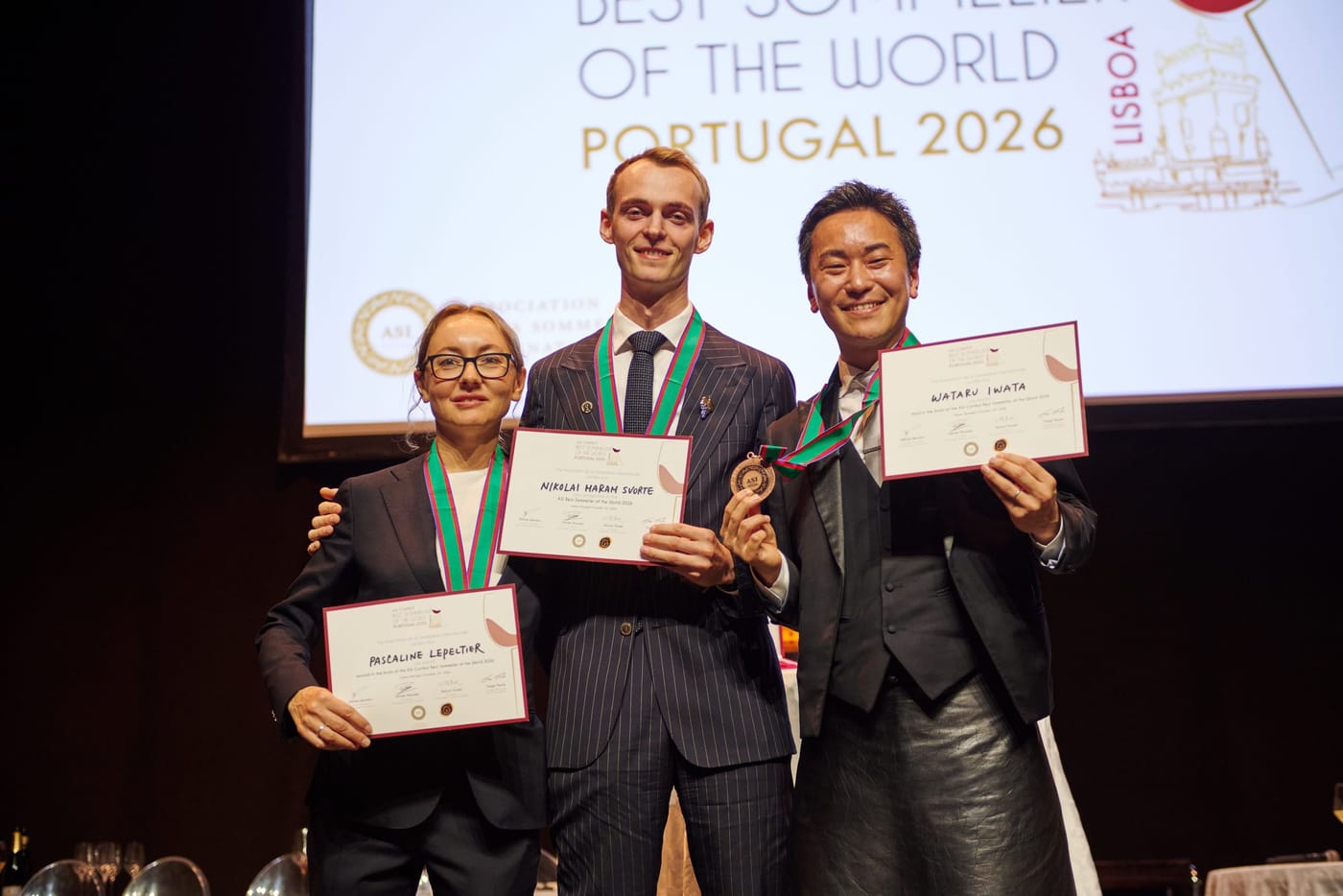
The World’s Best Sommelier Is Decided in 40 Minutes. Preparing Takes Years.
Nikolai Haram Svorte won the world sommelier title in Lisbon. The final lasted 40 minutes, but reaching it required years of study, tasting and service.
The new 390-gram bottle is not the lightest on the market. Its relevance lies in making lower-impact packaging available across an entire wine region. Alentejo has unveiled a 390-gram wine bottle developed for producers across the region. The bottle will reduce glass use, transport weight and packaging
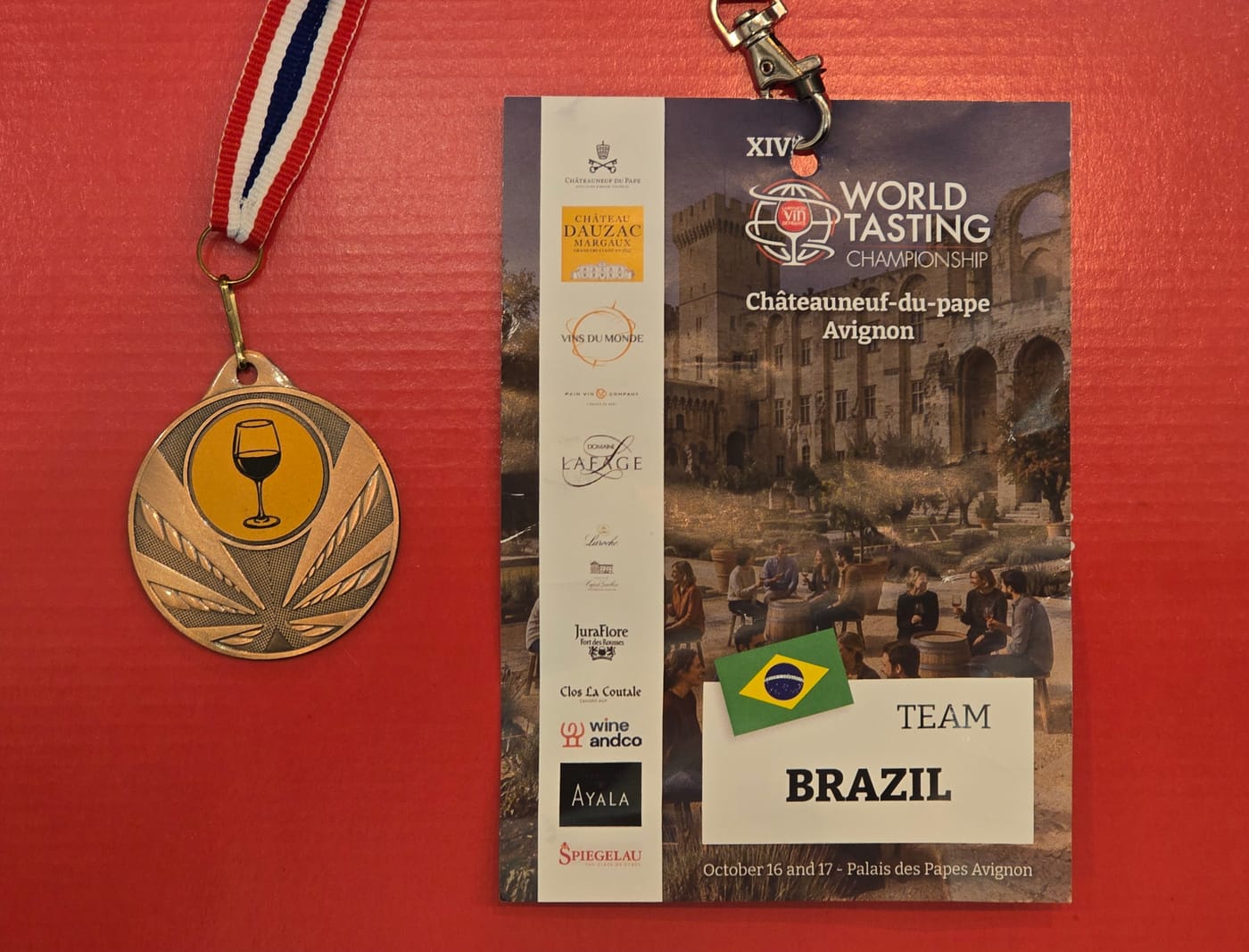
Brazil earned its first World Tasting Championship podium in Avignon, finishing third behind France and Japan after identifying 12 wines blind.
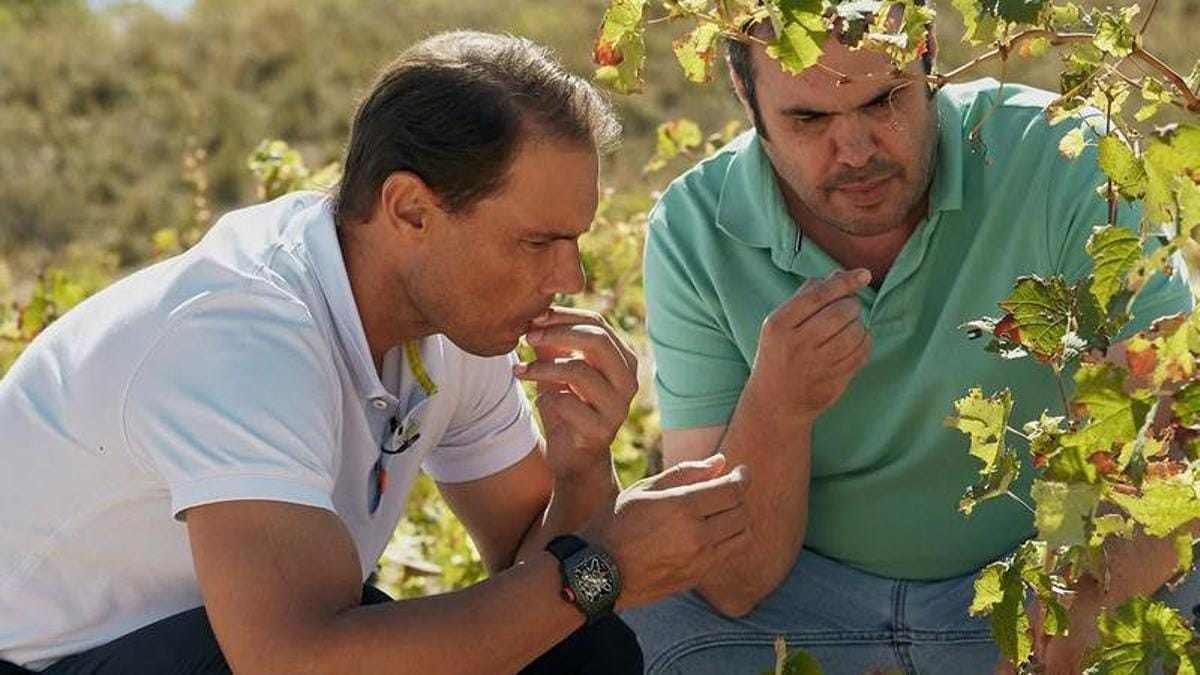
Rafa Nadal and Viñas Familia Gil have launched El Tenista, a €60 Jumilla red made from old, ungrafted Monastrell. Beyond the celebrity name, the project gives a threatened low-yielding vineyard a new economic purpose.
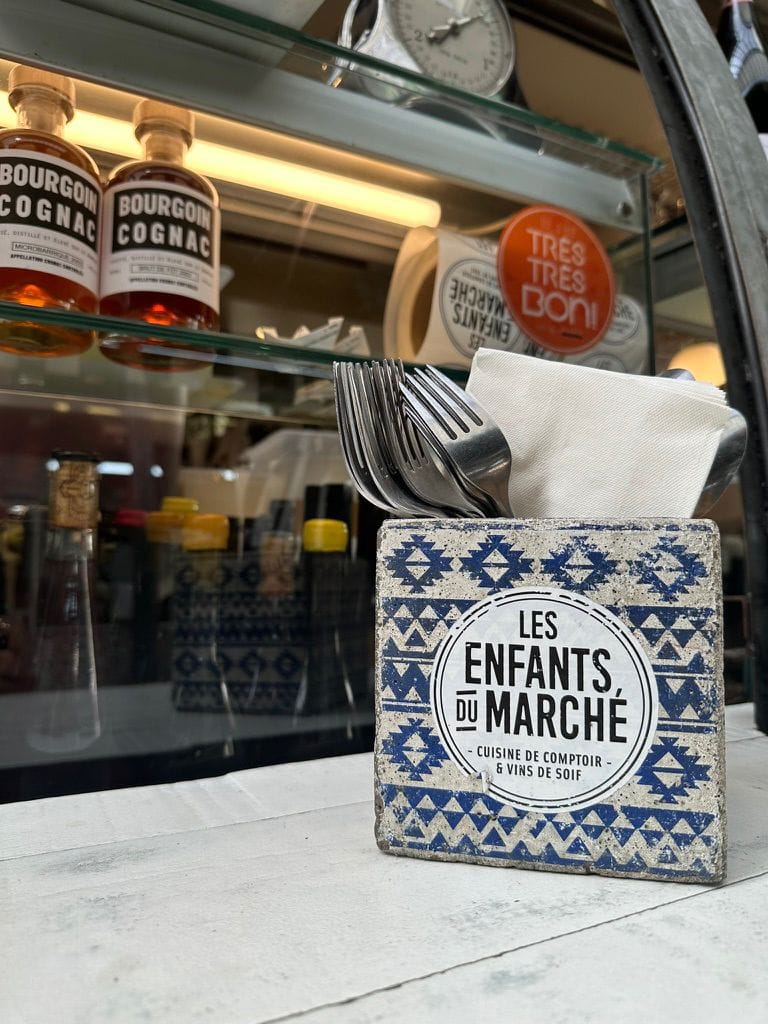
A fire has devastated the Marché des Enfants Rouges, destroying its stalls and displacing the independent merchants who gave Paris’s oldest covered market its modern life. Its history, wine culture and previous rescue offer reasons for hope, but the next chapter must preserve the people as carefully as the
Thirty thousand bottles worth €5 million were stolen from an Antinori warehouse in Tuscany. The operation reveals a growing vulnerability in fine wine: authentic bottles can retain their labels while losing the provenance that supports their value.
A French barn built in 1487 has been reconstructed above fifty-year-old vines on Seneca Lake. Behind the remarkable setting, a sixth-generation Champagne family is making a serious long-term commitment to the future of New York wine.
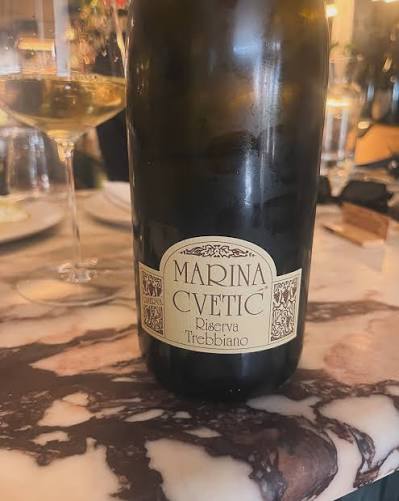
Italy’s appointment of Marina Cvetic as Cavaliere del Lavoro recognises more than the survival of a family winery. It reflects how Masciarelli helped change the position of Abruzzo and continued to grow after the sudden loss of its founder.
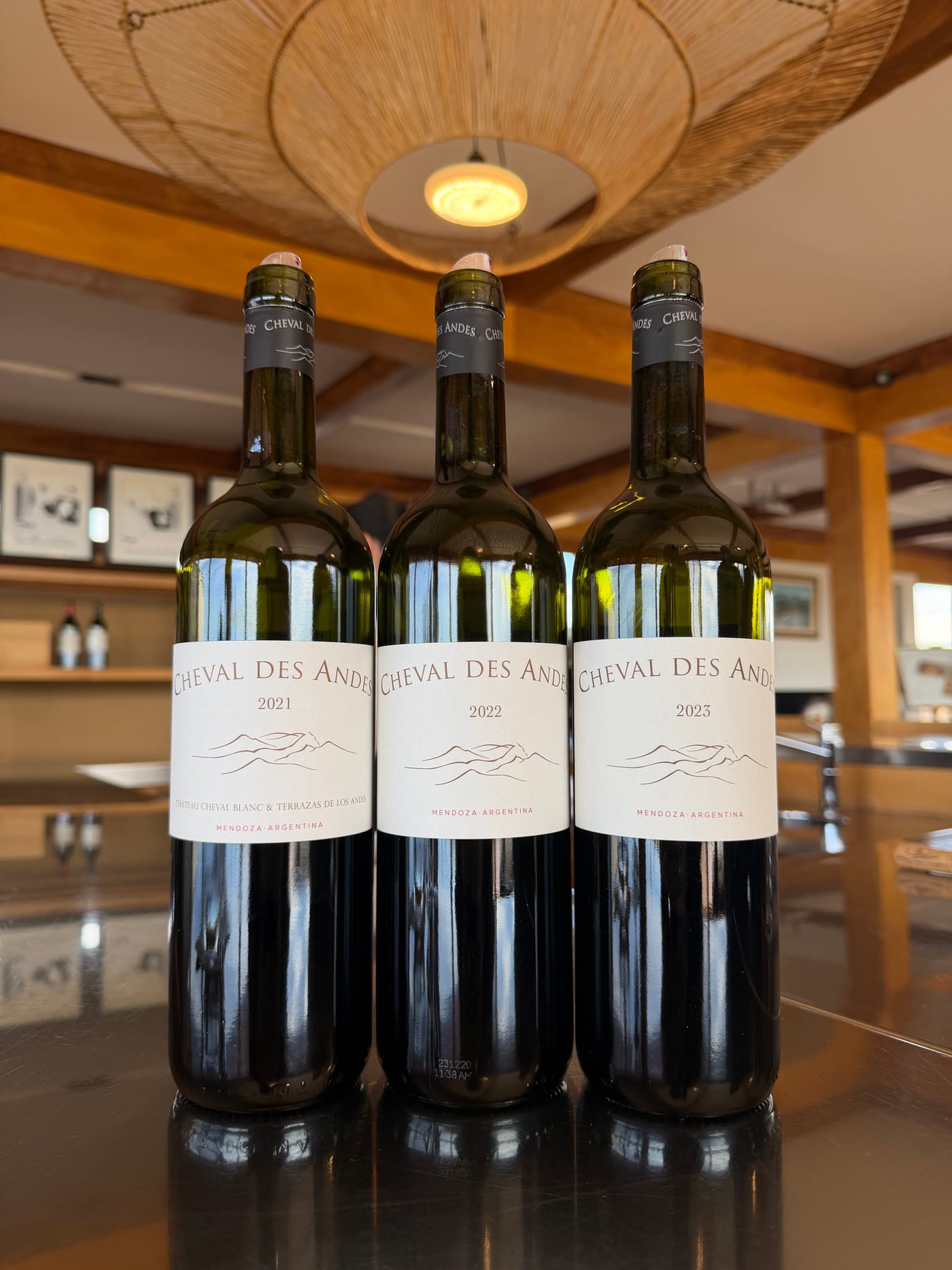
At Cheval des Andes, a young team, two Mendoza vineyards and a new winery are dedicated to a single wine. Our visit revealed how French discipline is being reinterpreted at the foot of the Andes, and why the 2021 vintage stood above the rest.
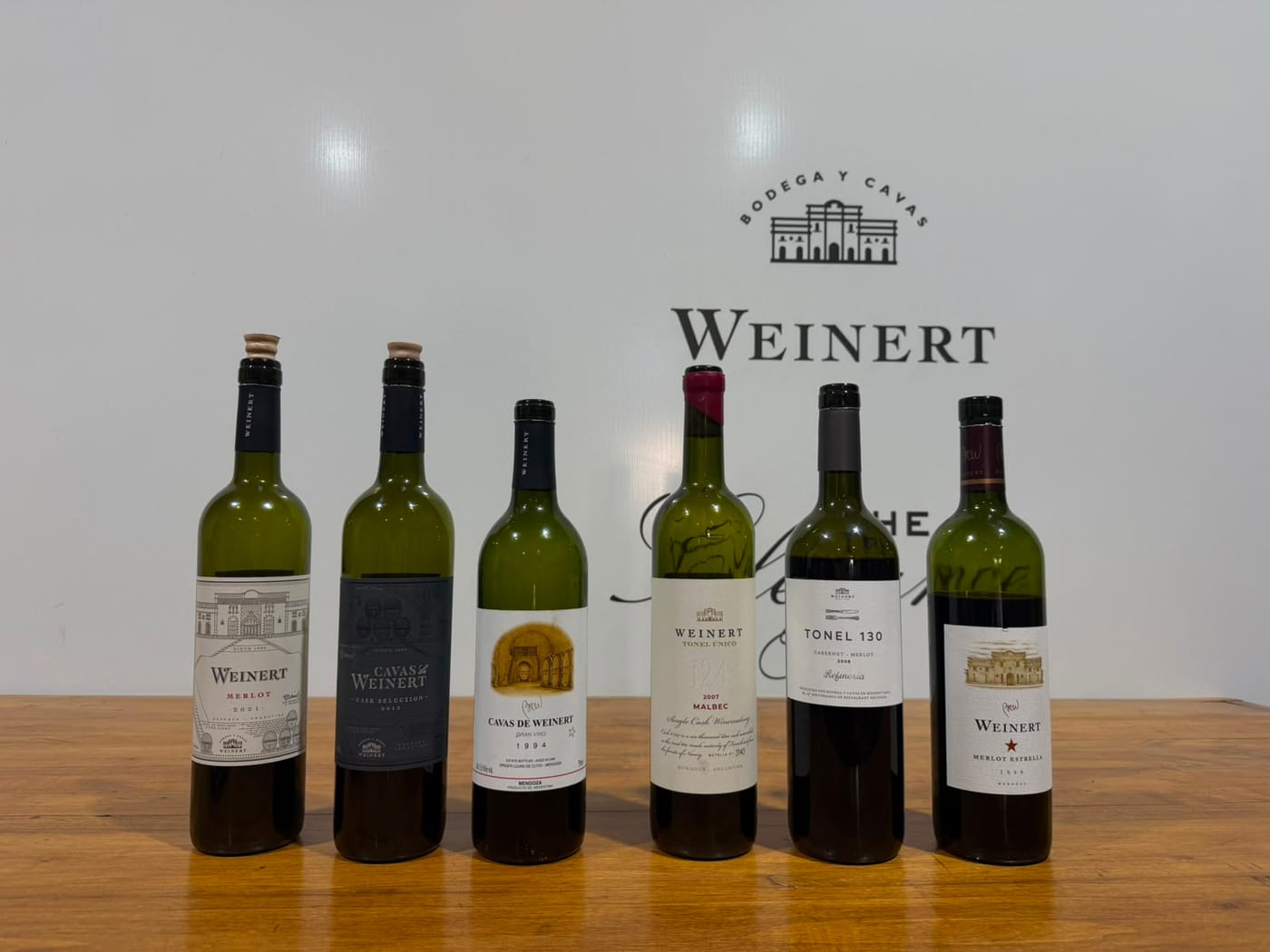
At Weinert, great wine begins long before the cellar. Three hours with Hubert revealed how the search for exceptional grapes, precise winemaking and patient ageing shape one of Argentina’s most distinctive wine houses.
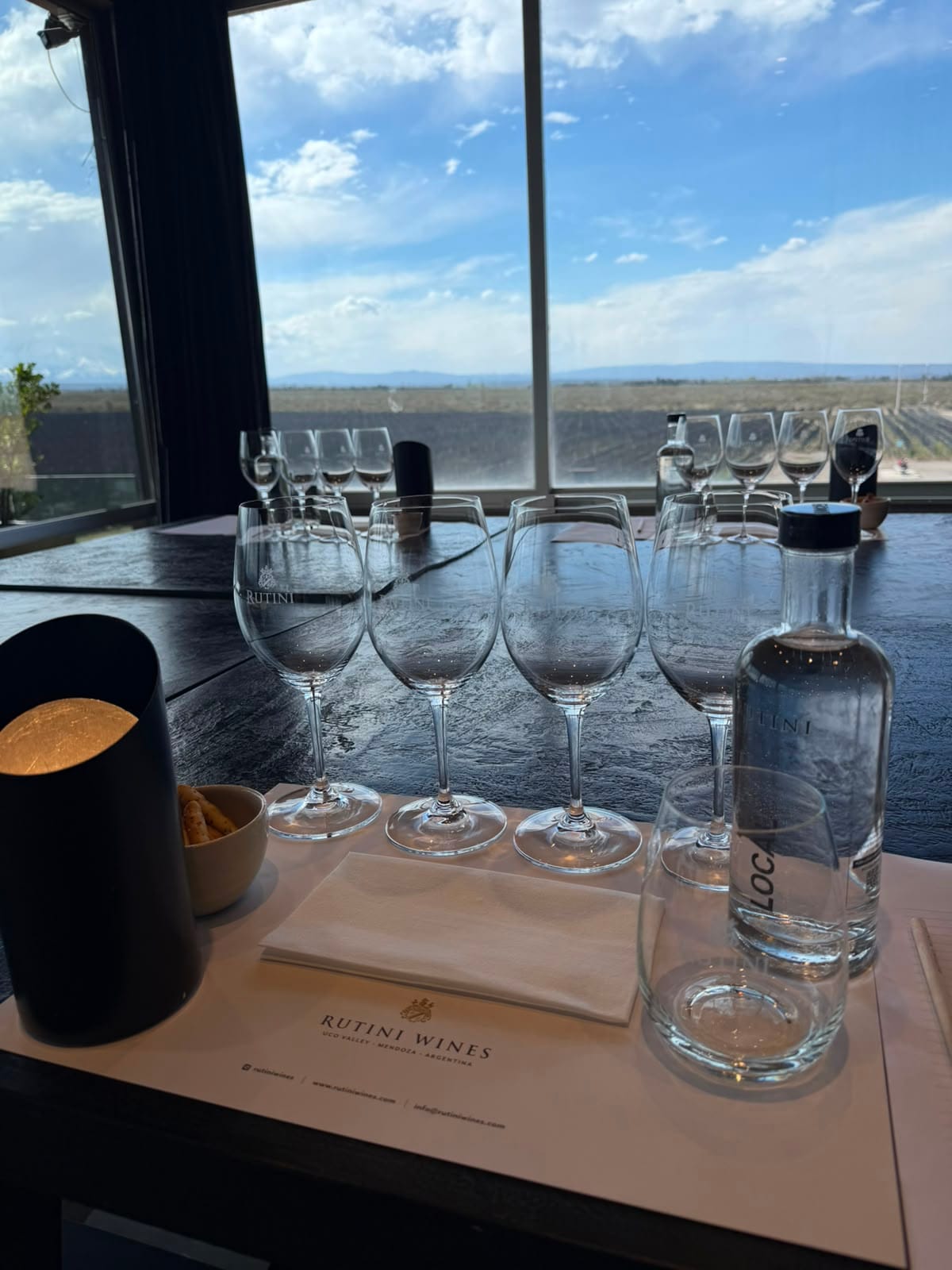
Inside Rutini’s Gualtallary winery, optical selection, meticulous cleaning, microvinification and 5,000 barrels reveal how one of Argentina’s historic producers pursues precision across more than ten million litres of wine.
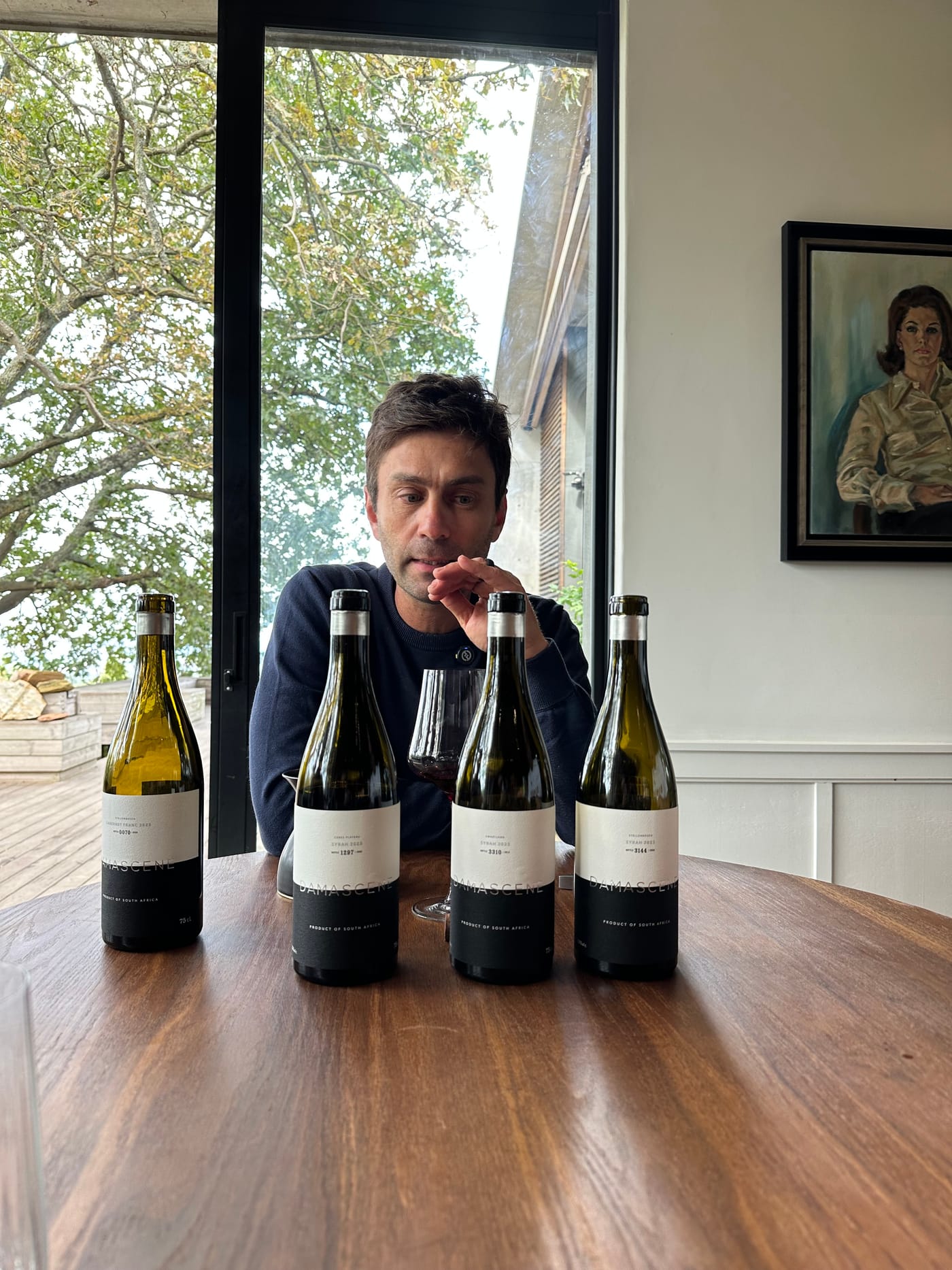
At Damascene in Elgin, Jean Smit uses gentle cellar methods to preserve the differences among Franschhoek Sémillon, Stellenbosch Cabernet Franc, regional Syrah and Moya Meaker Riesling across South Africa’s Western Cape.
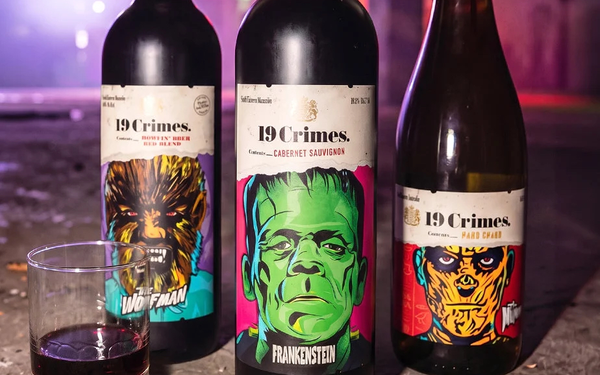
Seasonal labels can give consumers a new reason to notice wine. The packaging may earn the first look, but the liquid must earn the second bottle.
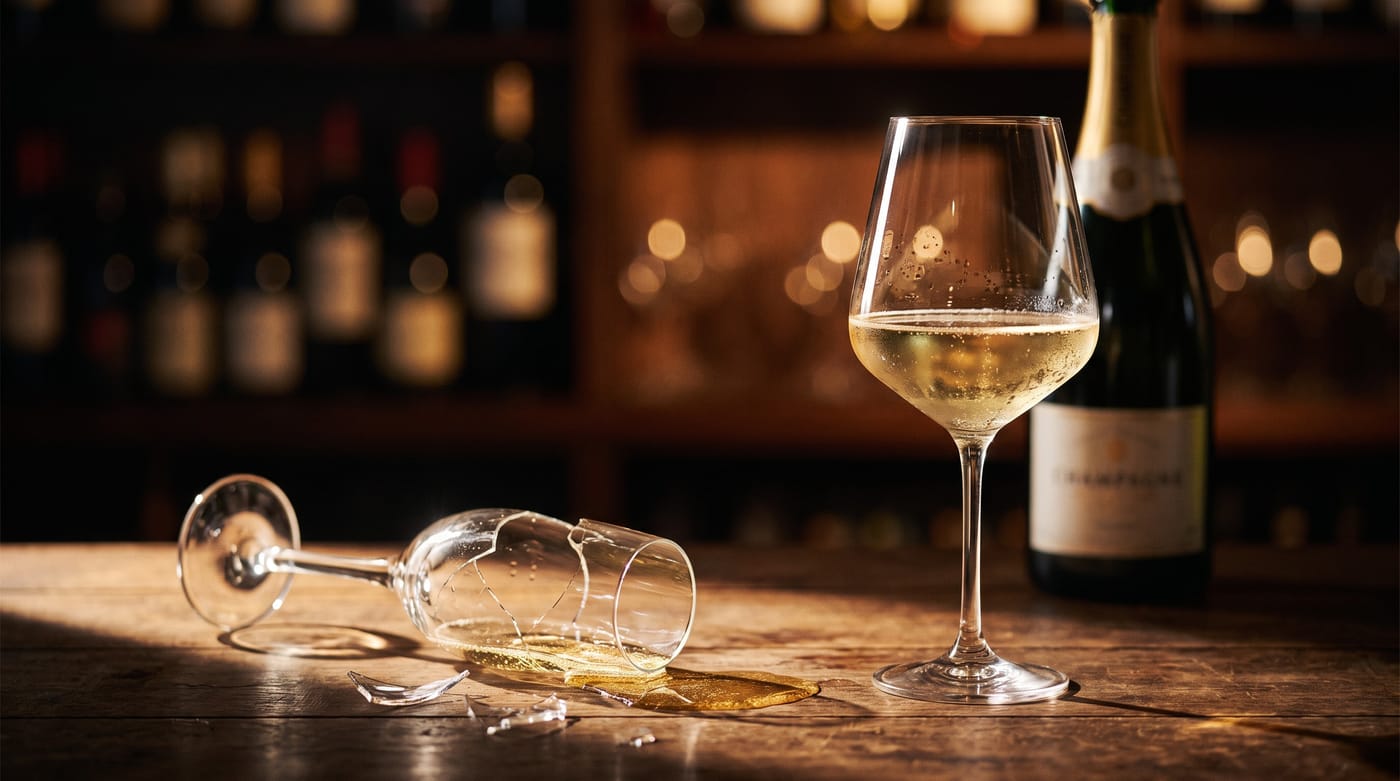
The flute helped turn Champagne into a symbol of celebration. It also became one of the greatest obstacles to tasting it properly.
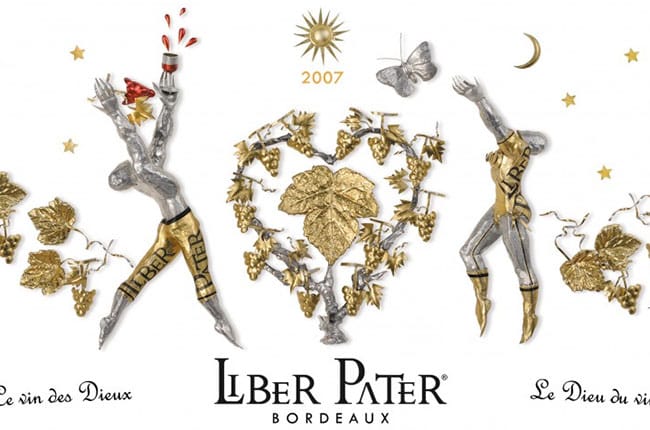
A 27-litre Liber Pater may fetch US$1.15 million, but the more important story is its attempt to recover the grapes, vines and taste of Bordeaux before phylloxera.
The World Travel Awards and The 50 Best Vineyards do not tell us where the world’s finest wines are made. Read correctly, they serve another purpose: guiding travellers toward wineries capable of turning wine, landscape and hospitality into a journey.
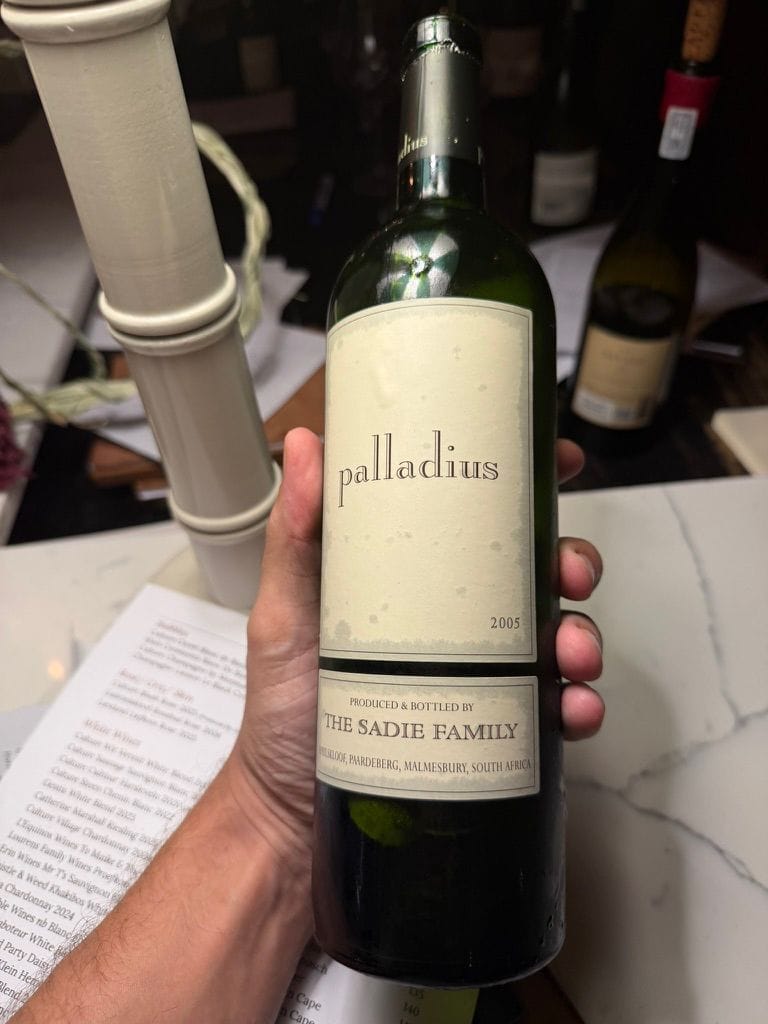
At Culture Wine Bar in Cape Town, a remarkably fresh Palladius 2005 took us back to the years when Sadie Family was beginning to change the course of South African wine.
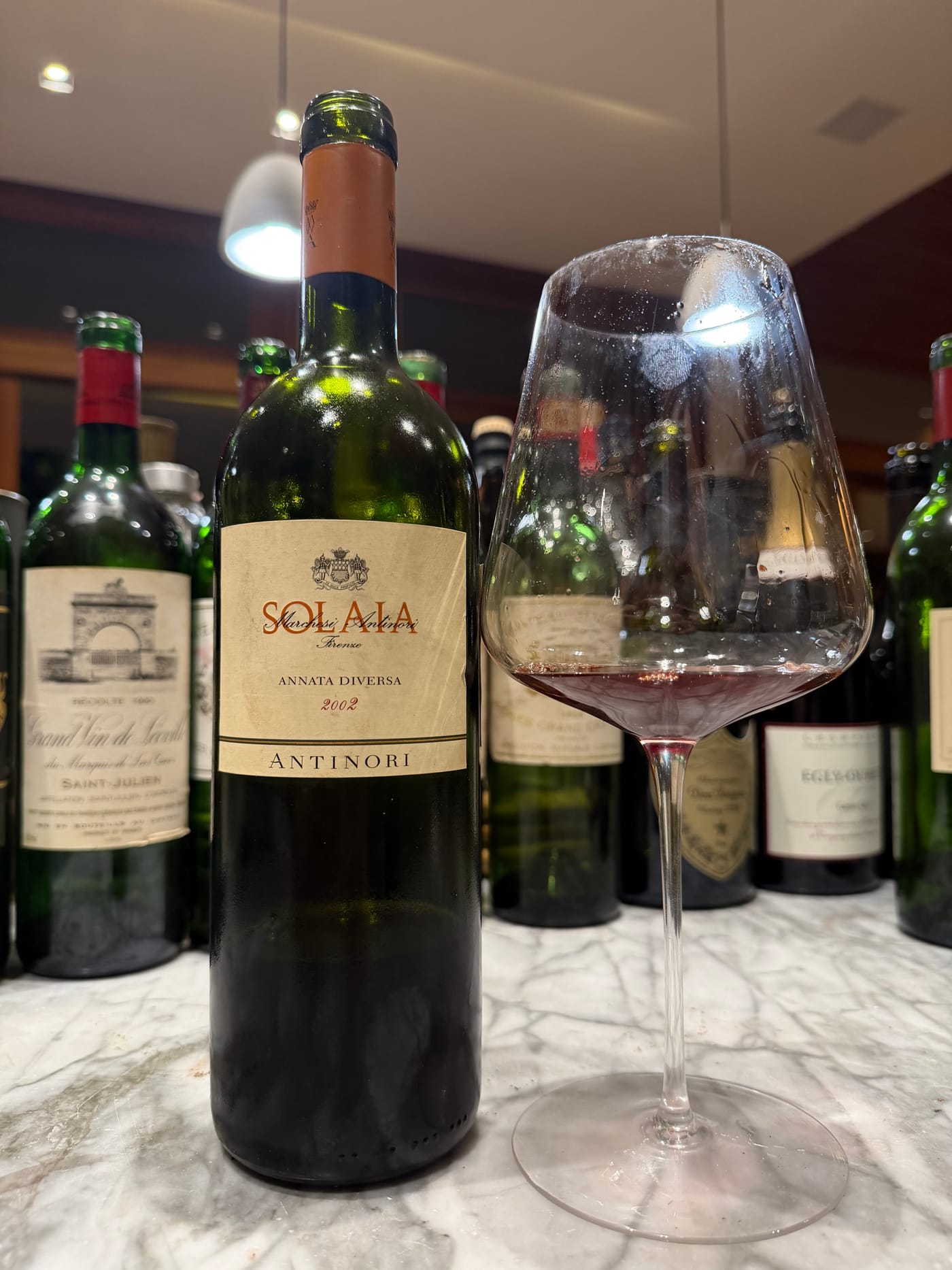
Solaia 2002 is the only vintage to carry the words Annata Diversa, after a difficult Tuscan season removed Sangiovese from the blend. More than two decades later, the wine was alive, elegant and finely textured, with the composure of mature Bordeaux and an identity entirely its own.
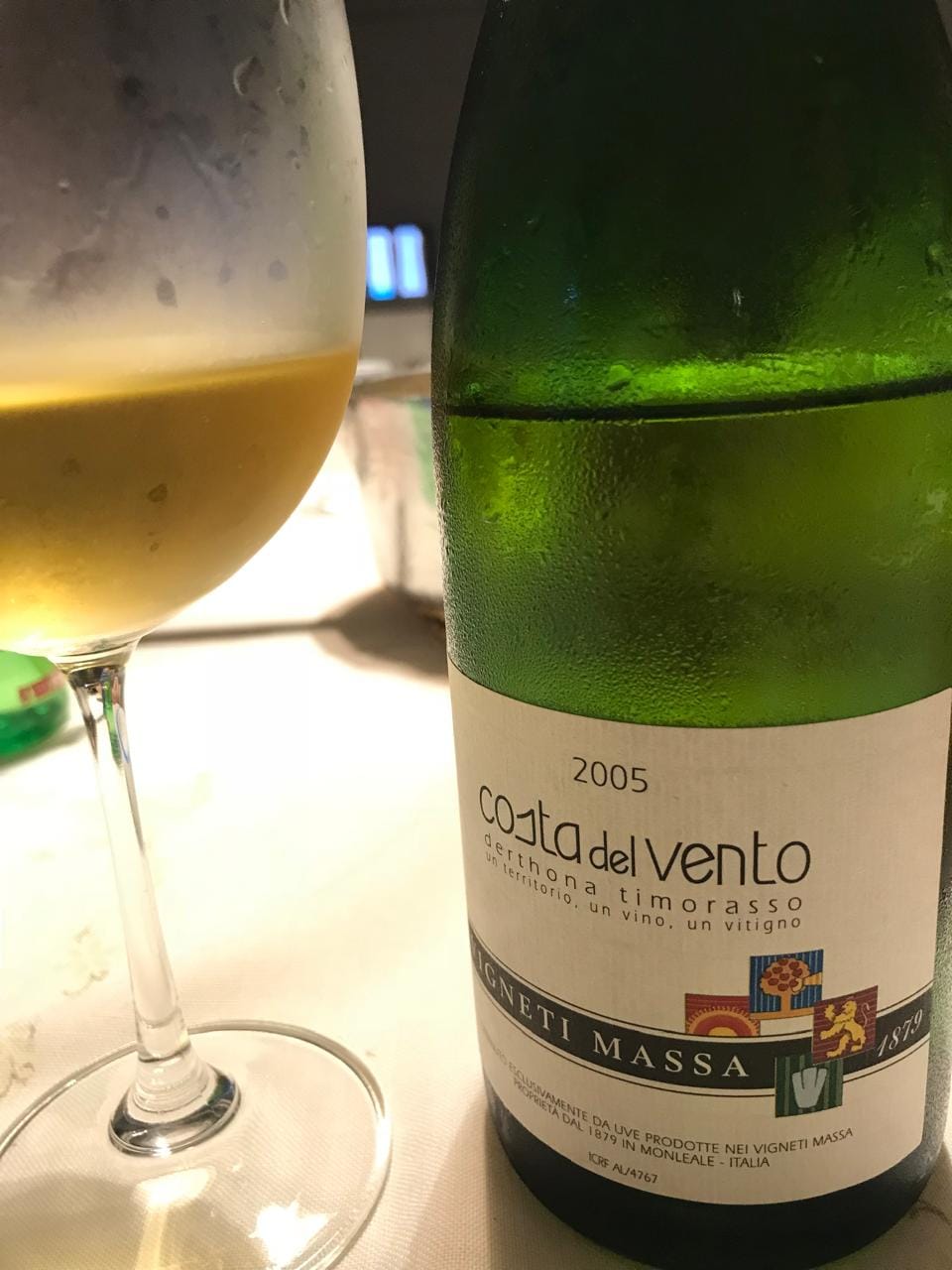
Vigneti Massa’s Costa del Vento 2005 had the texture and maturity of a great age-worthy white. It also came from the moment when Walter Massa had already proved the potential of Timorasso, while official recognition was still catching up.
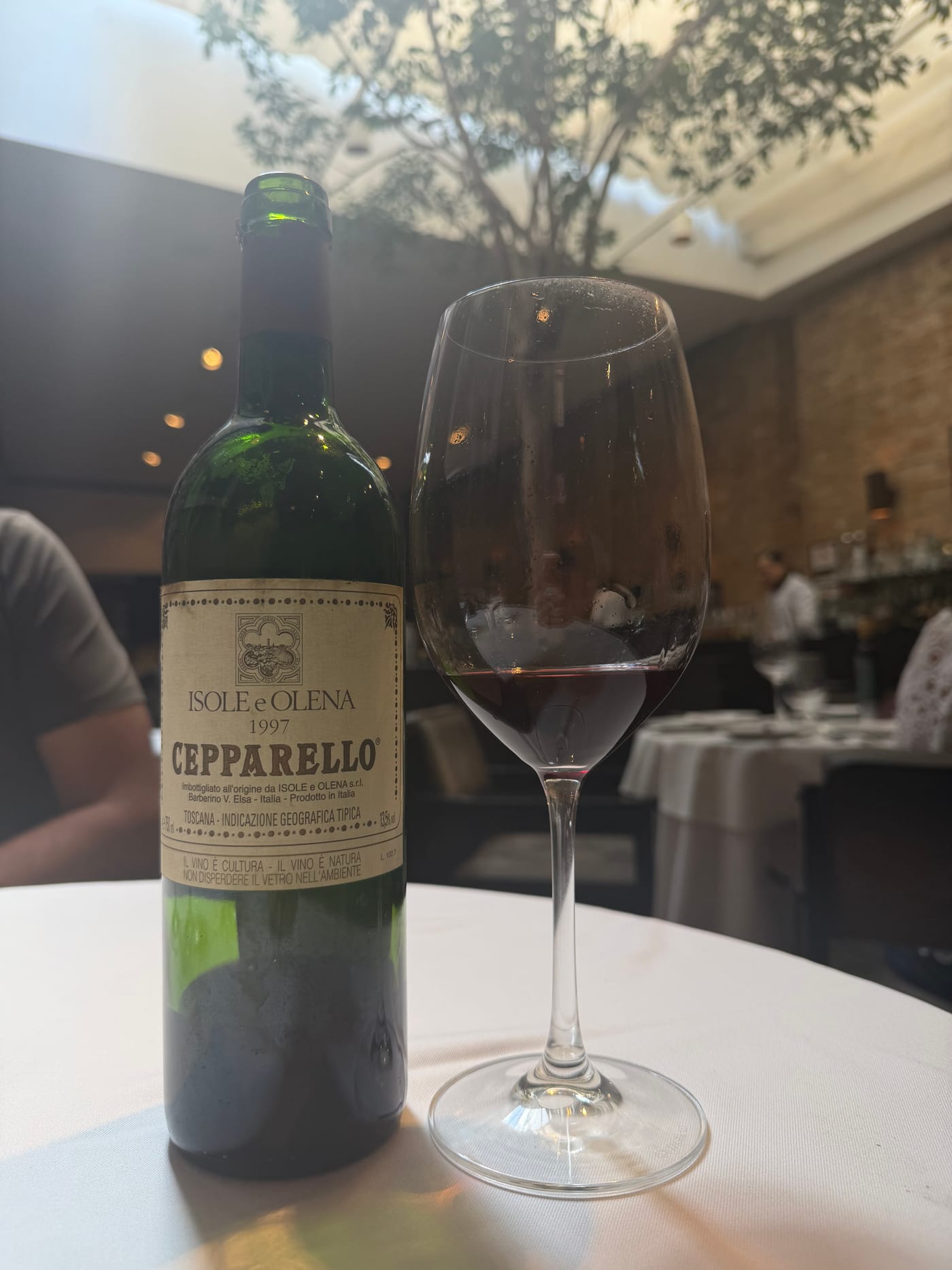
Nearly thirty years after harvest, Cepparello 1997 remained centred on fresh cherry, fine texture and precise acidity. The pure Sangiovese that once stood outside the rules of Chianti Classico had matured into proof of why those rules needed to change.
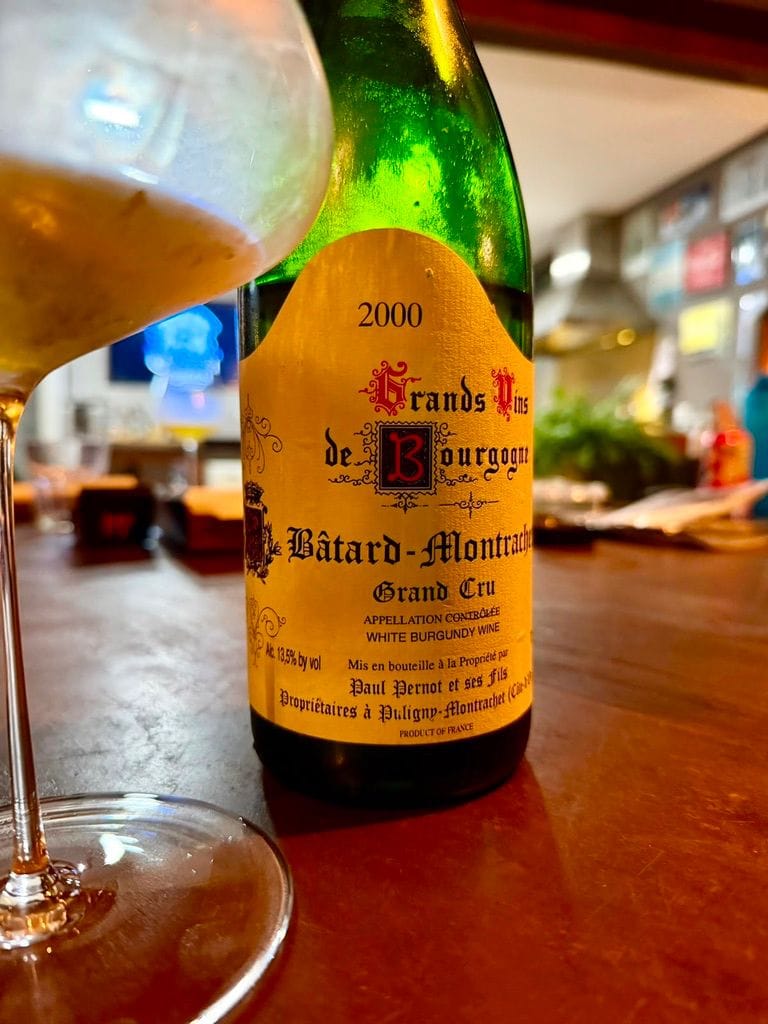
At twenty-six, Paul Pernot’s 2000 Bâtard-Montrachet retained fruit, acidity and mineral definition alongside mature notes of honey and marzipan. It had the expected power of the grand cru, but carried it with control and proportion.
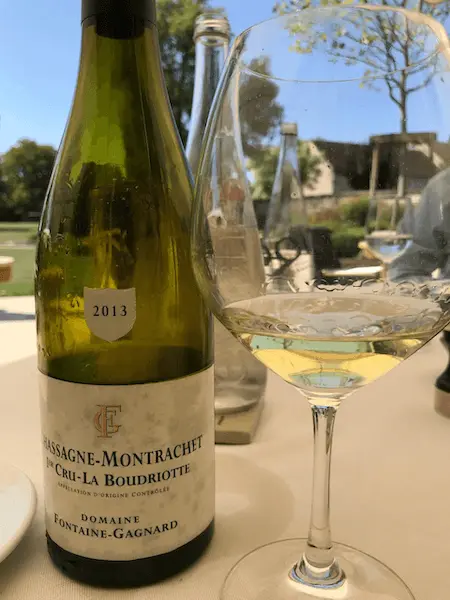
At an unhurried lunch in Puligny-Montrachet, Fontaine-Gagnard La Boudriotte 2013 moved between density, delicacy and precision. The bottle reveals the history of a small Chassagne-Montrachet Premier Cru, vines planted between 1945 and 1987 and a family domaine carrying knowledge across generations.
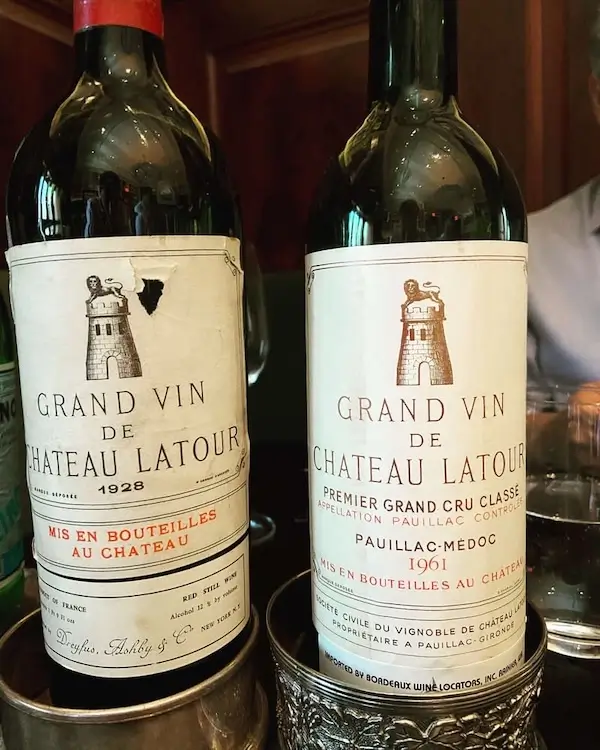
Château Latour 1928 and 1961 reveal two paths of ageing in Pauillac. One reached delicacy; the other retained remarkable structure. Together, they show how Cabernet Sauvignon and a great Bordeaux terroir can evolve for decades without losing identity.
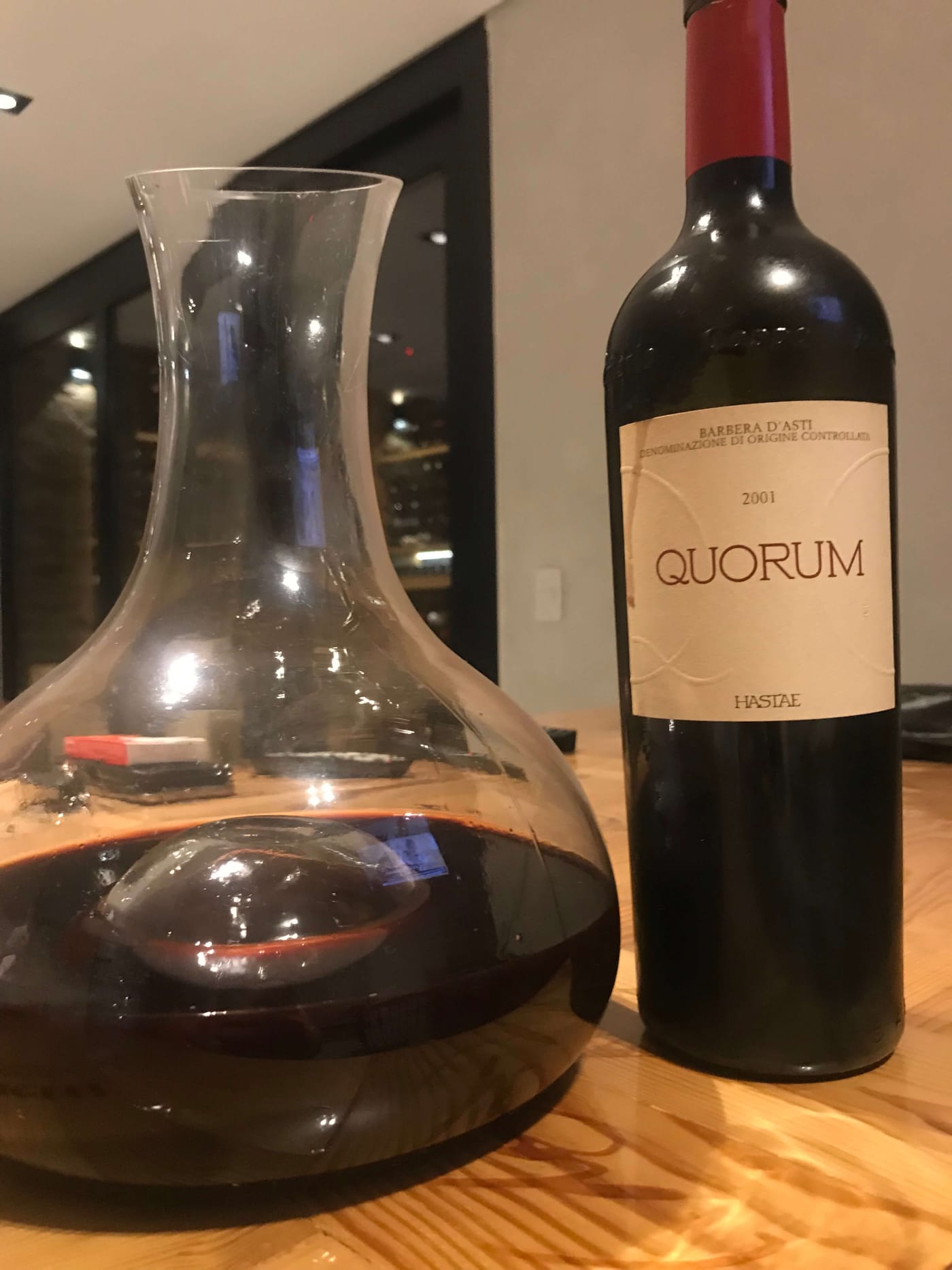
Quorum 2001 is a rare Barbera d’Asti created by Hastae, uniting Braida, Michele Chiarlo, Coppo, Prunotto, Vietti and Berta. More than two decades later, the bottle preserves a vanished collaboration and a decisive moment in Piedmont wine history.
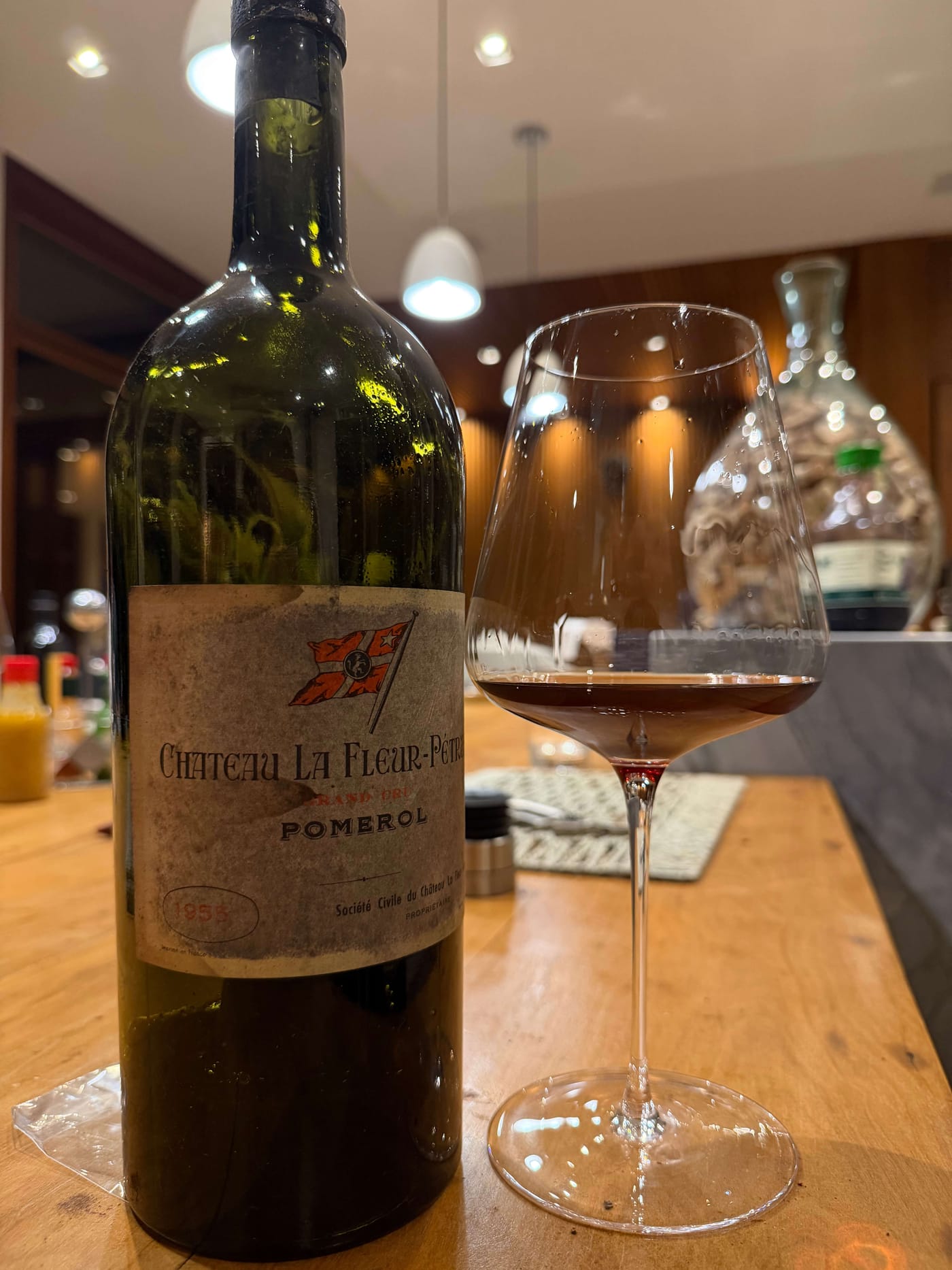
La Fleur-Pétrus 1955 preserves more than age. The final vintage before the 1956 frost devastated Pomerol connects the first chapter of Jean-Pierre Moueix with a vineyard landscape that disappeared, turning one surviving bottle into a record of place.
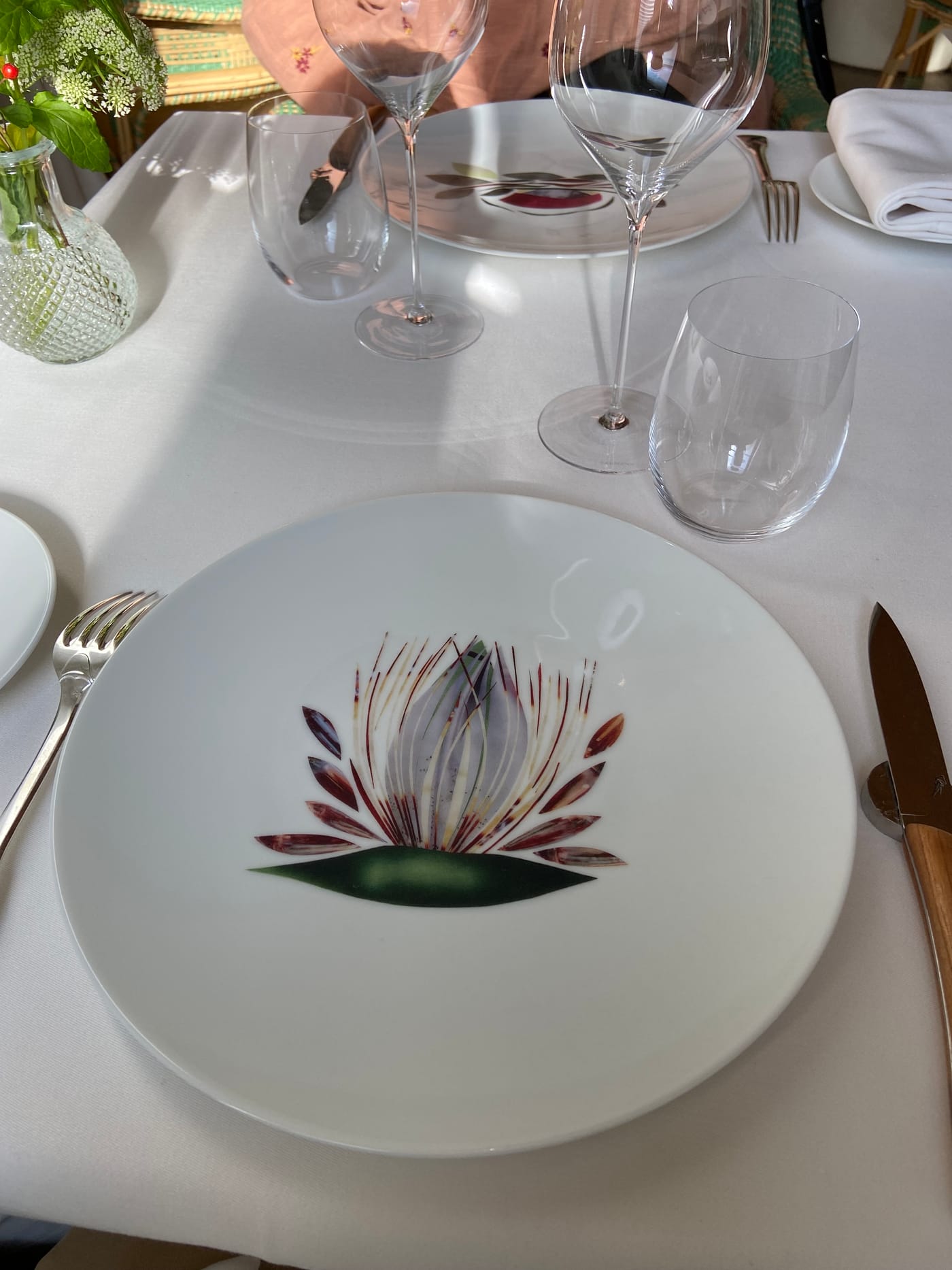
At Azafrán in Mendoza, the table sits inside the cellar, and wine gives rhythm to a nine-course journey through contemporary Argentine cooking.
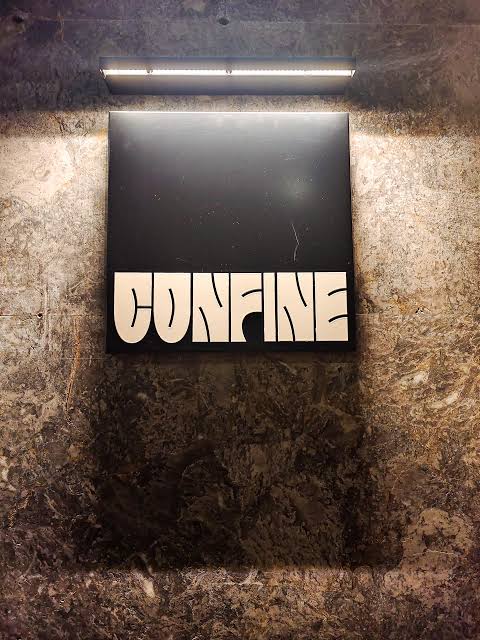
At Confine in Milan, changing forms of dough, pure flavours, precise wine service and a joyful team turn pizza into a complete restaurant experience without taking away its informality.
At Arpège, Alain Passard lets the garden determine the ingredients and time shape the experience. Across four hours, vegetables, precise service and restrained presentation reveal a cuisine built on clarity of flavour rather than spectacle.
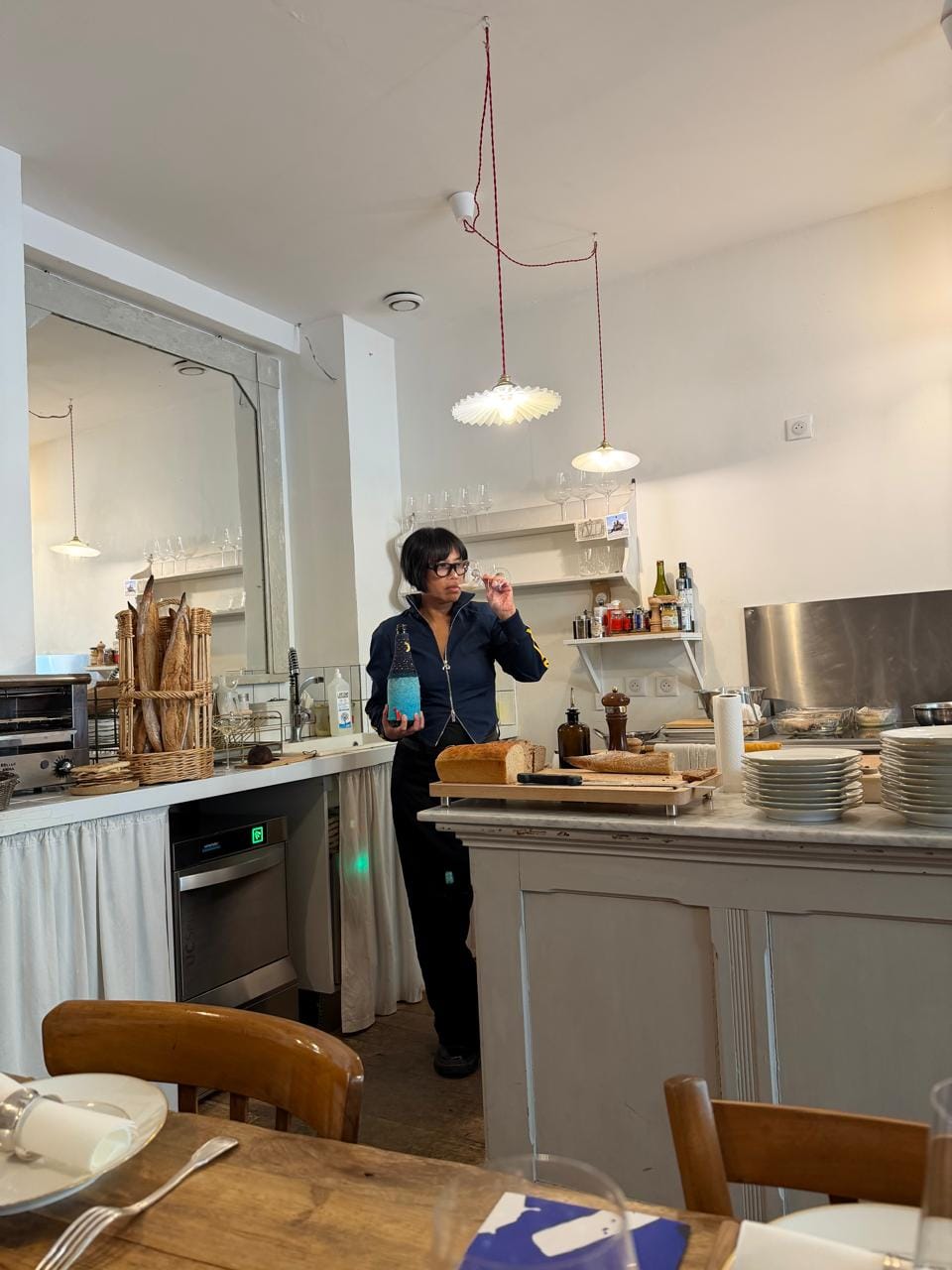
ATOME distils fifteen years of Aline and Éric Serva’s relationships with artisans and growers into an intimate Reims table. Direct cooking, independent producers, music and close hospitality reveal Champagne through proximity rather than spectacle.
Members Only — subscribe to read.
Every article should deserve to exist.
Read our editorial position →Wine news reported with the context most coverage skips: what happened, who it affects, and what it changes.
→ 02Observations from the road and the vineyard — what a writer sees between the appointments, closer to the ground.
→ 03Essays and editorial points of view. Where the journal argues — signed, unsponsored, and open to disagreement.
→ 04History, provenance and memory. Older bottles and what they still tell us long after their makers are gone.
→ 05Restaurants, places and hospitality. The lists worth travelling for and the rooms where wine is poured.
→ 06Every wine we rate on our own 01–05 scale, awarded by our tasters — never averaged, never licensed.
→One letter a week. No spam, no advertising.
Independent wine journalism, no advertising.
Subscribe