Rafa Nadal Enters Wine with El Tenista
Rafa Nadal and Viñas Familia Gil have launched El Tenista, a €60 Jumilla red made from old, ungrafted Monastrell. Beyond the celebrity name, the project gives a threatened low-yielding vineyard a new economic purpose.
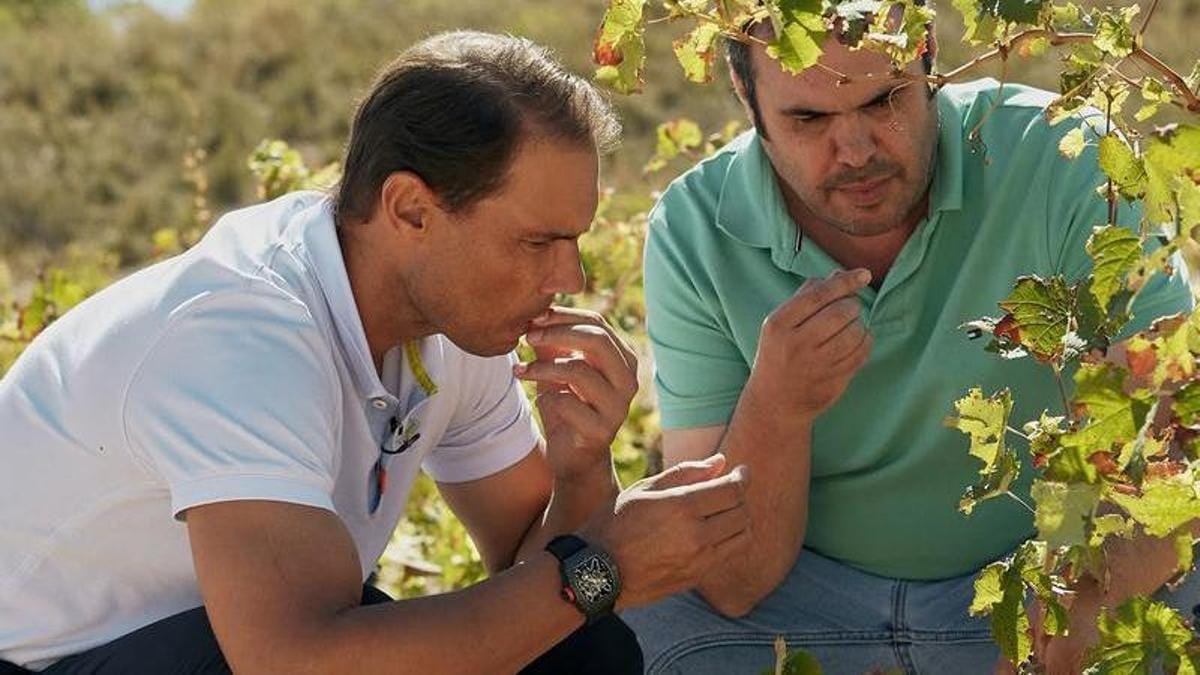
Rafa Nadal and Viñas Familia Gil have created a €60 Jumilla red from old, ungrafted Monastrell. The celebrity name will attract attention, but the project is also giving a threatened vineyard a new economic purpose.
Rafa Nadal has entered the wine world through a collaboration with Viñas Familia Gil, the family producer founded in Jumilla in 1916.
Their first wine is called El Tenista. It is also the inaugural release from Dominio del Liftado, a new project created around an old Monastrell vineyard that was approaching abandonment.
What happened
Nadal and Familia Gil announced the partnership after working on the project for an undisclosed period. Nadal described the wine as the result of a shared ambition and said he had been learning from the family throughout its development.
The relationship is presented as one that began through friendship. The project’s identity connects the patience and sustained work required by an old vineyard with values commonly associated with Nadal’s tennis career.
El Tenista is already available through selected Spanish retailers at approximately €60 per bottle.
The collaboration does not mean Nadal has acquired a winery or become a winemaker. No ownership structure, investment figure or production volume has been disclosed. Viñas Familia Gil produces the wine, while Bartolomé Abellán is identified as the winemaker.
The wine
El Tenista is a certified organic red made entirely from ungrafted Monastrell under the Jumilla denomination.
The vineyard is located in Término de Arriba at approximately 750 metres. Its vines are more than 50 years old and grow on poor limestone soils. Yields are limited to around 700 grams of grapes per plant, and harvesting takes place by hand during the third week of October.
The wine ferments in small vats and remains in contact with the skins for ten days before vertical pressing. Malolactic fermentation and approximately 18 months of ageing take place in new French oak. The finished wine has 15% alcohol.
These are the producer’s technical details. An independent judgment on the wine’s quality, balance and use of oak will require tasting it.
Why the vineyard matters
Monastrell is the defining grape of Jumilla. The region’s dry climate, limestone soils and high levels of sunlight have allowed old vineyards to survive under demanding conditions, including parcels planted on their own roots.
Their survival is not guaranteed. Old vines produce less fruit and require more work, making them increasingly difficult to maintain when grape prices do not cover the cost of farming them.
Dominio del Liftado says the vineyard used for El Tenista was moving towards abandonment. Turning its fruit into a limited wine sold at a premium gives those vines a stronger economic reason to remain in production.
This is also why the choice of Jumilla is relevant. Nadal could have attached his name to a generic Spanish wine or created a product through a licensing agreement. Instead, the collaboration begins with a defined vineyard, an established local producer and the region’s principal variety.
What remains unknown
The partners have not explained how ownership is divided, how closely Nadal participated in decisions concerning the vineyard or wine, or how many bottles were produced.
It is also unclear whether El Tenista will remain the only wine from Dominio del Liftado or become the beginning of a broader portfolio.
For now, the project should be understood as a collaboration between Nadal and Familia Gil, not as a winery owned or technically managed by the former tennis player.
TCJ View
Celebrity wines are easy to launch and difficult to sustain. A famous name can create immediate demand, but it cannot replace the quality and identity needed to support the wine once the initial attention fades.
El Tenista starts with more substance than a simple endorsement. It is attached to an old, ungrafted Monastrell vineyard, a family with more than a century in Jumilla and a clear agricultural problem: how to keep low-yielding vines economically viable.
Nadal gives the project international reach. That could introduce new consumers to Jumilla and place greater value on a vineyard that might otherwise have disappeared.
The next judgment belongs to the wine. If El Tenista justifies its price and communicates the character of its origin, Nadal’s involvement may help preserve more than a name. It may help preserve the vineyard beneath it.
Selected Sources
- Dominio del Liftado, official project history and El Tenista technical information
https://gilfamily.es/dominio-del-liftado/dominio-liftado-es.html
https://gilfamily.es/dominio-del-liftado/vinos.html - Rafael Nadal, announcement of the collaboration with Familia Gil
https://www.linkedin.com/posts/rafanadal_hay-proyectos-que-te-hacen-especial-ilusi%C3%B3n-activity-7516044190552866816-x-MU - Murcia Today, “Rafa Nadal puts his name to the fine wine of Jumilla,” October 14, 2026
https://murciatoday.com/rafa_nadal_puts_his_name_to_the_fine_wine_of_jumilla_1000275495-a.html

The Best Winery Visit Is Not Necessarily About the Best Wine
The World Travel Awards and The 50 Best Vineyards do not tell us where the world’s finest wines are made. Read correctly, they serve another purpose: guiding travellers toward wineries capable of turning wine, landscape and hospitality into a journey.
After the Fire, Paris Must Rebuild More Than a Market
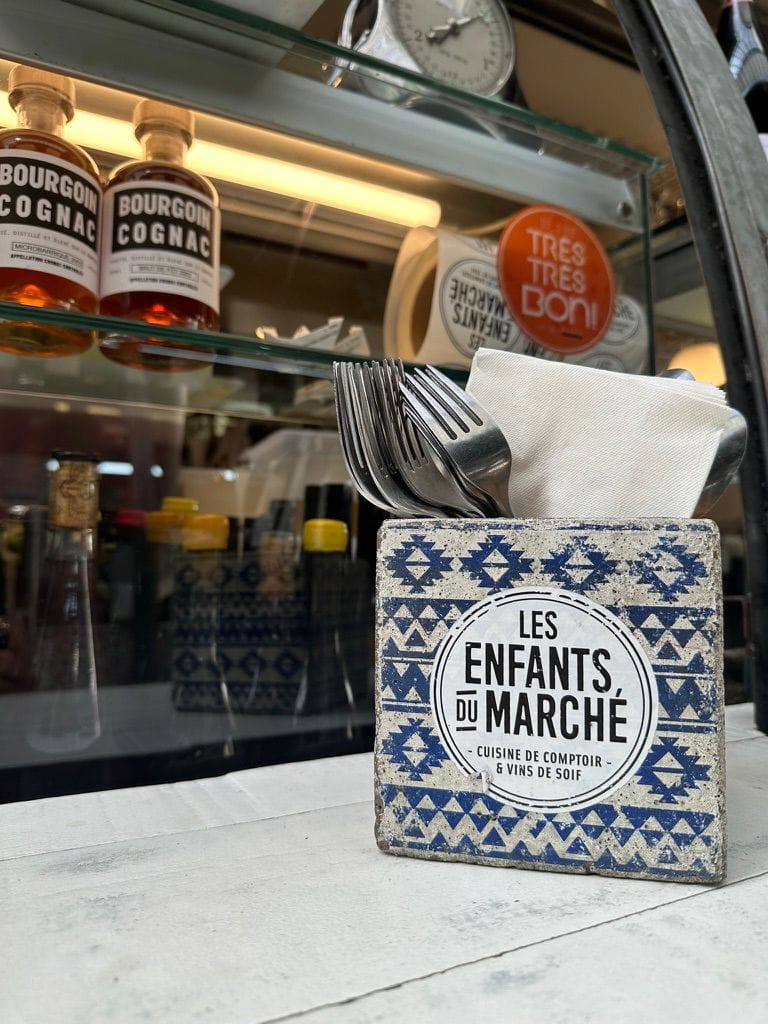
A fire has devastated the Marché des Enfants Rouges, destroying its stalls and displacing the independent merchants who gave Paris’s oldest covered market its modern life. Its history, wine culture and previous rescue offer reasons for hope, but the next chapter must preserve the people as carefully as the
WINE TASTING The Essential Guide
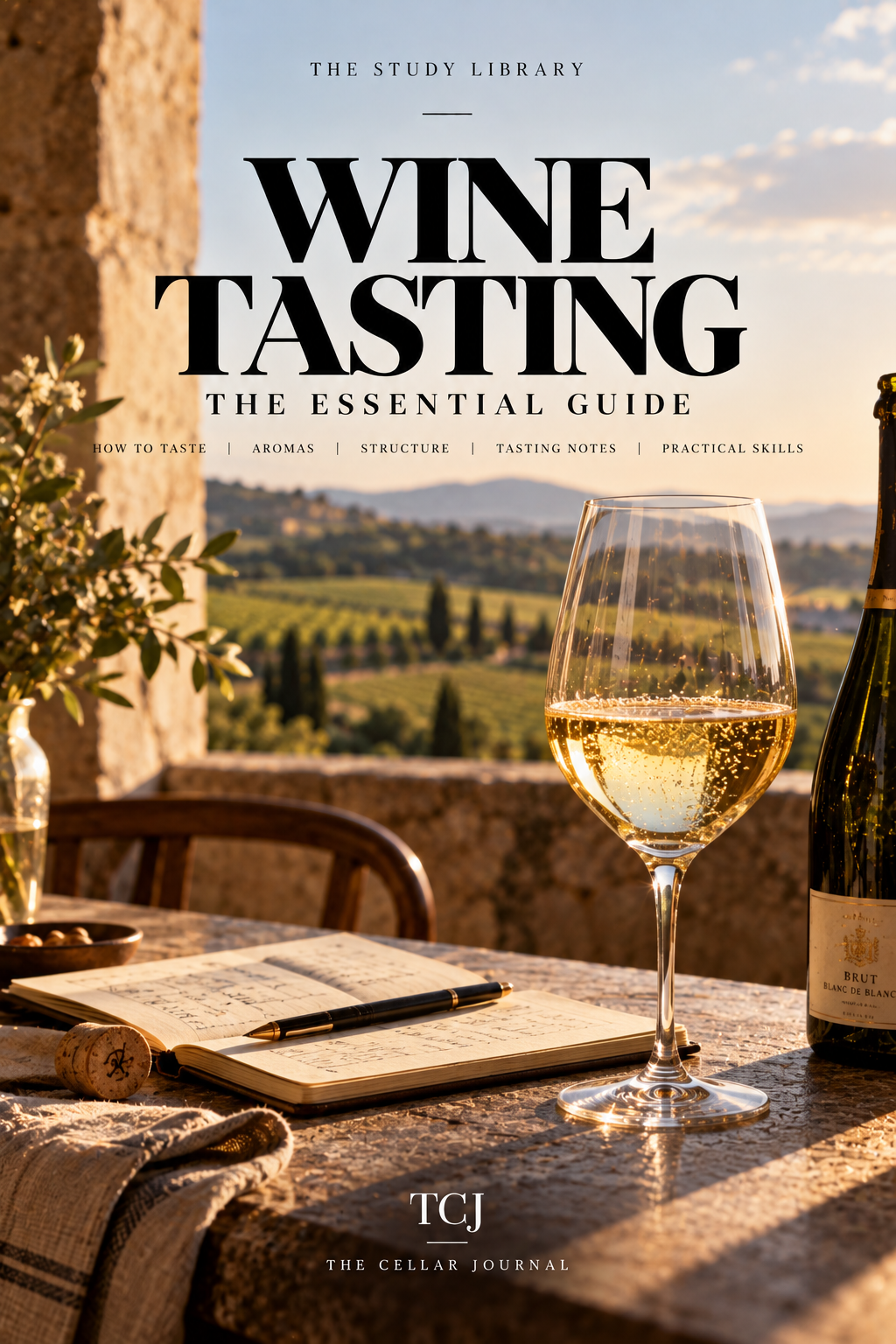
The Study Library · The Cellar Journal Wine tasting can look far more complicated than it really is. A professional puts their nose into a glass and starts talking about blackcurrants, violets, graphite, leather or wet stones, while someone listening may reasonably wonder whether all of those things are actually there,