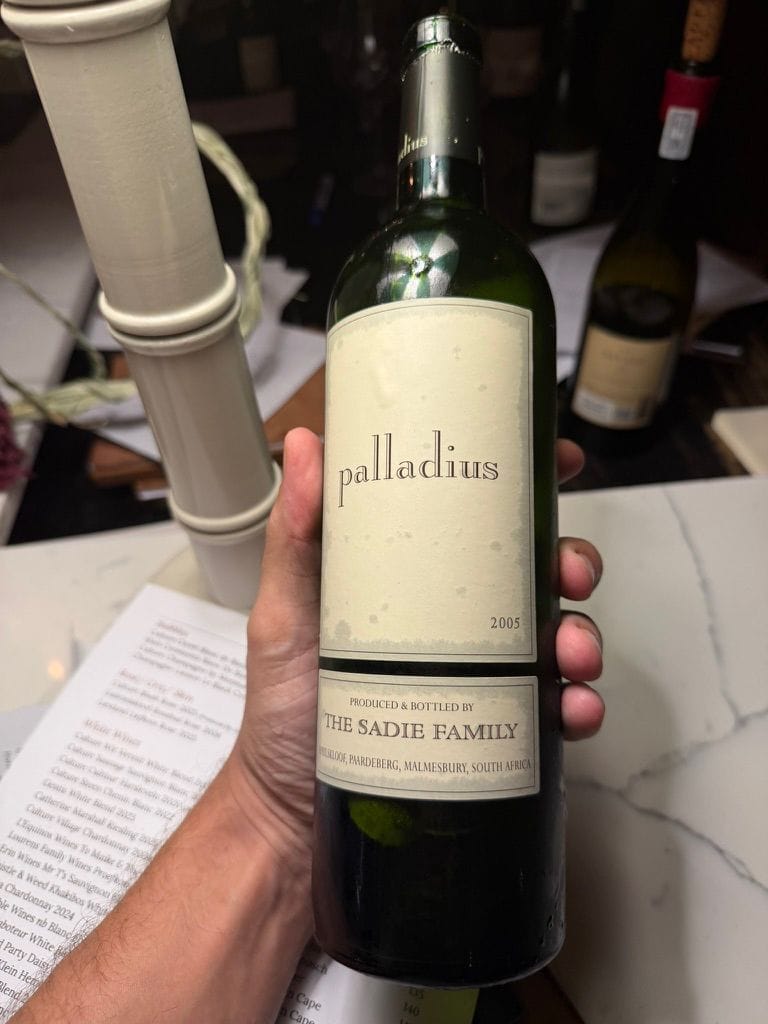
Palladius 2005: Before Swartland Became a Movement
At Culture Wine Bar in Cape Town, a remarkably fresh Palladius 2005 took us back to the years when Sadie Family was beginning to change the course of South African wine.
History, provenance and memory. Older bottles and the stories they carry: a vintage that defined a decade, an estate that changed hands three times, a wine that tastes of a year nobody living remembers well. From the Cellar treats age as evidence rather than decoration, and asks what a bottle can still tell us long after the people who made it have gone.
At Culture Wine Bar in Cape Town, a remarkably fresh Palladius 2005 took us back to the years when Sadie Family was beginning to change the course of South African wine.
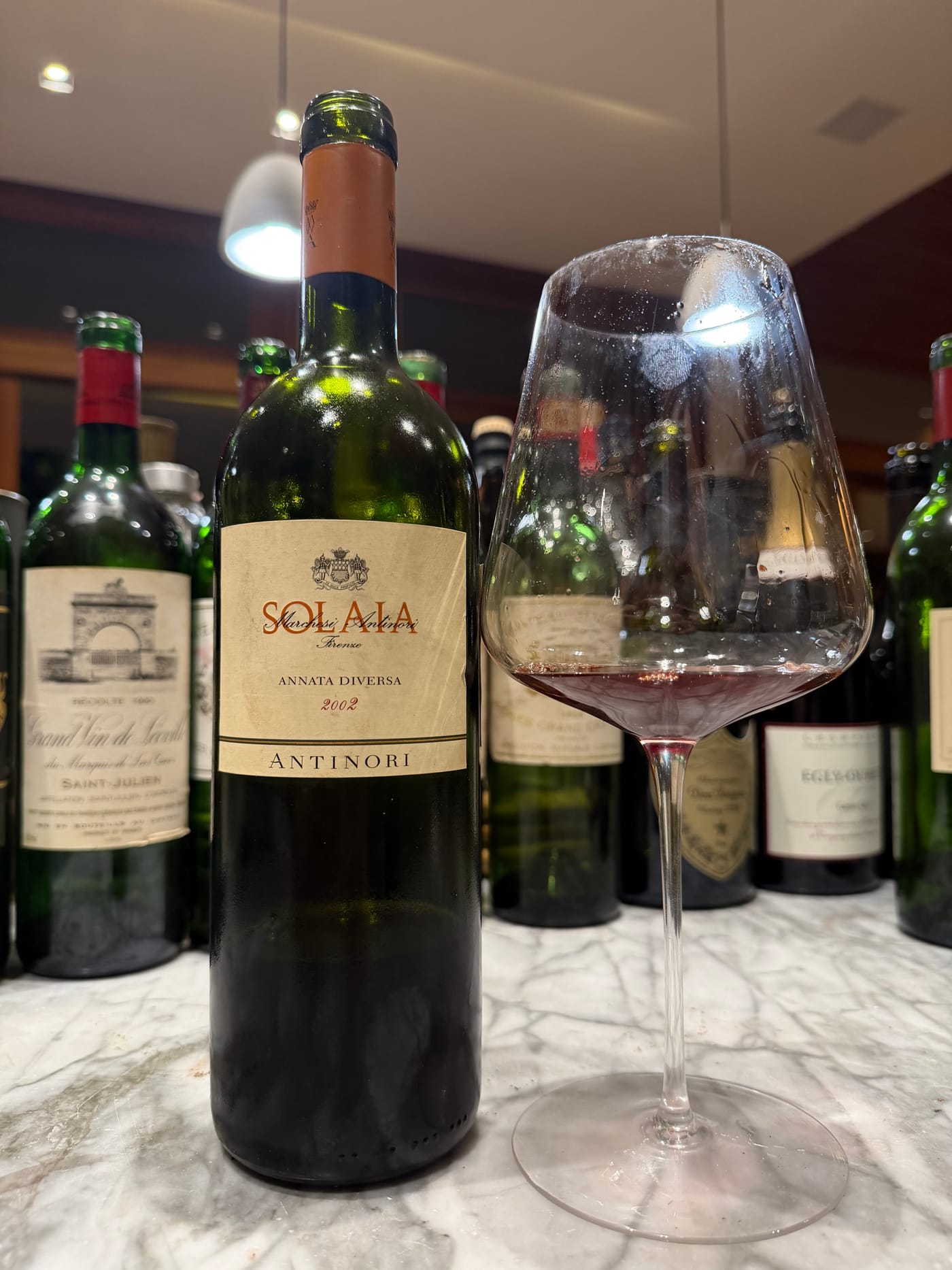
Solaia 2002 is the only vintage to carry the words Annata Diversa, after a difficult Tuscan season removed Sangiovese from the blend. More than two decades later, the wine was alive, elegant and finely textured, with the composure of mature Bordeaux and an identity entirely its own.
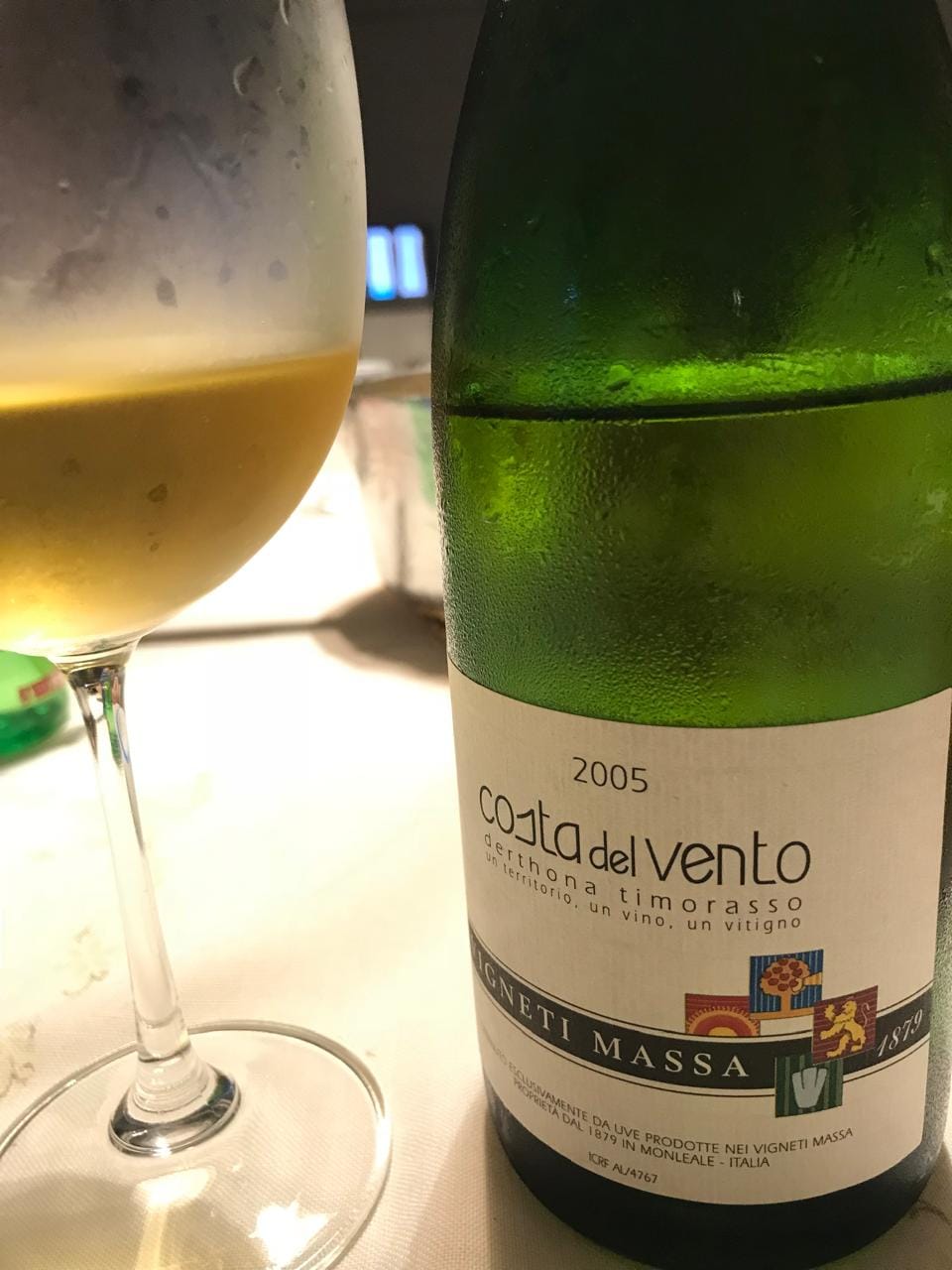
Vigneti Massa’s Costa del Vento 2005 had the texture and maturity of a great age-worthy white. It also came from the moment when Walter Massa had already proved the potential of Timorasso, while official recognition was still catching up.
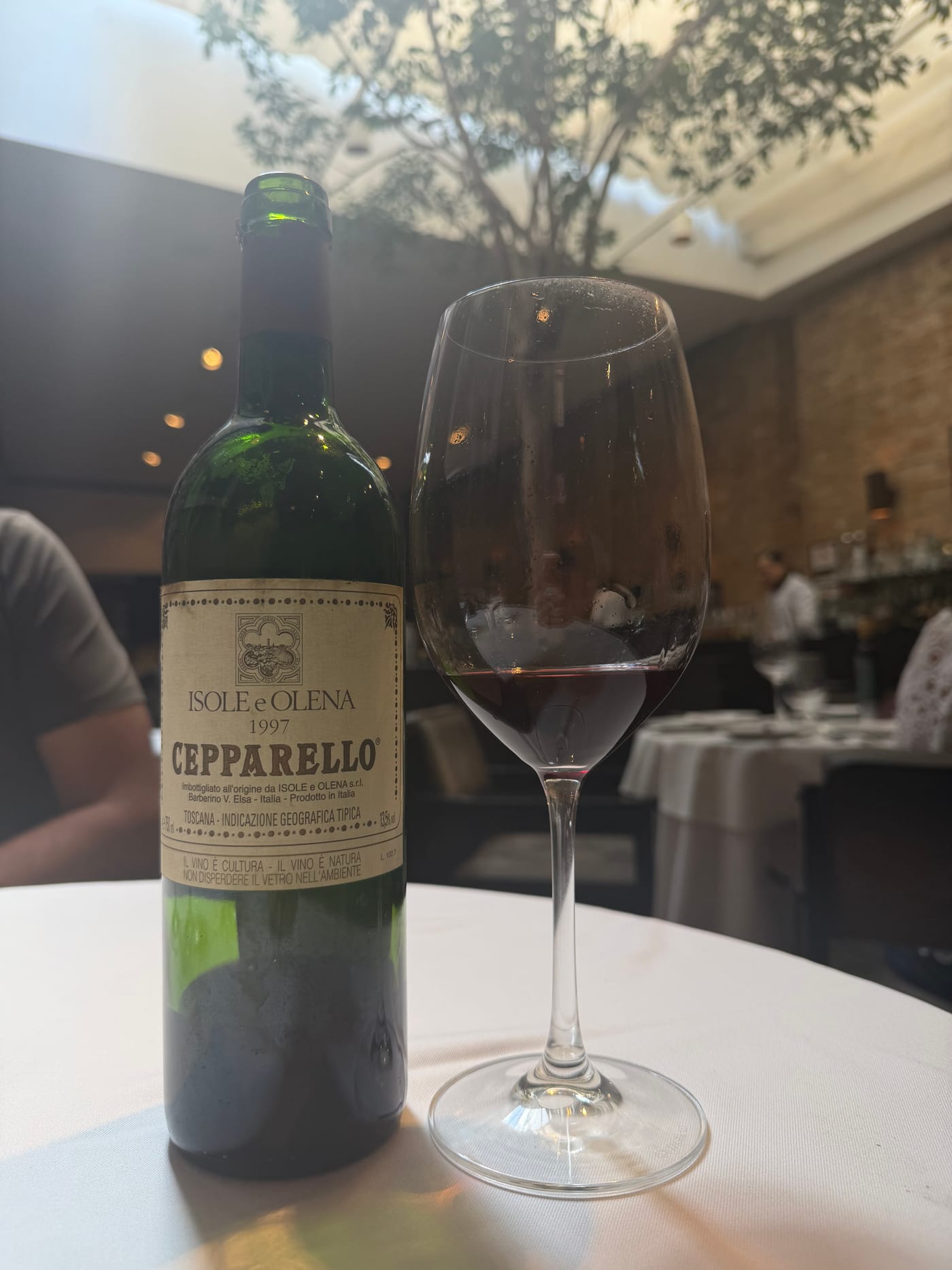
Nearly thirty years after harvest, Cepparello 1997 remained centred on fresh cherry, fine texture and precise acidity. The pure Sangiovese that once stood outside the rules of Chianti Classico had matured into proof of why those rules needed to change.
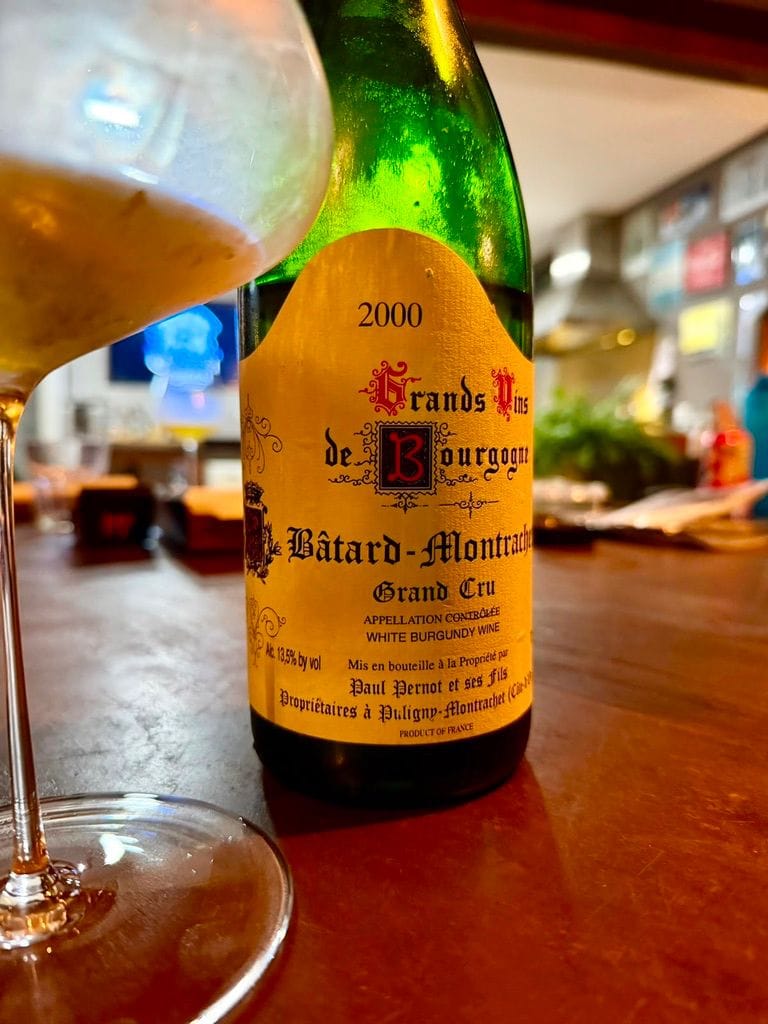
At twenty-six, Paul Pernot’s 2000 Bâtard-Montrachet retained fruit, acidity and mineral definition alongside mature notes of honey and marzipan. It had the expected power of the grand cru, but carried it with control and proportion.
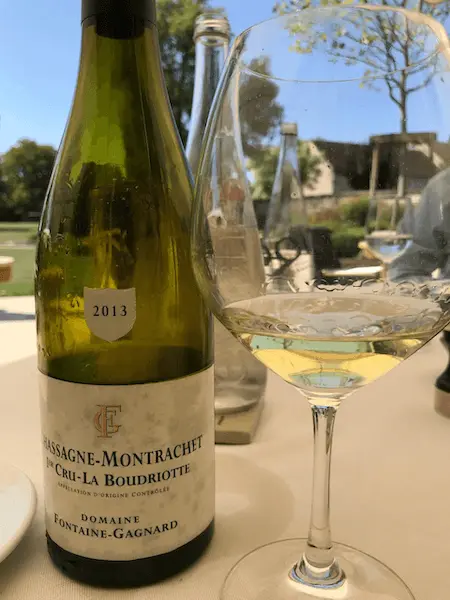
At an unhurried lunch in Puligny-Montrachet, Fontaine-Gagnard La Boudriotte 2013 moved between density, delicacy and precision. The bottle reveals the history of a small Chassagne-Montrachet Premier Cru, vines planted between 1945 and 1987 and a family domaine carrying knowledge across generations.
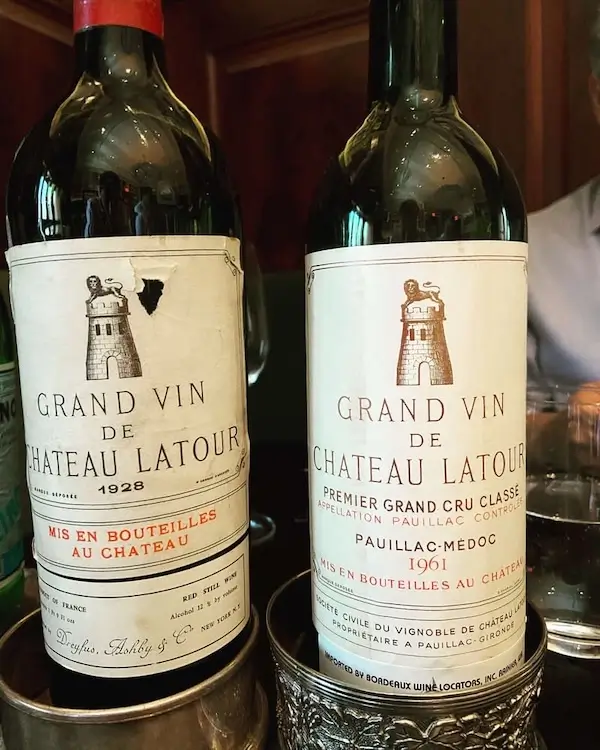
Château Latour 1928 and 1961 reveal two paths of ageing in Pauillac. One reached delicacy; the other retained remarkable structure. Together, they show how Cabernet Sauvignon and a great Bordeaux terroir can evolve for decades without losing identity.
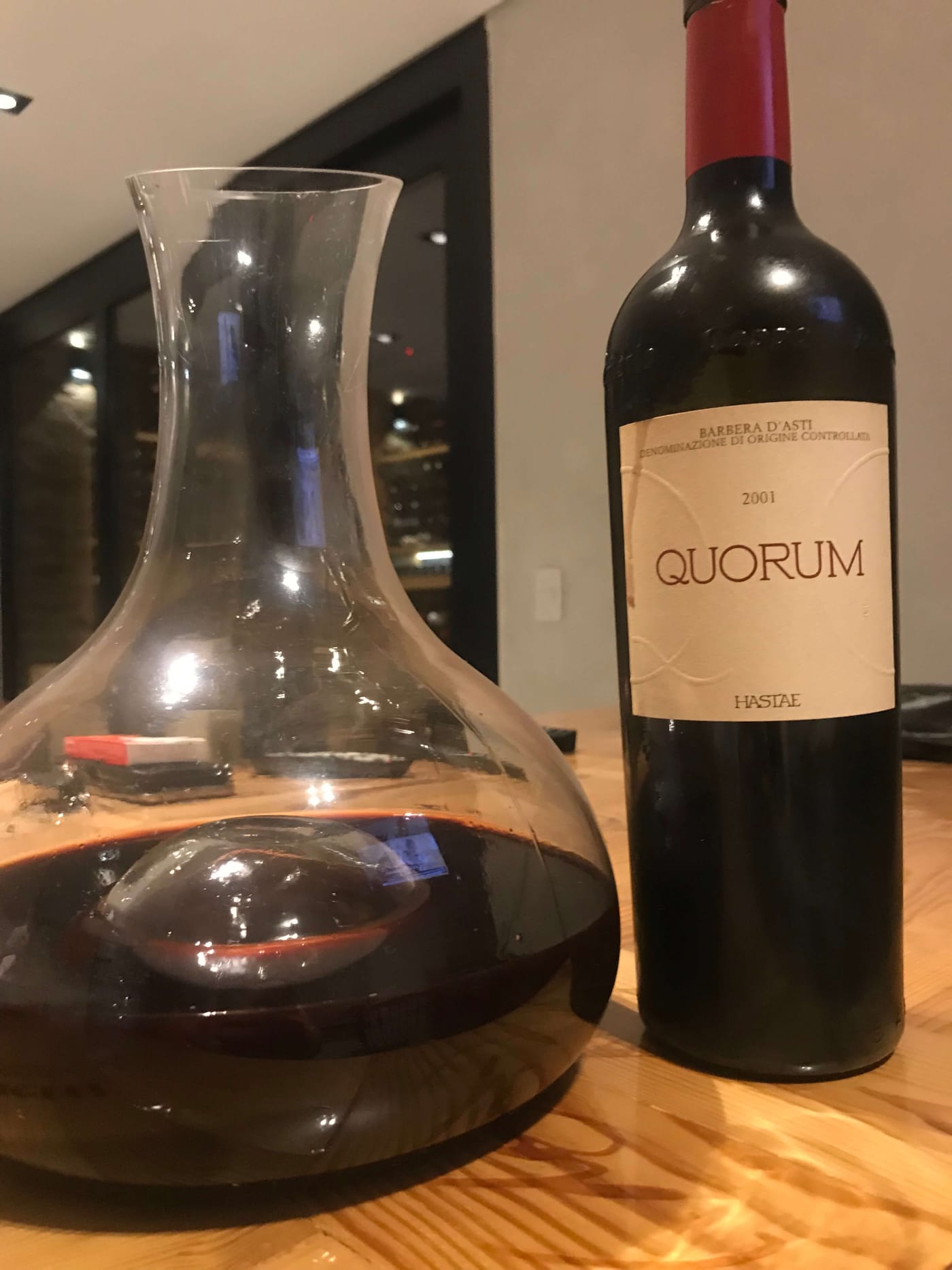
Quorum 2001 is a rare Barbera d’Asti created by Hastae, uniting Braida, Michele Chiarlo, Coppo, Prunotto, Vietti and Berta. More than two decades later, the bottle preserves a vanished collaboration and a decisive moment in Piedmont wine history.
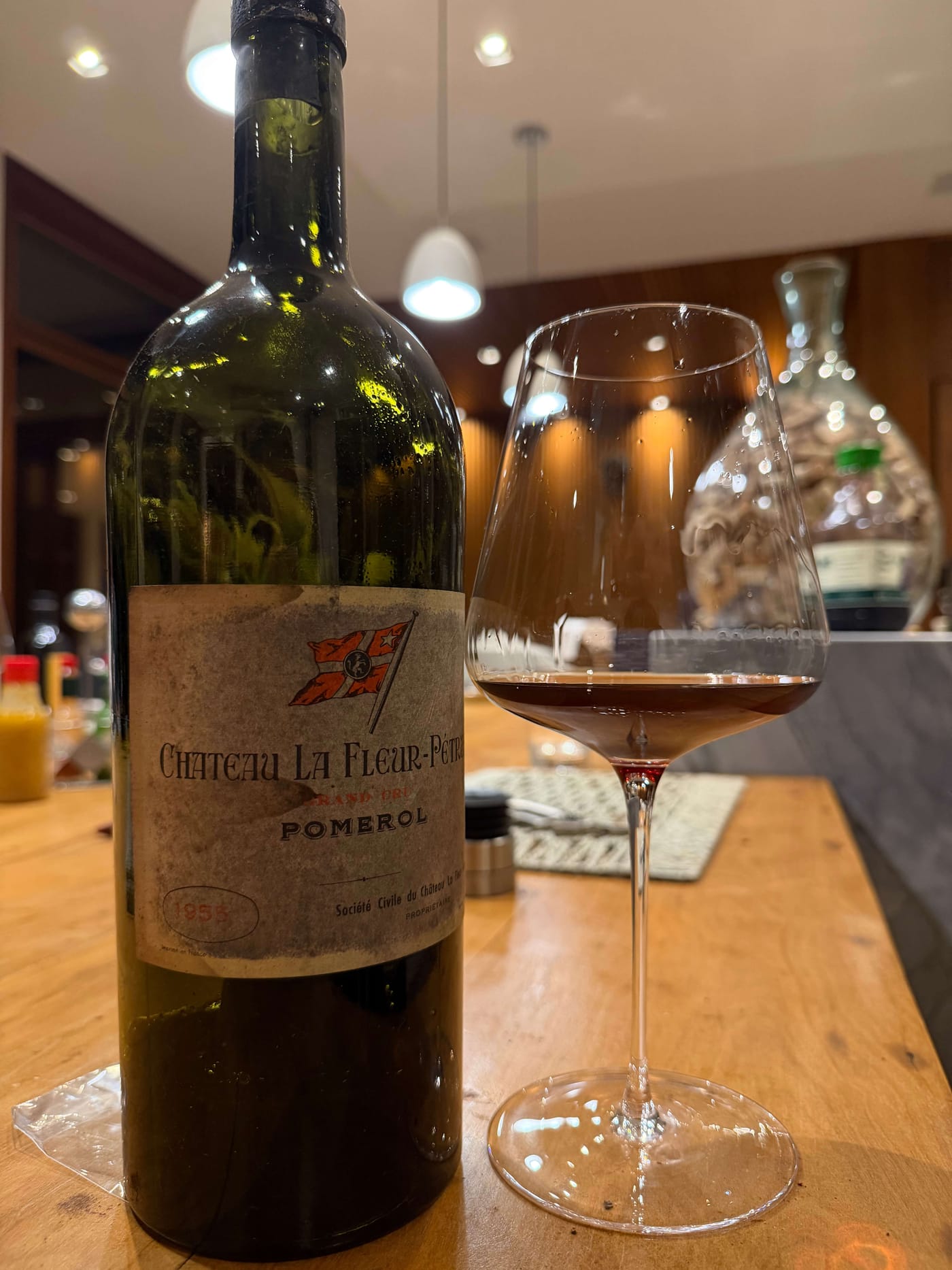
La Fleur-Pétrus 1955 preserves more than age. The final vintage before the 1956 frost devastated Pomerol connects the first chapter of Jean-Pierre Moueix with a vineyard landscape that disappeared, turning one surviving bottle into a record of place.
Wine news reported with the context most coverage skips: what happened, who it affects, and what it changes.
→ 02Observations from the road and the vineyard — what a writer sees between the appointments, closer to the ground.
→ 03Essays and editorial points of view. Where the journal argues — signed, unsponsored, and open to disagreement.
→ 04History, provenance and memory. Older bottles and what they still tell us long after their makers are gone.
→ 05Restaurants, places and hospitality. The lists worth travelling for and the rooms where wine is poured.
→ 06Every wine we rate on our own 01–05 scale, awarded by our tasters — never averaged, never licensed.
→One letter a week. No spam, no advertising.
Independent wine journalism, no advertising.
Subscribe