Two Ages of Latour
Château Latour 1928 and 1961 reveal two paths of ageing in Pauillac. One reached delicacy; the other retained remarkable structure. Together, they show how Cabernet Sauvignon and a great Bordeaux terroir can evolve for decades without losing identity.
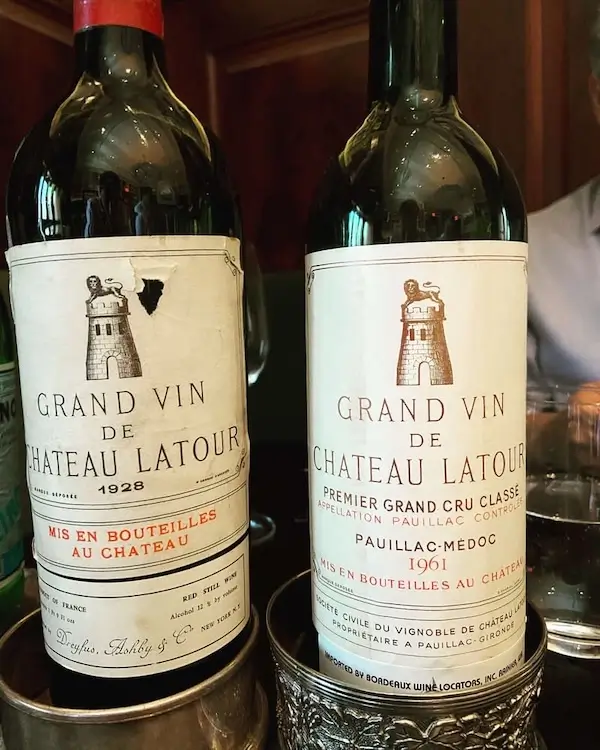
Château Latour 1928 and 1961 showed us that time does not impose a single destiny on a great wine.
Château Latour 1928 and 1961 · Pauillac, Bordeaux
There are tastings built around comparison. This was not one of them. Placing Château Latour 1928 beside the 1961 did not feel like asking which bottle was greater. It felt like watching the same place speak from two different distances in time.
The labels already carried that distance. The 1928, worn and marked by nearly a century, seemed to belong as much to history as to the table. Beside it, the 1961 appeared almost contemporary. Yet beneath the differences in age, texture and energy, both wines carried something unmistakably shared. The authority of Cabernet Sauvignon. The depth of Pauillac. The particular severity of Latour, gradually transformed into precision.
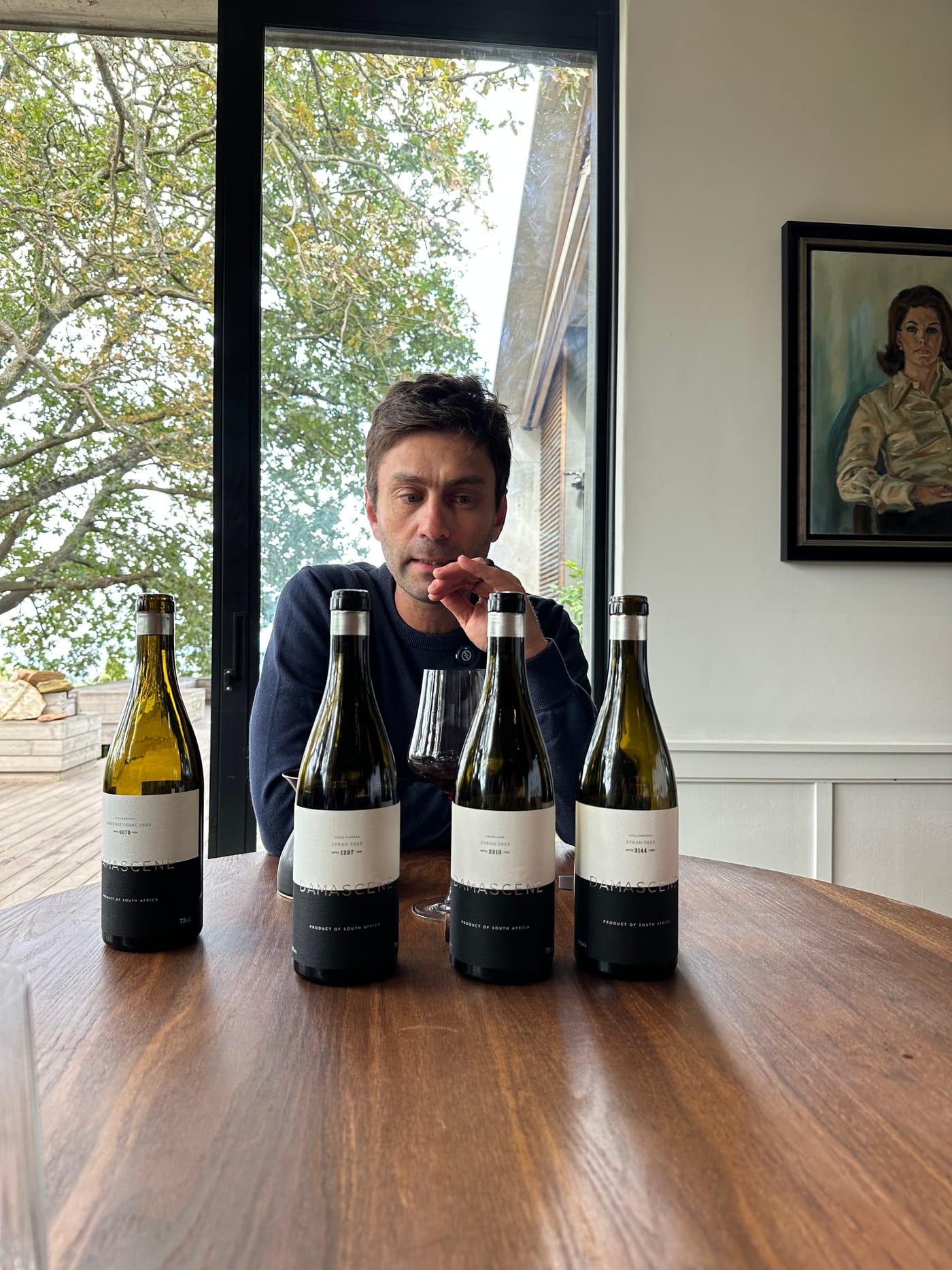
At Damascene, One Cellar Holds Many South Africas
At Damascene in Elgin, Jean Smit uses gentle cellar methods to preserve the differences among Franschhoek Sémillon, Stellenbosch Cabernet Franc, regional Syrah and Moya Meaker Riesling across South Africa’s Western Cape.
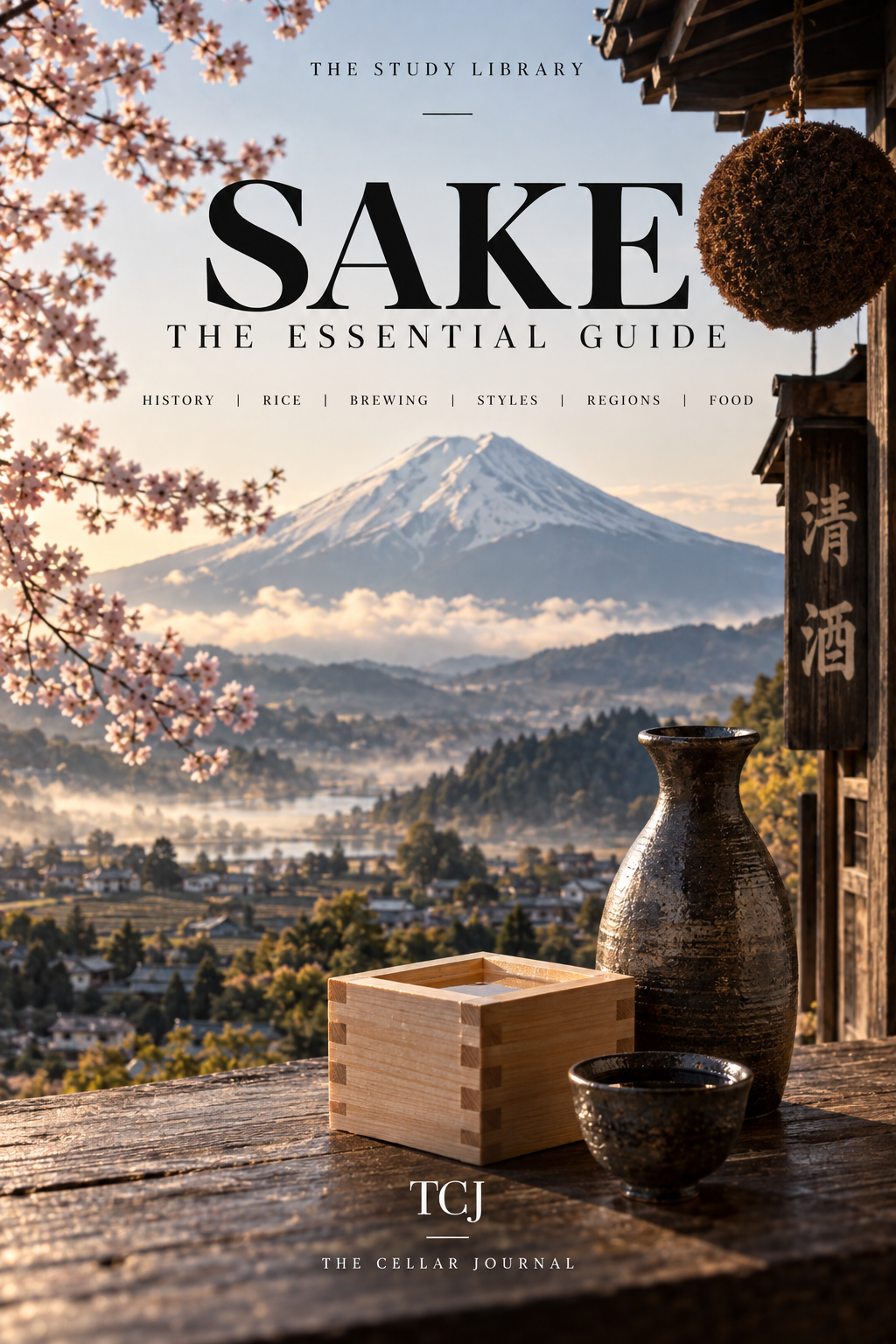
SAKE The Essential Guide
A complete introduction to sake, connecting rice, kōji, yeast, fermentation, classifications and service to explain how Japanese brewers transform a neutral grain into one of the world’s most technically complex beverages.

Thorvald Is Scaling in California Vineyards Before Full Autonomy
More than 100 Thorvald UV-C robots are expected to treat 2,600 acres of California vineyards in 2026. Research supports powdery mildew control, but cost, field reliability and a 1977 safety rule still limit full autonomy.