Why Wines Keep Rethinking the Label
Seasonal labels can give consumers a new reason to notice wine. The packaging may earn the first look, but the liquid must earn the second bottle.
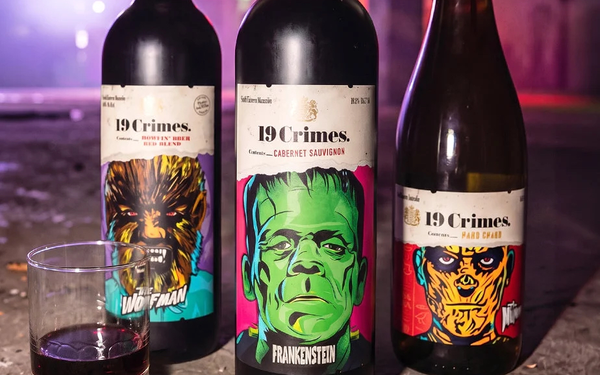
Seasonal labels, artist collaborations and limited editions are giving wine new ways to earn attention. From Dom Pérignon to Mouton Rothschild, the strongest examples show that a label can become part of a wine’s cultural identity without becoming more important than the liquid.
Wine has an attention problem. Not because it lacks stories, places or personalities, but because much of the category continues to present them through the same visual language. In a crowded retail aisle, rows of château drawings, family crests and restrained typography can make very different wines look remarkably similar. For consumers without prior knowledge of the producer or appellation, the label often becomes the first reason to stop.
The latest Halloween campaign from 19 Crimes makes that logic explicit. Its limited Universal Monsters collection puts Frankenstein and other classic film characters on glow-in-the-dark labels, adds augmented-reality experiences accessed through the bottle and extends the idea into video, social media, recipes, makeup content and a contest. The campaign is not really asking consumers to study the wine. It is giving them a timely reason to notice, buy and bring the bottle to a particular occasion.
There is little value in treating this as news about one brand. The more interesting question is what the wine category can learn from it. Beer, spirits, coffee and confectionery have long used seasons, cultural moments and limited packaging to return to the consumer’s field of vision. Wine often behaves as though changing a label would weaken its seriousness. In reality, a well-designed seasonal edition can create relevance without changing the liquid at all.
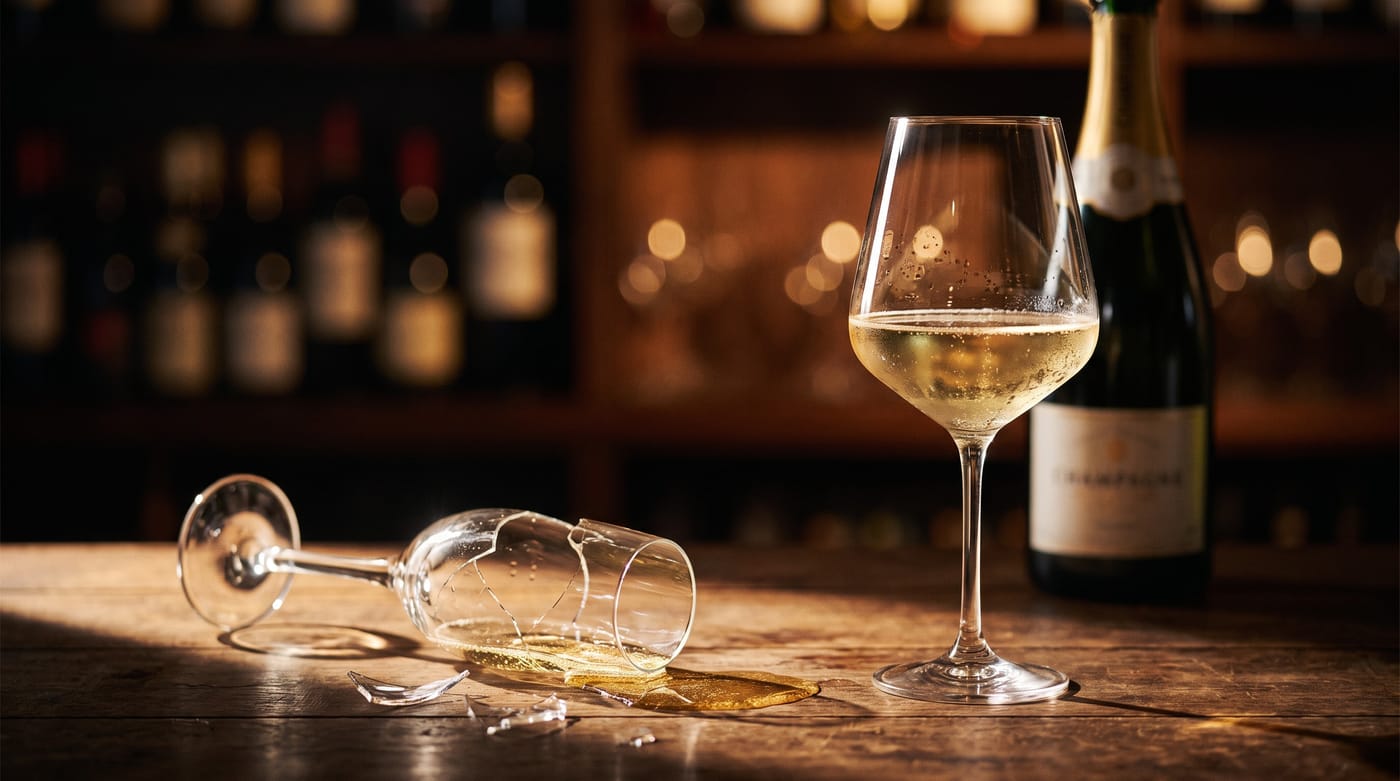
Champagne Beyond the Flute
The flute helped turn Champagne into a symbol of celebration. It also became one of the greatest obstacles to tasting it properly.
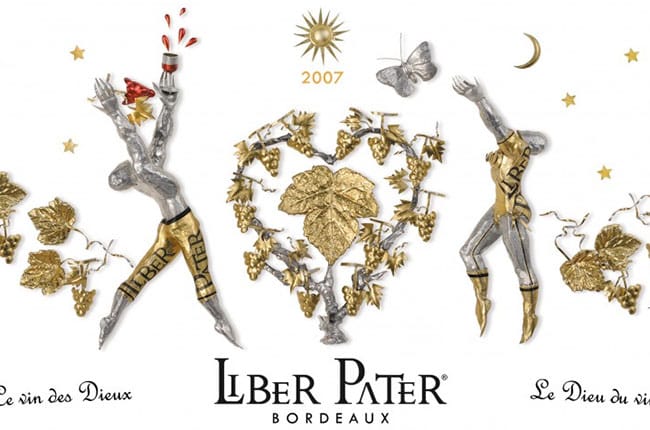
Liber Pater and the Price of Recreating Bordeaux’s Past
A 27-litre Liber Pater may fetch US$1.15 million, but the more important story is its attempt to recover the grapes, vines and taste of Bordeaux before phylloxera.
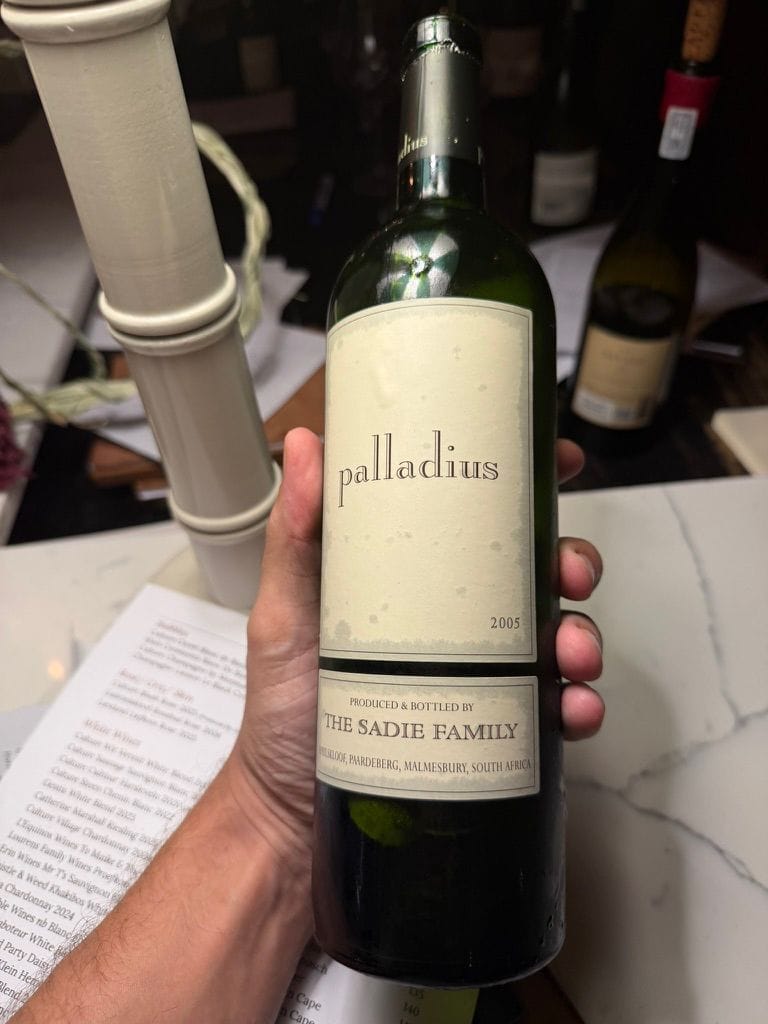
Palladius 2005: Before Swartland Became a Movement
At Culture Wine Bar in Cape Town, a remarkably fresh Palladius 2005 took us back to the years when Sadie Family was beginning to change the course of South African wine.