Casas del Bosque: Where Wine and Hospitality Meet in Every Detail
Casas del Bosque brings together cool-climate wines, restaurants, vineyard landscapes and carefully designed experiences, showing how hospitality can turn a visit to Casablanca into a deeper understanding of the region.
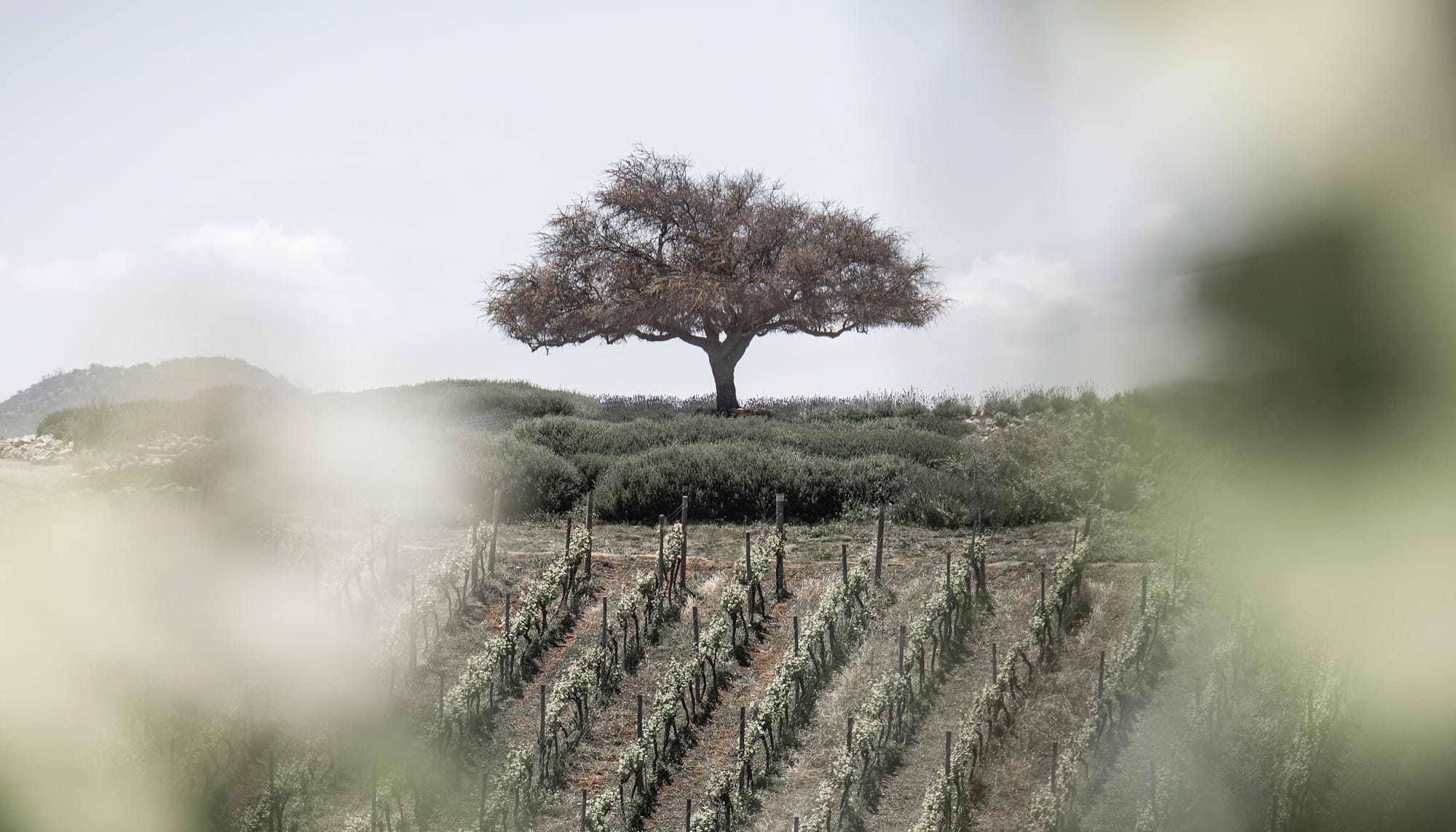
Inside a family estate where Casablanca’s cool-climate wines, restaurants, vineyards and carefully designed experiences form a single vision.
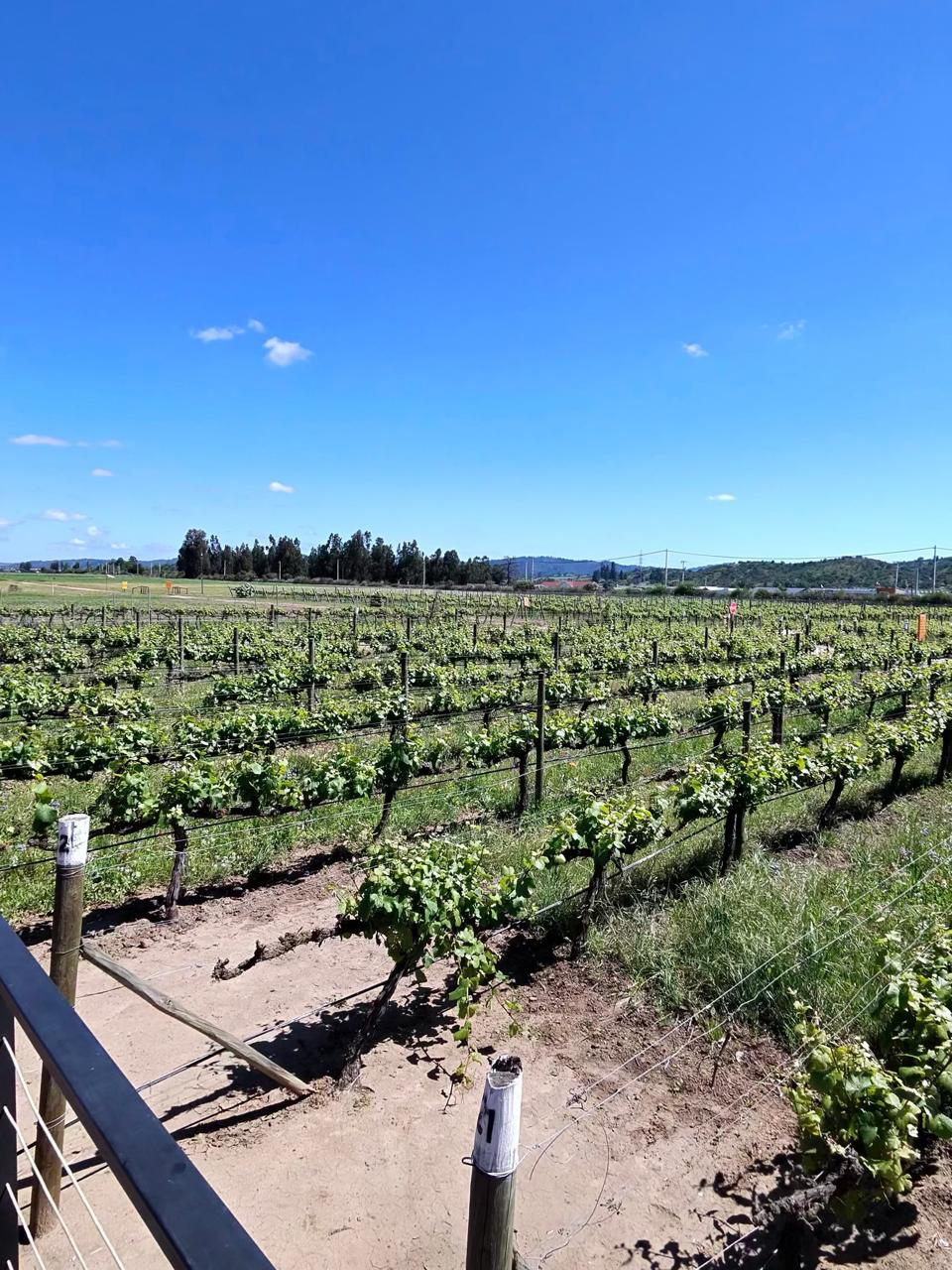
The morning begins under the low cloud that defines Casablanca. The Pacific is not visible from the vineyards of Casas del Bosque, but its presence is everywhere. Fog arrives early, cold coastal air enters through the valley and the wind returns in the afternoon. Between the two, the sun has its window. This constant negotiation between light and cold is the first thing to understand here. It explains the Sauvignon Blanc, but it also explains why the story of Casas del Bosque is becoming larger than the variety that made it famous. Our visit would move through vineyards, a soil pit, gardens, the small winery reserved for the best parcels and the estate’s restaurants before ending with a vertical of La Trampa, an icon still young enough for us to see its identity being built vintage by vintage. By then, the fog outside would no longer feel like weather. It had become the thread connecting the entire day.
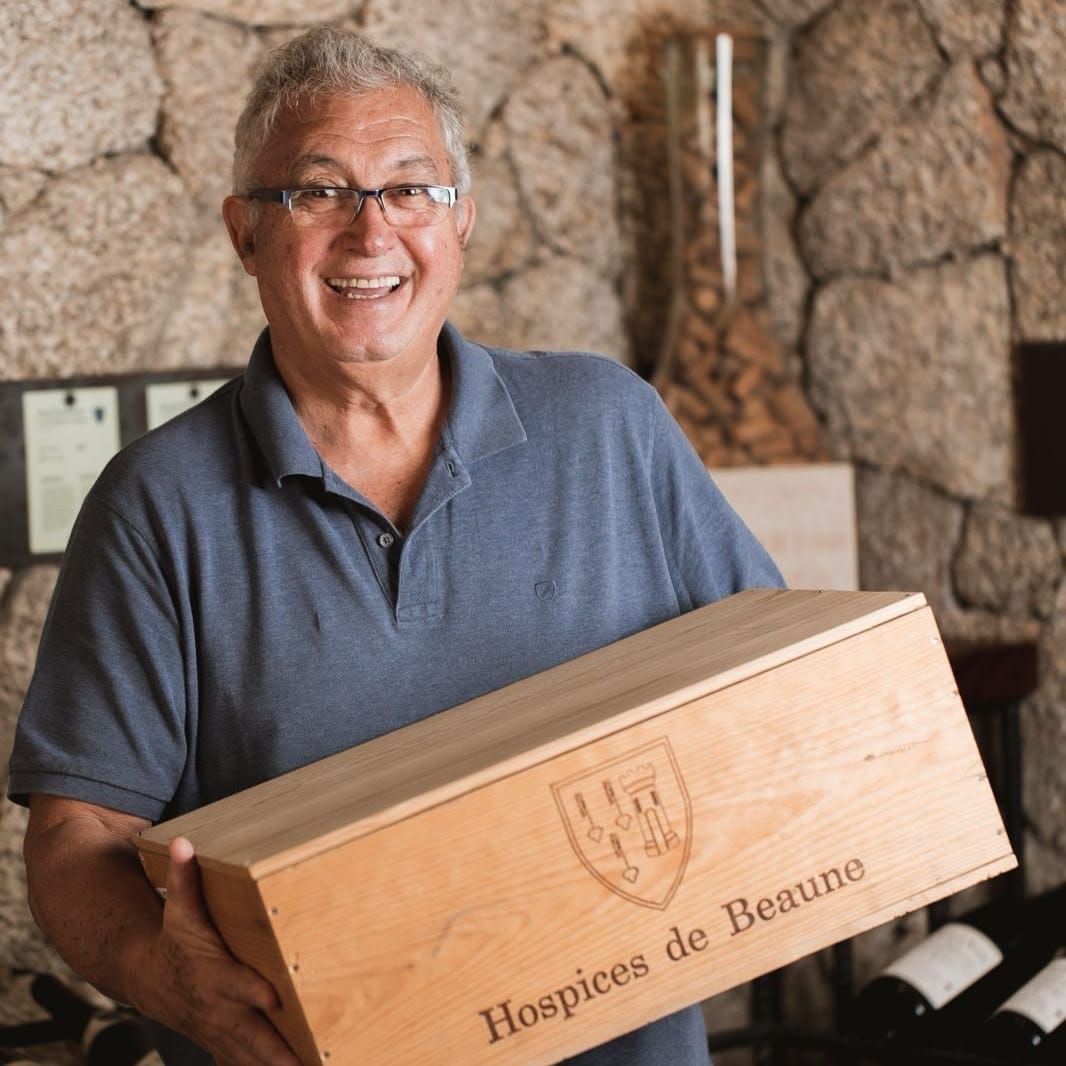
A Brazilian Bid at the Heart of Burgundy’s €1 Million Charity Barrel
A Brazilian collector’s record €770,000 bid for the Hospices de Beaune charity barrel helped raise €1 million, bringing Brazil into one of Burgundy’s most historic traditions.

Thanksgiving Wine Pairing Does Not Need to Be Complicated
Four classic Thanksgiving dishes, four wines and one useful principle: pairing is not about following an elaborate set of rules. It is about making the next bite taste and feel better.

Failla’s $17.5 Million Debt Crisis Is Bigger Than One Winery
Failla Wines faces possible foreclosure after its lender claimed more than $17.5 million in unpaid debt. The case shows how slower wine sales, higher interest rates and illiquid real estate can threaten even one of California’s most respected producers.