At Rutini, Precision Has to Work at Every Scale
Inside Rutini’s Gualtallary winery, optical selection, meticulous cleaning, microvinification and 5,000 barrels reveal how one of Argentina’s historic producers pursues precision across more than ten million litres of wine.
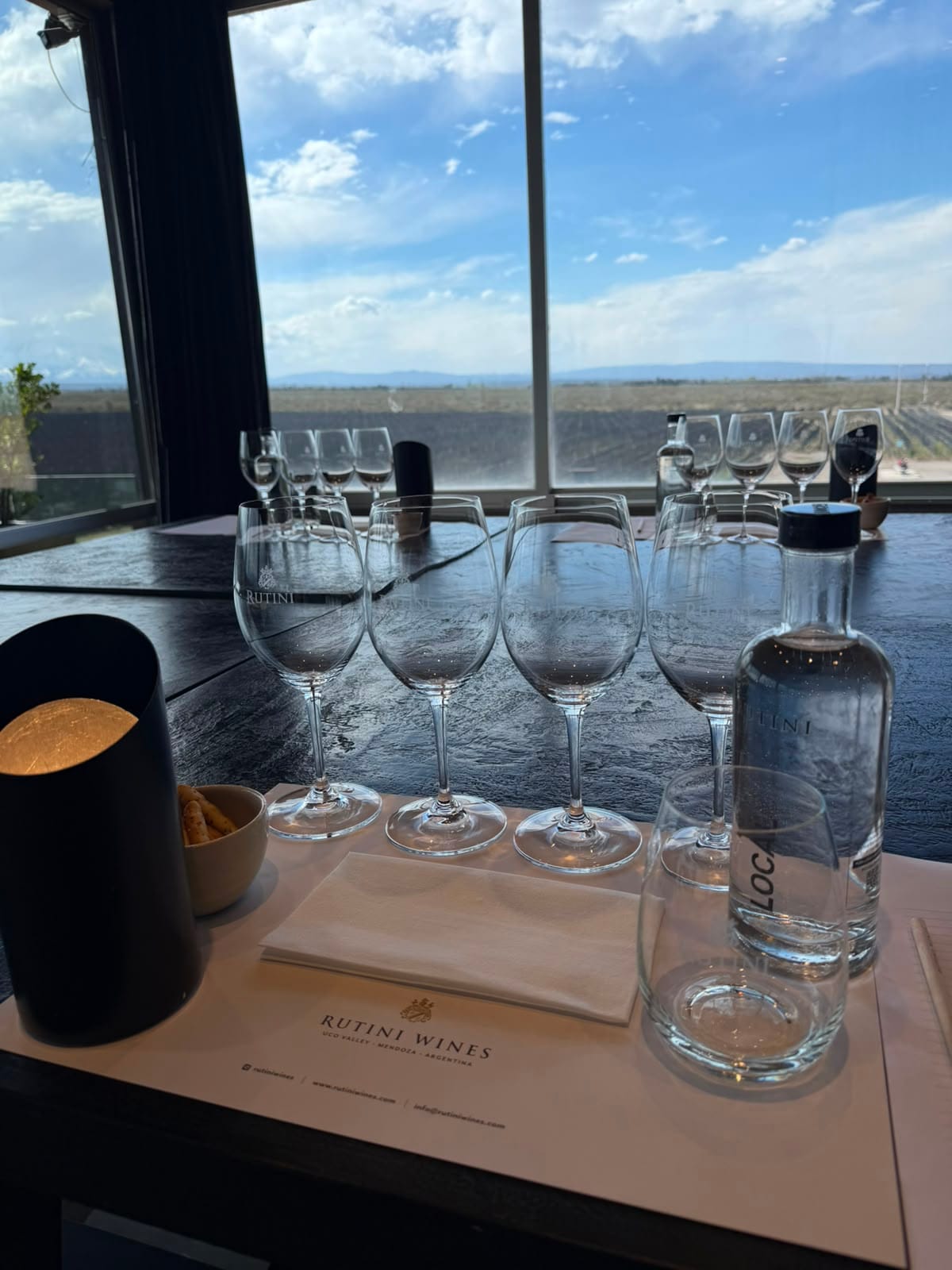
Rutini produces more than ten million litres at its Gualtallary winery and works across one of Argentina’s broadest premium portfolios. The visit showed how cleanliness, technology and disciplined selection are used to maintain consistency from widely available wines to the cellar’s most ambitious bottlings.
Arrival
Rutini’s winery in Gualtallary is not designed primarily to receive tourists. The historical Bodega La Rural in Maipú performs that role, welcoming visitors into the building where the company’s story began. The facility in the Uco Valley has another purpose. It is a working production centre built to receive fruit, separate it, ferment it, mature it and move substantial volumes without losing control of the details.
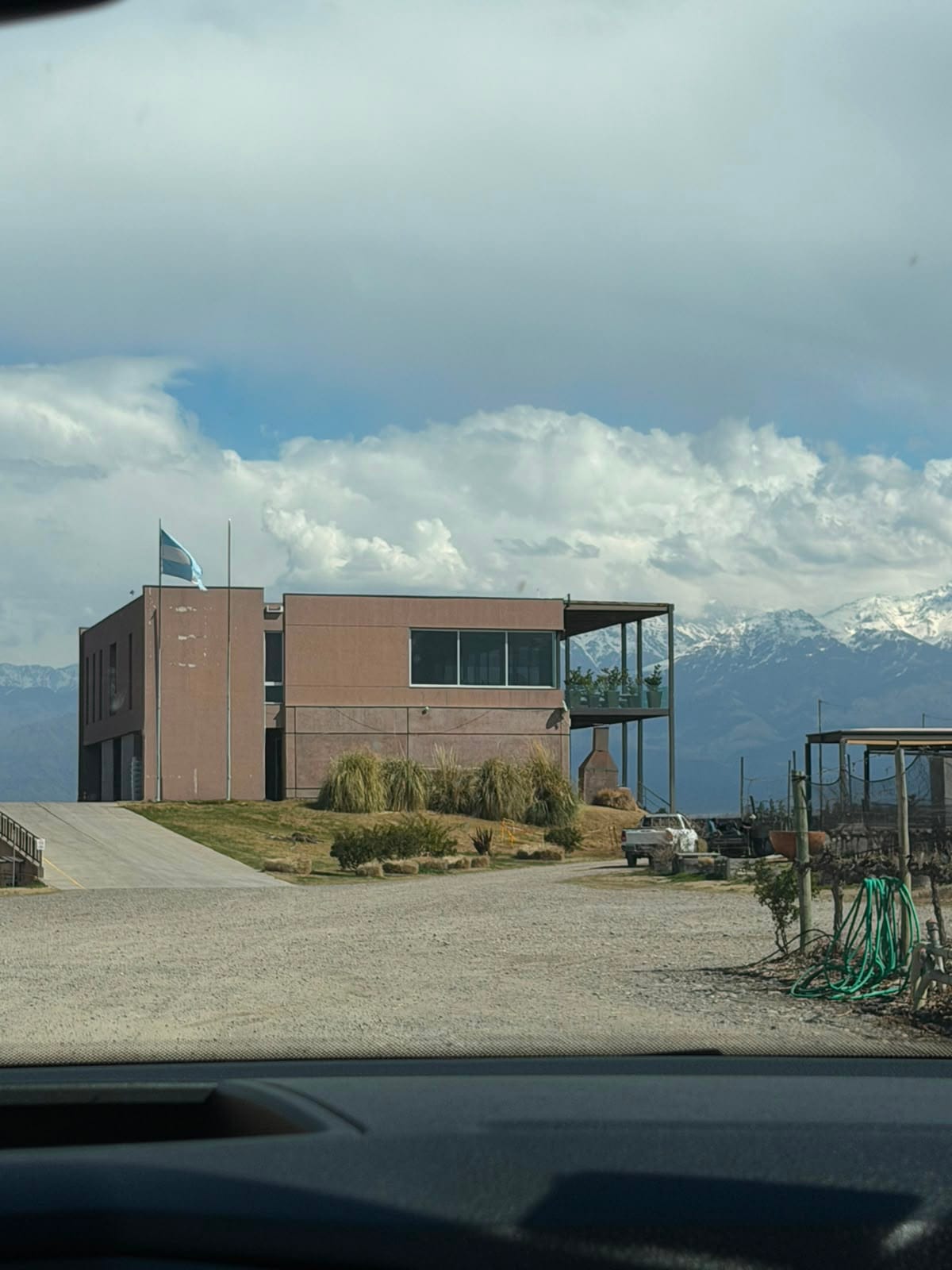
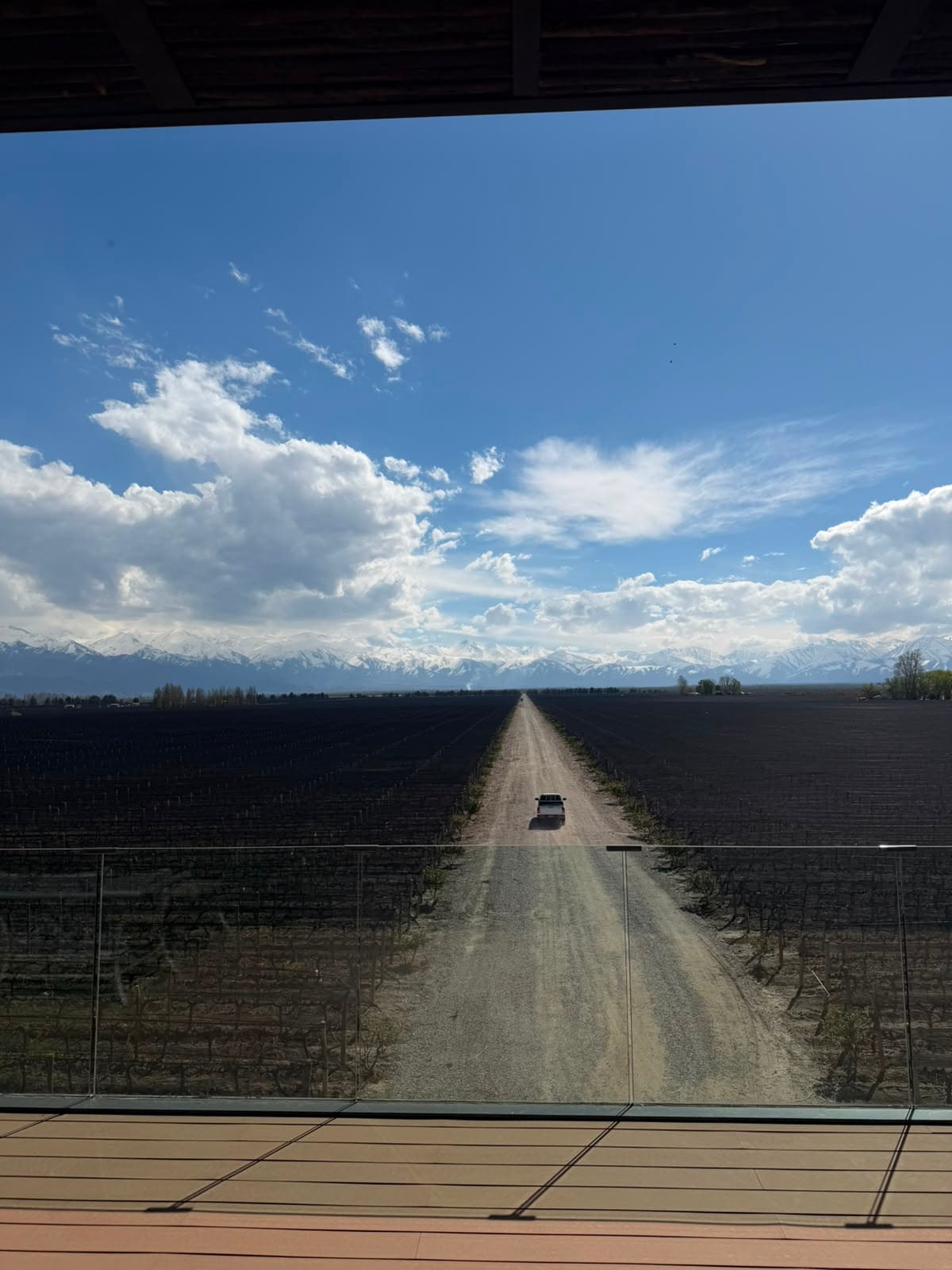
Our visit began outside, among the 200 hectares surrounding the winery. We were in Tupungato, at approximately 1,100 metres above sea level, with the Andes and the remaining winter snow behind the vineyard. The rows were just leaving dormancy. Small buds were beginning to appear after several cold days, while the warmer air carried the possibility of Zonda wind.
The landscape supplied the expected image of Mendoza: altitude, desert, mountains and extreme light. The winery soon changed the scale of the conversation. Gualtallary may be known for high-end wines, but Rutini does not operate like a small producer using a few special parcels to create a narrow collection. It works with estate vineyards across the Uco Valley, purchased fruit monitored by its agronomy team and a portfolio that extends from widely distributed labels to limited wines selected by parcel, variety and barrel.
The question throughout the visit was therefore not whether Rutini possesses the equipment to make expensive wine. It clearly does. The more interesting question was how the same organisation protects quality when the number of tanks, barrels, wines and bottles becomes so large. The answer appeared first through something simple: everything was exceptionally clean.
WINE TASTING The Essential Guide
The Study Library · The Cellar Journal Wine tasting can look far more complicated than it really is. A professional puts their nose into a glass and starts talking about blackcurrants, violets, graphite, leather or wet stones, while someone listening may reasonably wonder whether all of those things are actually there,
ENGLISH WINE The Essential Guide
A complete introduction to English wine, connecting climate, geology, grapes, sparkling wine and modern history to explain how a marginal wine country became one of the world’s most dynamic cool-climate regions.
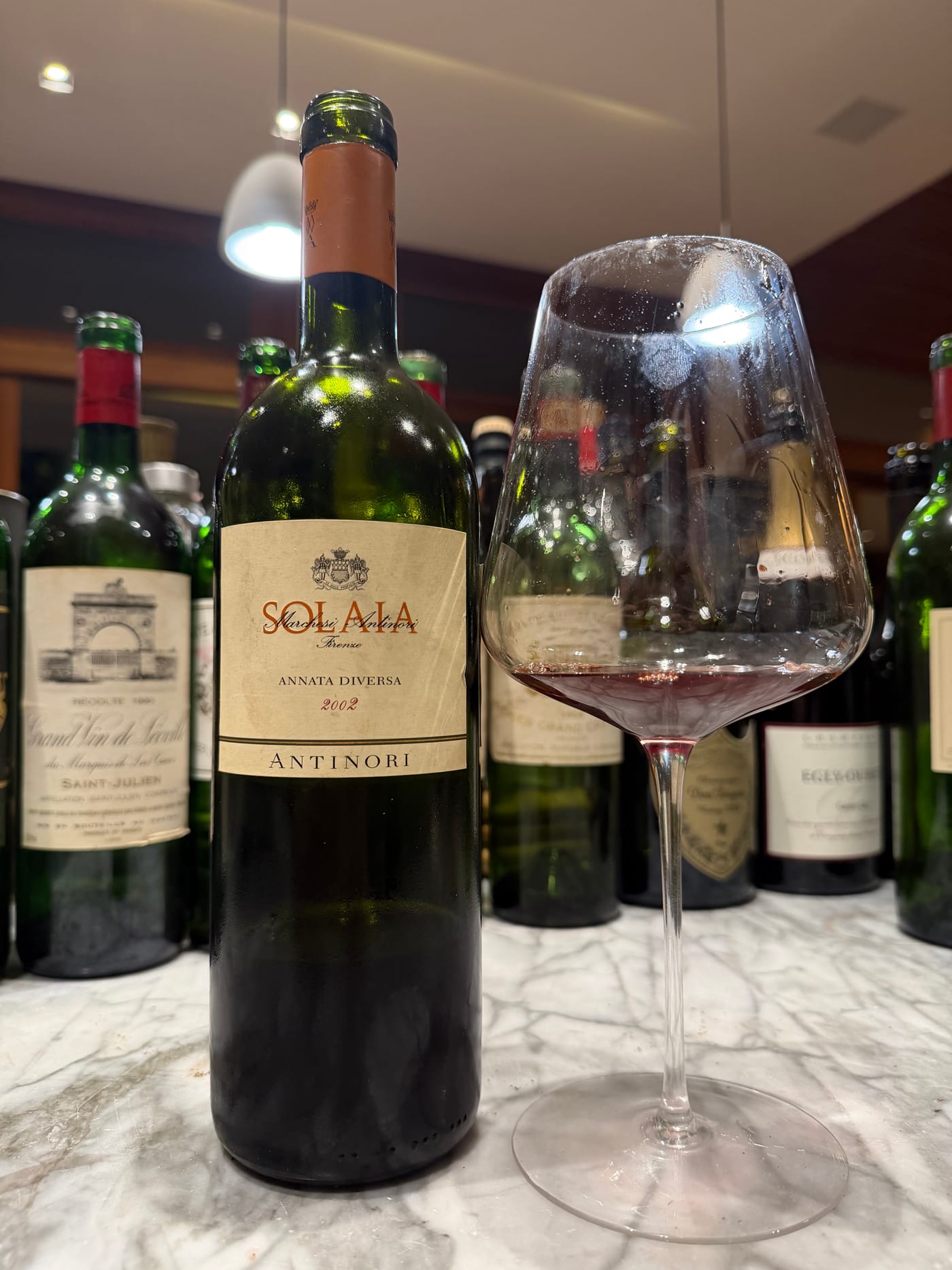
Solaia Annata Diversa 2002: A Different Vintage, a Singular Wine
Solaia 2002 is the only vintage to carry the words Annata Diversa, after a difficult Tuscan season removed Sangiovese from the blend. More than two decades later, the wine was alive, elegant and finely textured, with the composure of mature Bordeaux and an identity entirely its own.