Alentejo Makes the Lightweight Bottle a Regional Project

The new 390-gram bottle is not the lightest on the market. Its relevance lies in making lower-impact packaging available across an entire wine region.
Alentejo has unveiled a 390-gram wine bottle developed for producers across the region. The bottle will reduce glass use, transport weight and packaging costs, but its real significance lies in the collective structure behind it.
What happened
The Comissão Vitivinícola Regional Alentejana has presented the Alentejo Lightweight Bottle, developed with glass manufacturer Verallia and other partners over four years.
Every producer in the region will be free to adopt the bottle. It has been designed to work with existing filling lines, transport systems and storage, and is expected to be offered at what the organisation describes as a competitive price.
The project is not yet complete. Bottling and stress tests will continue until the end of the first quarter of 2027. The final production model will then be confirmed, with its market launch planned for the end of 2027.
Alentejo estimates that approximately 50 million bottles are filled in the region each year. Using less glass at that scale could reduce raw-material and energy requirements, transport costs and the recycling fees paid by producers under Portugal’s extended producer responsibility system.
Why a regional bottle is different
Large wine groups can develop proprietary bottles, negotiate substantial orders and absorb the cost of technical trials. Smaller estates usually have to choose among the formats already available to them.

Failla’s $17.5 Million Debt Crisis Is Bigger Than One Winery
Failla Wines faces possible foreclosure after its lender claimed more than $17.5 million in unpaid debt. The case shows how slower wine sales, higher interest rates and illiquid real estate can threaten even one of California’s most respected producers.

Elton John Zero Is Not Dealcoholized Wine. That Is Precisely the Point.
Elton John Zero is not a finished wine with the alcohol removed. Made with 7% fermented Chardonnay concentrate, green-tea tannin and carbonation, it represents a new generation of wine-inspired drinks built for occasions when consumers want the ritual without the alcohol.
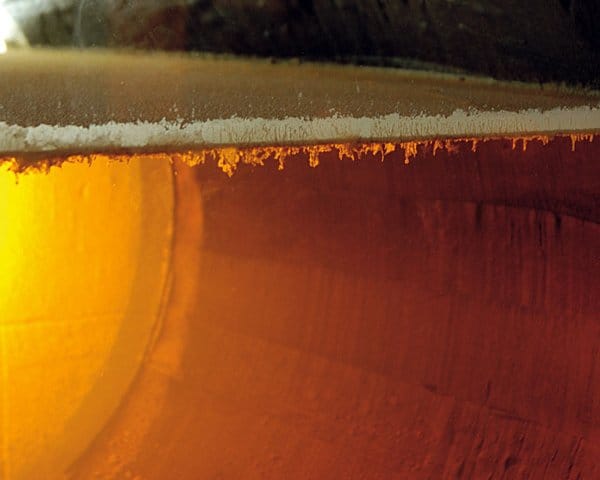
Sherry Week almost over. The Work of Keeping Jerez Alive Is Not.
Sherry Week has become more than a global celebration. As sales continue their long decline, the initiative is helping Jerez turn admiration into consumption, while the rise of vinos de pasto offers a new route into one of wine’s richest and most complex cultures.