At Damascene, One Cellar Holds Many South Africas
At Damascene in Elgin, Jean Smit uses gentle cellar methods to preserve the differences among Franschhoek Sémillon, Stellenbosch Cabernet Franc, regional Syrah and Moya Meaker Riesling across South Africa’s Western Cape.
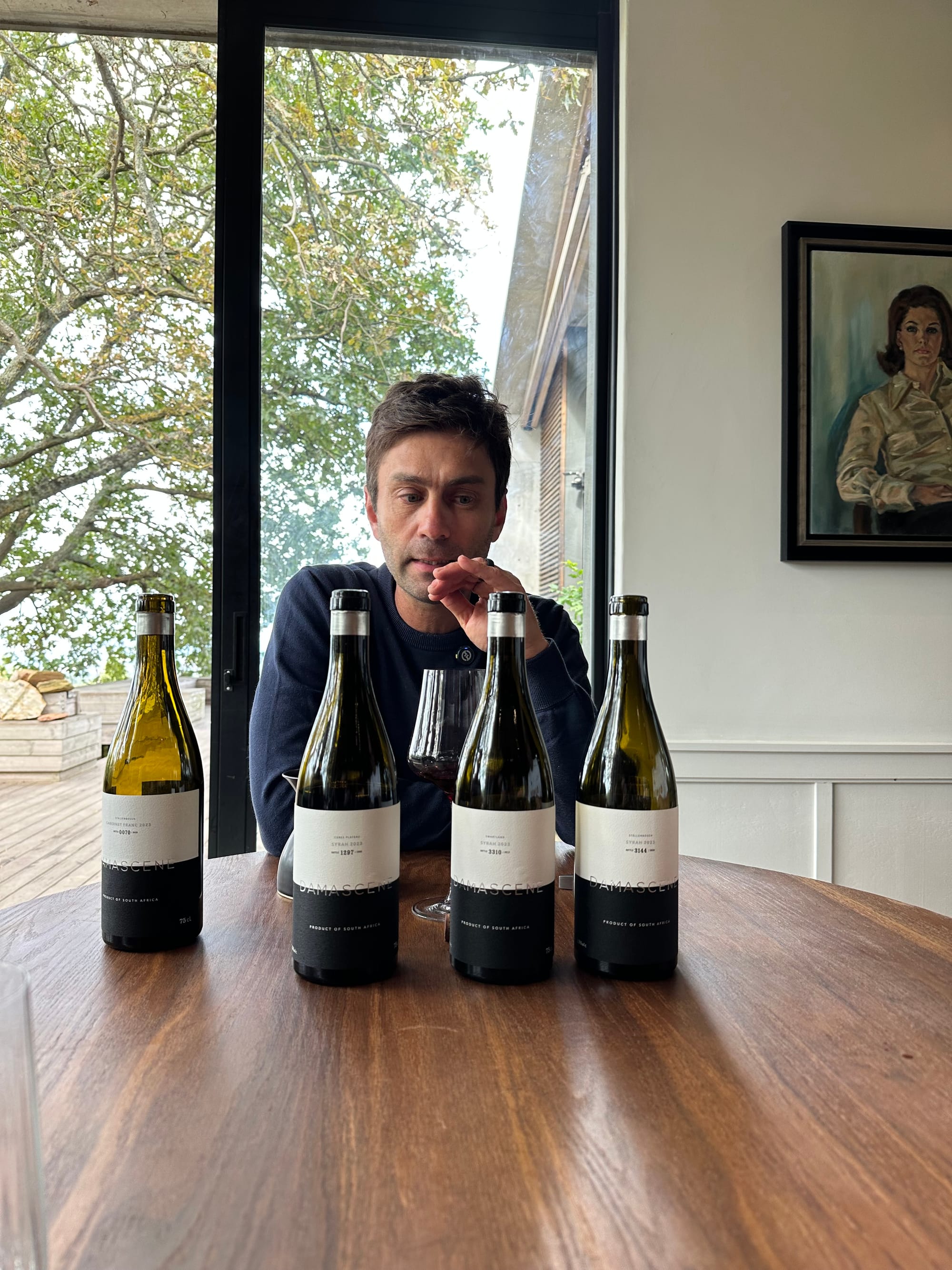
From a meticulously ordered cellar in Elgin, Jean Smit and David Curl follow vineyards across the Western Cape. The visit revealed a project whose technology and ambition serve one purpose: preserving the distance between places rather than reducing them to a house style.
Arrival
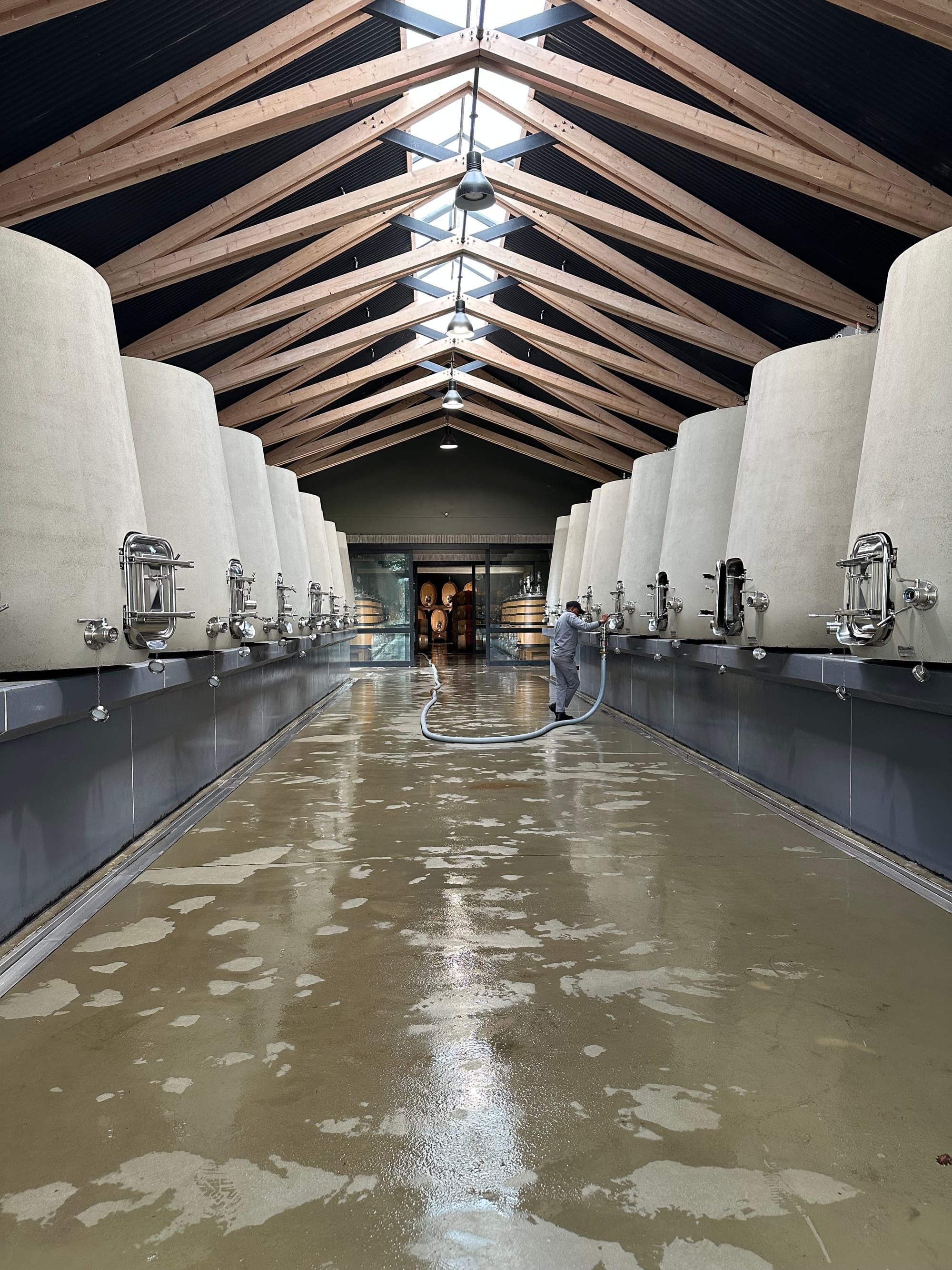
The road into Elgin passes beneath mountains that seem to close around the valley. The scale of the landscape is immediate, but Damascene does not respond to it with theatrical architecture. At Habibi Farm, the project reveals itself through order. The cellar is spacious, exceptionally clean and carefully sequenced. In the tasting room, bottles stand beside a sculptural model of the terrain, as if the wine and the map belong to the same explanation.
That first impression matters. This is a seriously equipped place, yet its structure does not feel designed to overwhelm a visitor. Tanks, concrete vessels, presses and large wooden foudres are arranged with the clarity of a cellar in which every movement has been considered. The precision visible in the room becomes the first clue to the purity visible in the wines.
Our access made the visit unusually complete. Winemaker Jean Smit did more than present a range. He moved between the physical details of the cellar, the geology of distant vineyards and the reasons one site should never be forced to behave like another. The tasting became a journey across South Africa without leaving the table: old Sémillon from Franschhoek, Cabernet Franc and Syrah from Stellenbosch, Syrah from Swartland and the Ceres Plateau, then Riesling from the Elgin farm around us.
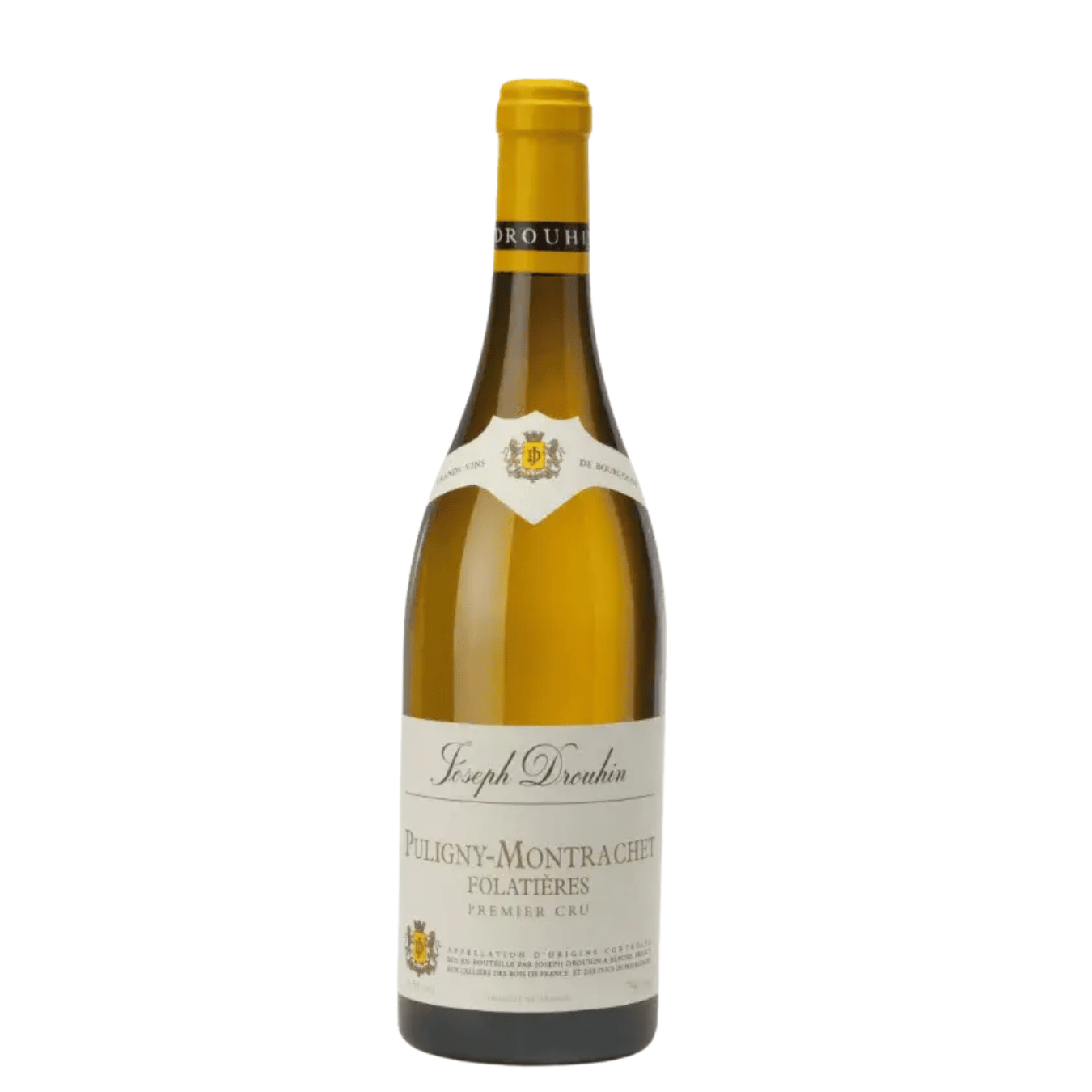
Joseph Drouhin Puligny-Montrachet 1er Cru Les Folatières 2022
Members Only — subscribe to read.
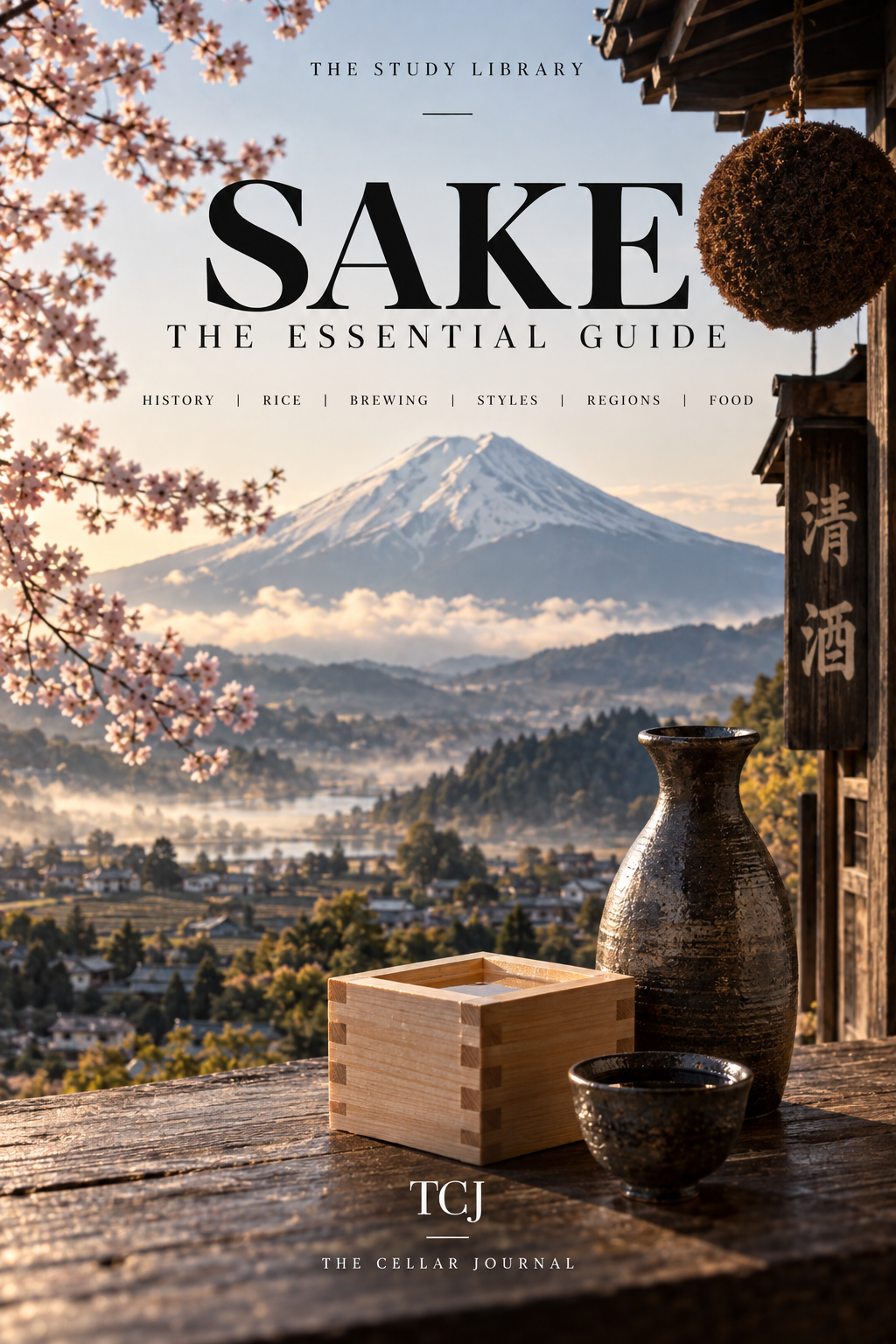
SAKE The Essential Guide
A complete introduction to sake, connecting rice, kōji, yeast, fermentation, classifications and service to explain how Japanese brewers transform a neutral grain into one of the world’s most technically complex beverages.
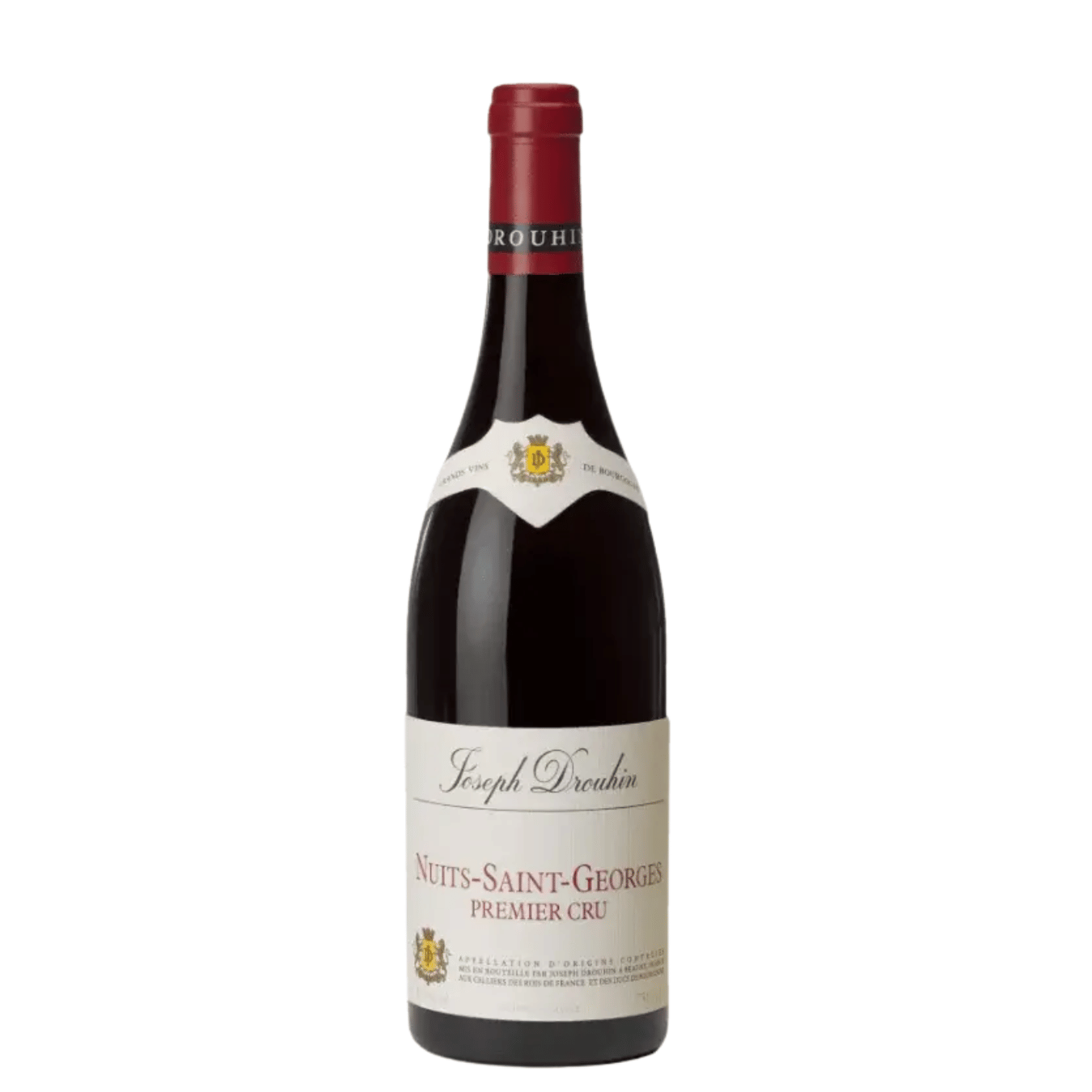
Joseph Drouhin Nuits-Saint-Georges Premier Cru 2018
Members Only — subscribe to read.