Arpège, Where the Garden Sets the Tempo
At Arpège, Alain Passard lets the garden determine the ingredients and time shape the experience. Across four hours, vegetables, precise service and restrained presentation reveal a cuisine built on clarity of flavour rather than spectacle.
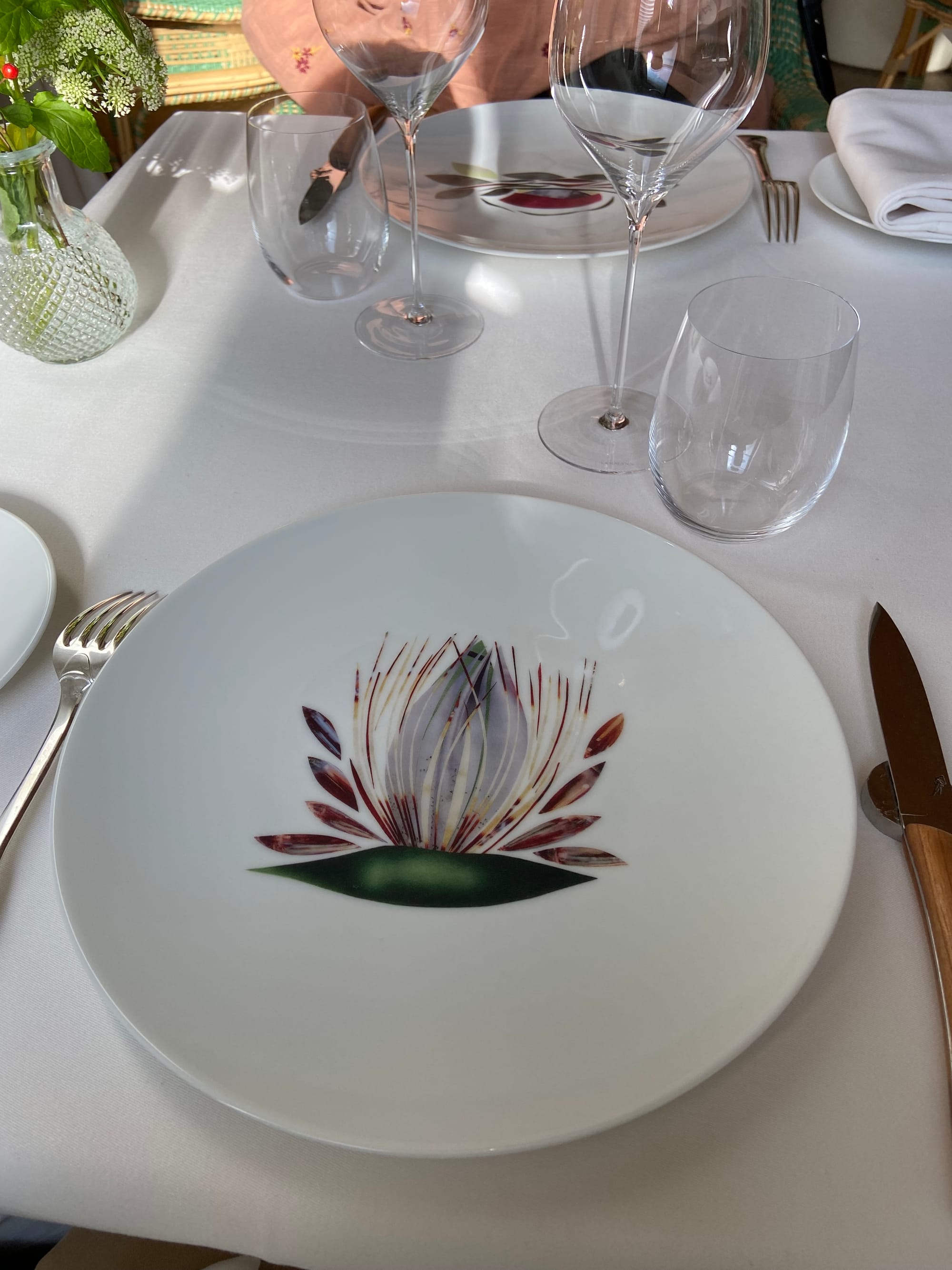
A four-hour lunch in Paris reveals Alain Passard's most enduring idea: vegetables need not imitate anything when they are grown, cooked and served with complete attention.
Four hours at the table
Some meals are measured by the number of courses. Others are remembered by the way time disappears around the table. At Arpège, lunch lasted four hours. Nothing felt extended for effect. The sequence simply asked the room to slow down until each colour, temperature and texture could be noticed.
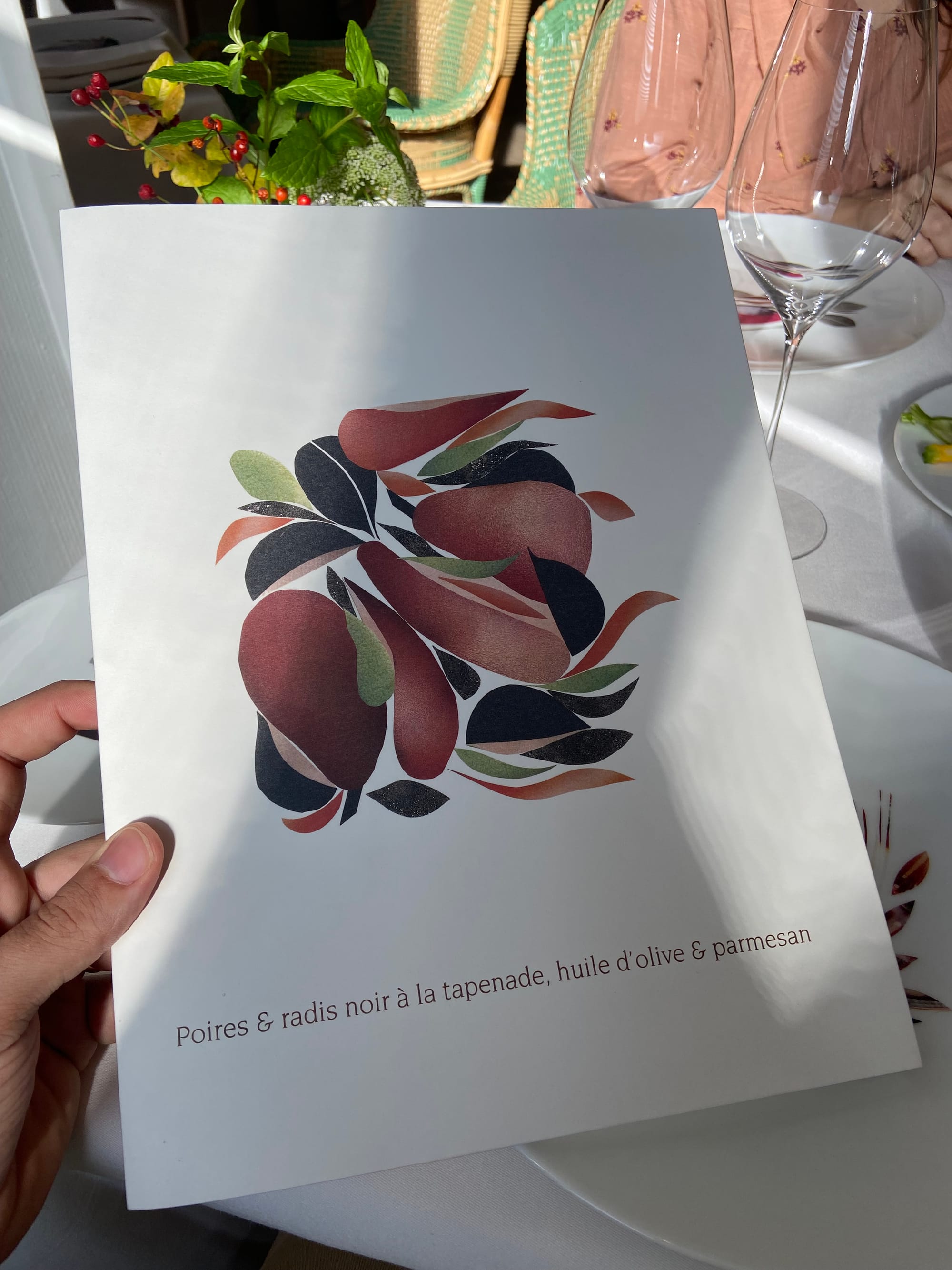
Arpège asks for a different understanding of time. The meal does not advance through spectacle or a succession of explanations designed to prove its importance. It moves by small changes in colour, temperature and texture. A plate of raw vegetables arrives like a garden seen from above. A tomato is given enough space to become the entire subject. An egg is served in its shell with the same precision later given to a painted plate on which an artichoke appears before the next course. Presentation is not decoration added at the end. It is part of the rhythm.
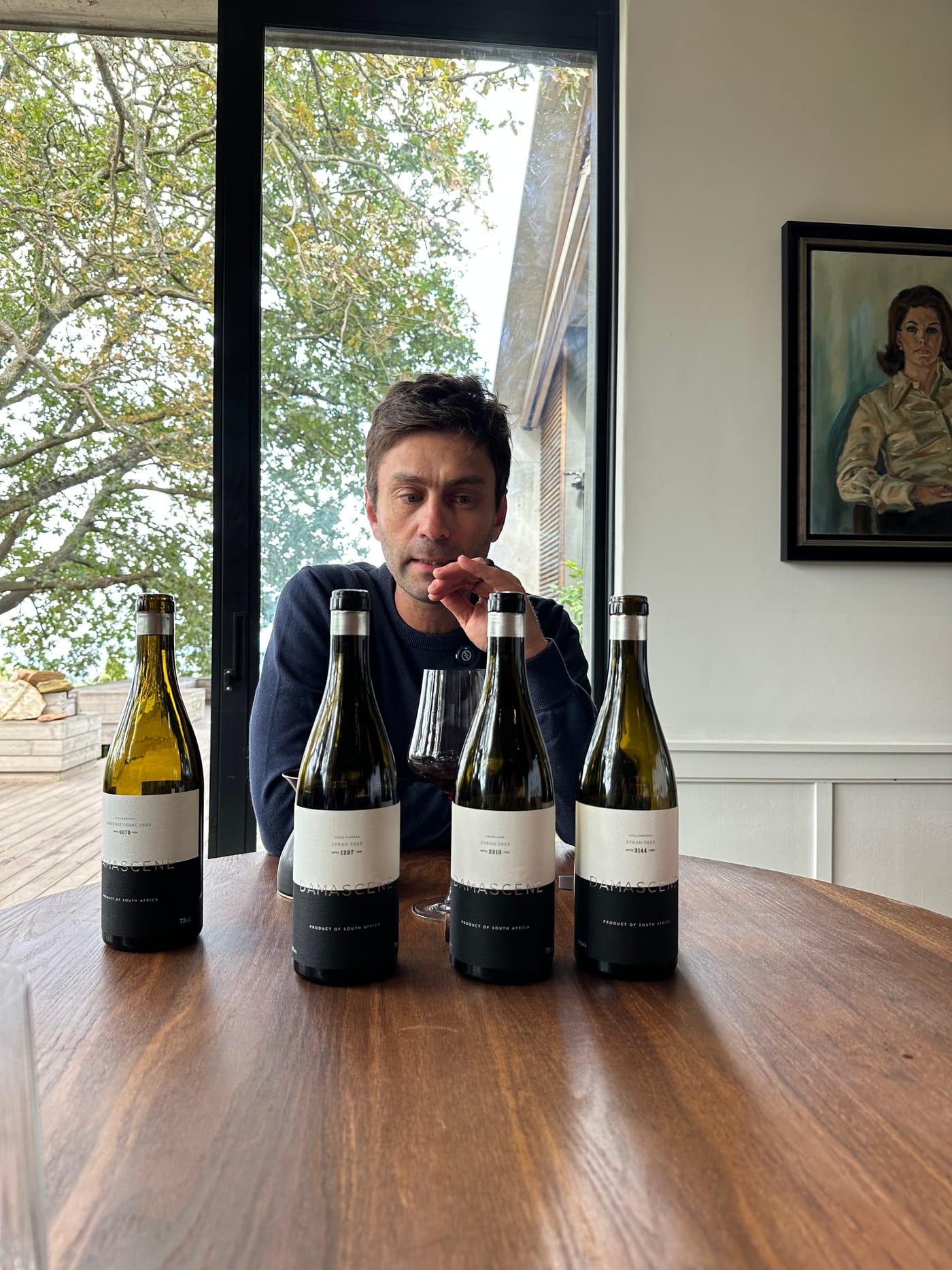
At Damascene, One Cellar Holds Many South Africas
At Damascene in Elgin, Jean Smit uses gentle cellar methods to preserve the differences among Franschhoek Sémillon, Stellenbosch Cabernet Franc, regional Syrah and Moya Meaker Riesling across South Africa’s Western Cape.

SAKE The Essential Guide
A complete introduction to sake, connecting rice, kōji, yeast, fermentation, classifications and service to explain how Japanese brewers transform a neutral grain into one of the world’s most technically complex beverages.

Thorvald Is Scaling in California Vineyards Before Full Autonomy
More than 100 Thorvald UV-C robots are expected to treat 2,600 acres of California vineyards in 2026. Research supports powdery mildew control, but cost, field reliability and a 1977 safety rule still limit full autonomy.