NEW ZEALAND The Essential Guide
A complete introduction to New Zealand wine, connecting geography, climate, grapes, history and its major regions to explain how a young industry moved from Sauvignon Blanc success toward an increasingly precise understanding of place.

The Study Library · The Cellar Journal
Few wine countries have built an international identity as quickly as New Zealand. In only a few decades, a small and relatively isolated industry became one of the most recognizable sources of wine in the world.
Sauvignon Blanc from Marlborough was the catalyst. Its aromatic intensity, freshness and consistency were so successful that grape, region and country became almost inseparable in the minds of many consumers. Yet this success also simplified the way New Zealand came to be understood.
The country's vineyards extend for roughly 1,600 kilometres, from the warmer north of the North Island to the cool landscapes of Central Otago. Across that distance, maritime influence, mountains, latitude and geology create very different conditions. Hawke's Bay can successfully ripen Syrah and Bordeaux varieties, Martinborough and Central Otago have built reputations around Pinot Noir, while Chardonnay, Riesling and other varieties reveal further regional distinctions.
New Zealand's first great wine story was therefore one of varietal identity. Its next is increasingly about place.
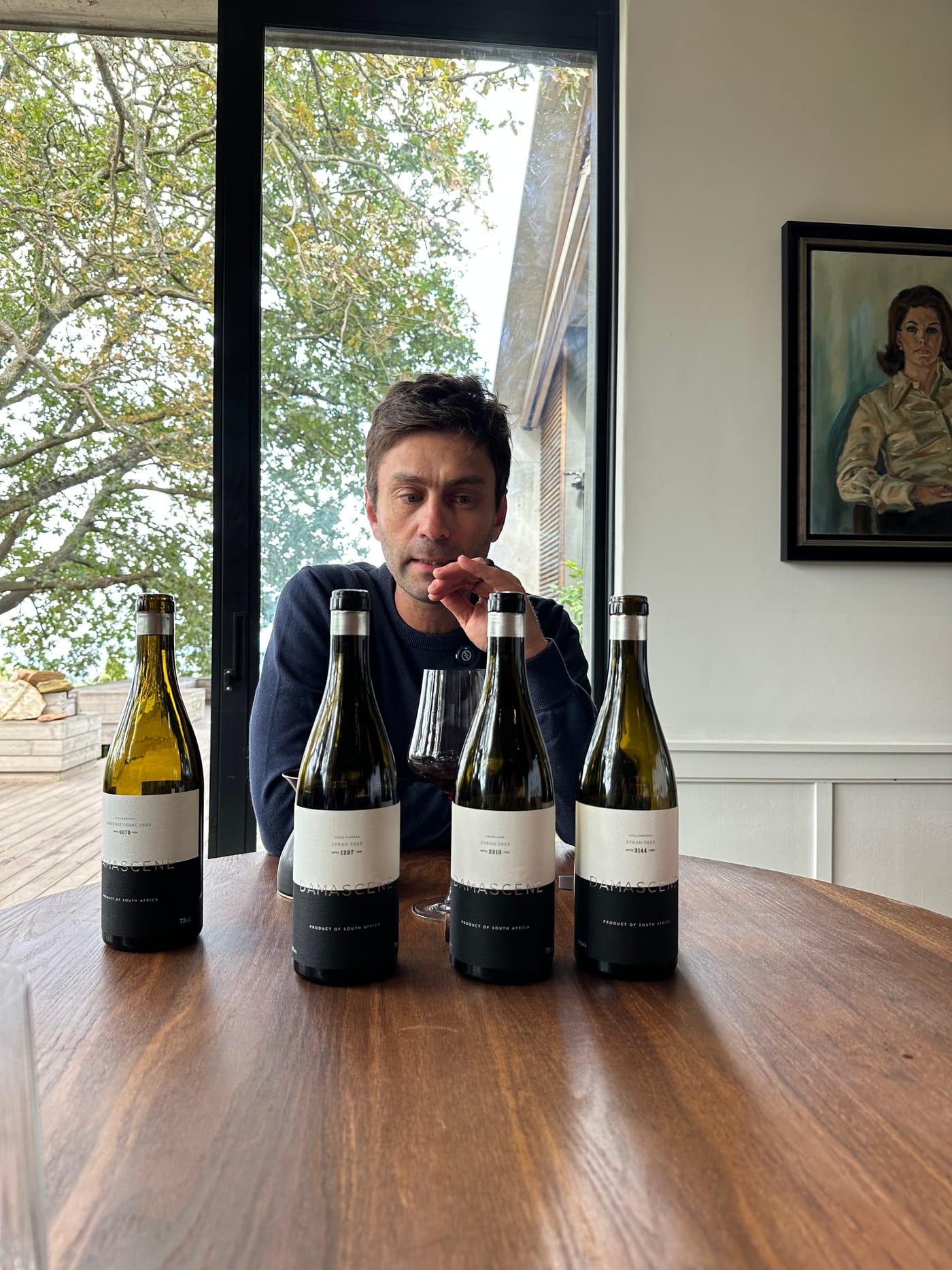
At Damascene, One Cellar Holds Many South Africas
At Damascene in Elgin, Jean Smit uses gentle cellar methods to preserve the differences among Franschhoek Sémillon, Stellenbosch Cabernet Franc, regional Syrah and Moya Meaker Riesling across South Africa’s Western Cape.

SAKE The Essential Guide
A complete introduction to sake, connecting rice, kōji, yeast, fermentation, classifications and service to explain how Japanese brewers transform a neutral grain into one of the world’s most technically complex beverages.

Thorvald Is Scaling in California Vineyards Before Full Autonomy
More than 100 Thorvald UV-C robots are expected to treat 2,600 acres of California vineyards in 2026. Research supports powdery mildew control, but cost, field reliability and a 1977 safety rule still limit full autonomy.