MENDOZA The Essential Guide
A complete introduction to Mendoza, connecting the Andes, irrigation, altitude, soils and subregions to explain how Argentina’s great desert wine region moved from volume and tradition to precision and world-class fine wine.
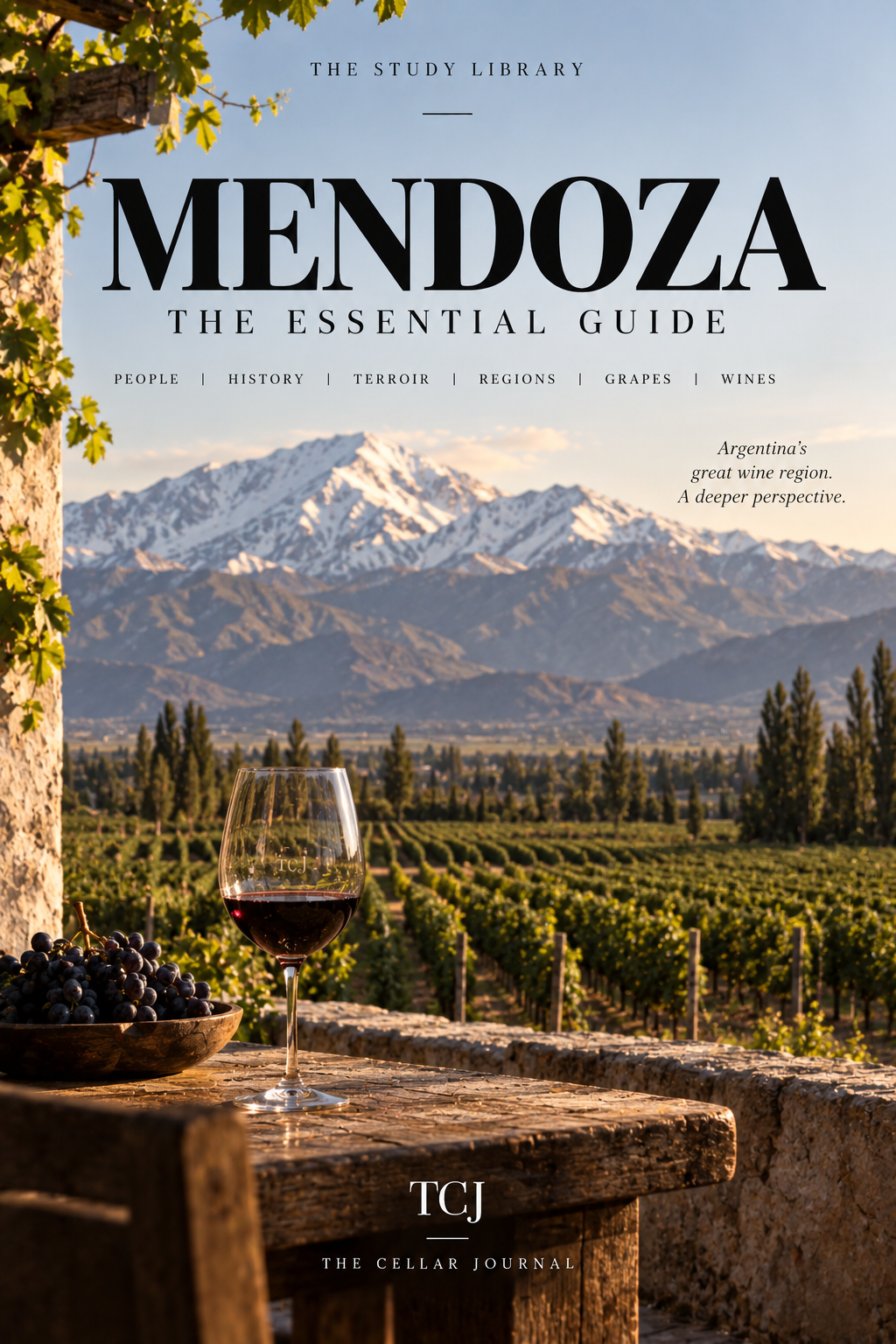
The Study Library · The Cellar Journal
Mendoza is the natural starting point for understanding modern Argentine wine. It is the country’s best known wine region, the historical centre of fine wine production and the place most responsible for Argentina’s international identity. Yet Mendoza is often reduced to a shortcut: Malbec, altitude and the Andes. All three matter, but none is sufficient on its own.
To understand Mendoza properly, it is necessary to begin with the territory itself. This is not a lush European wine landscape shaped by regular rainfall and gentle seasons. Mendoza is a high desert. Its vineyards exist because water from the Andes makes viticulture possible, and the region’s identity is inseparable from aridity, altitude, intense sunlight, poor alluvial soils and the constant tension between mountain freshness and desert severity. Laura Catena’s book repeatedly frames Argentina, and Mendoza in particular, through this combination of dramatic landscape, irrigation, altitude and cultural history, while treating the region as a mosaic of distinct areas rather than one uniform wine zone.
That is the key to reading Mendoza. It is not one vineyard plain producing one style of Malbec. It is a large, internally diverse wine territory in which small shifts in elevation, soil, exposure and distance from the Andes can significantly alter the character of the wine. The old heartlands of Maipú and Luján de Cuyo do not behave like the Uco Valley. Eastern Mendoza does not behave like Altamira. Agrelo does not behave like Tupungato.
Mendoza is therefore best understood not as a single region, but as a desert wine culture built at the foot of the Andes, with many different answers to the same fundamental conditions.
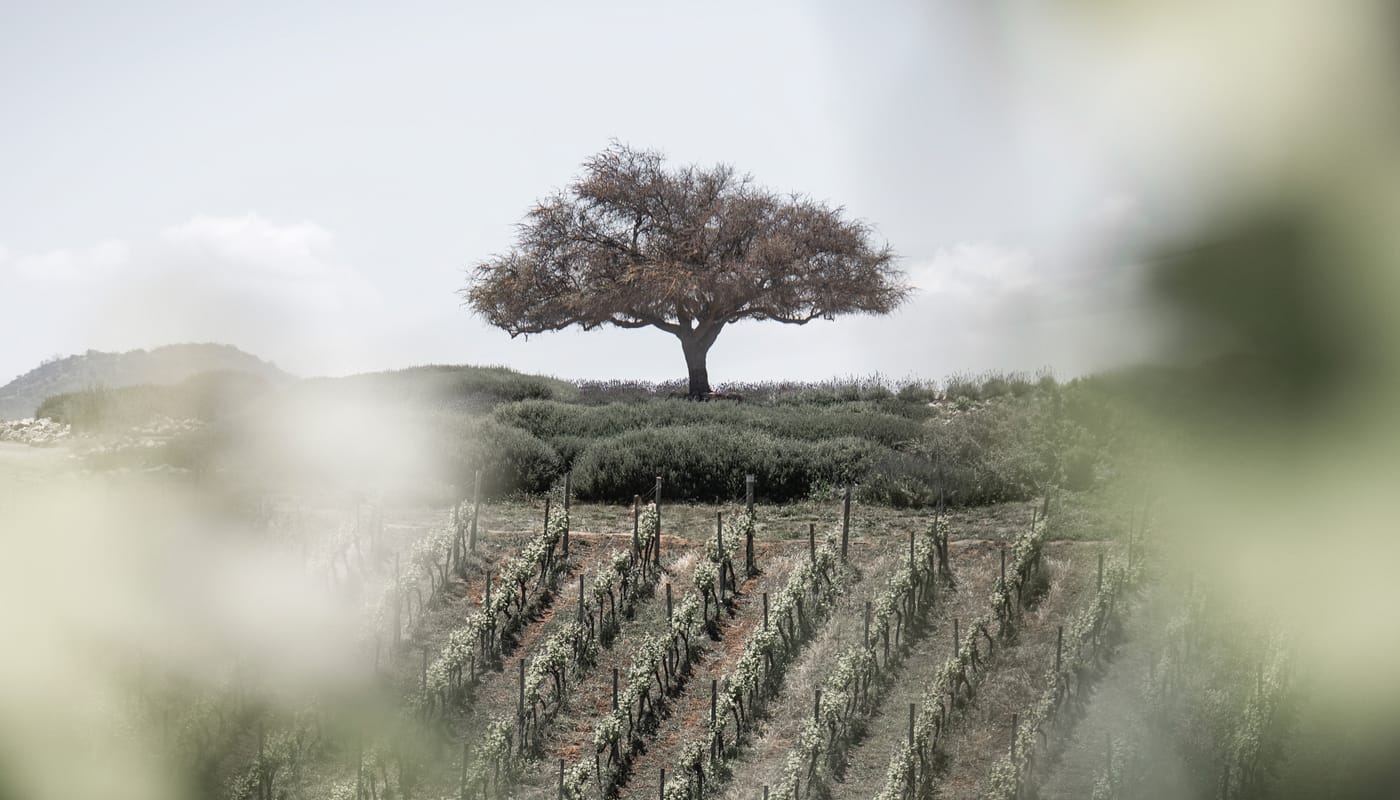
Casas del Bosque: Where Wine and Hospitality Meet in Every Detail
Casas del Bosque brings together cool-climate wines, restaurants, vineyard landscapes and carefully designed experiences, showing how hospitality can turn a visit to Casablanca into a deeper understanding of the region.
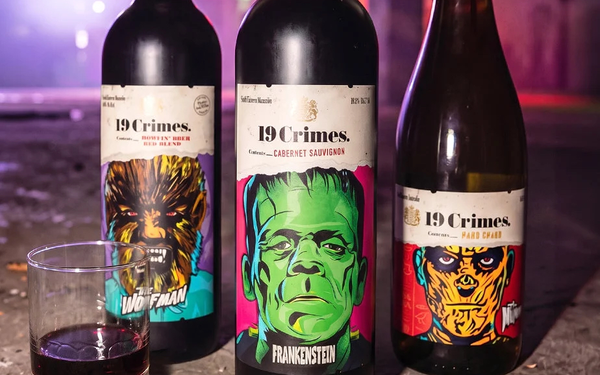
Why Wines Keep Rethinking the Label
Seasonal labels can give consumers a new reason to notice wine. The packaging may earn the first look, but the liquid must earn the second bottle.
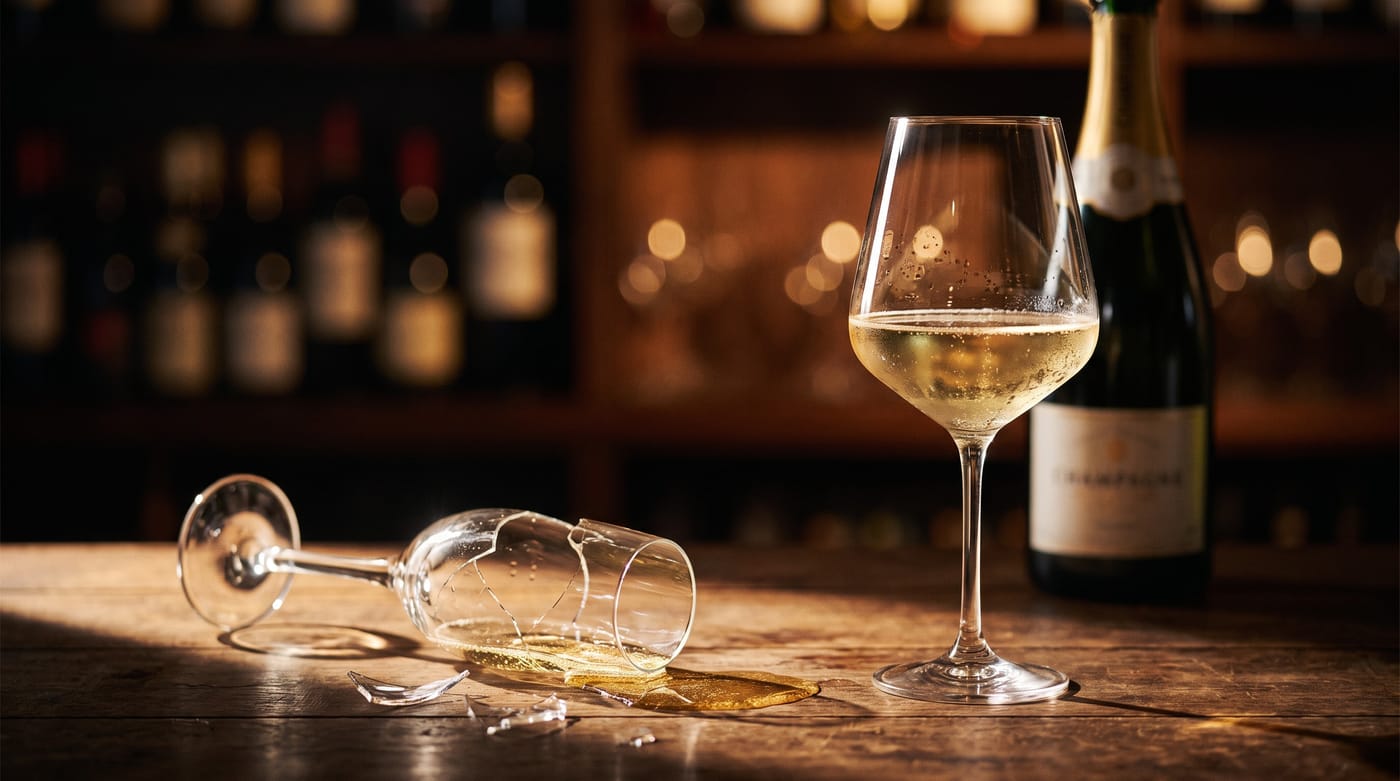
Champagne Beyond the Flute
The flute helped turn Champagne into a symbol of celebration. It also became one of the greatest obstacles to tasting it properly.