CHAMPAGNE The Essential Guide
A complete introduction to Champagne, connecting climate, geology, grapes, regions, history and winemaking to explain how place, blending, time and technique shape one of the world’s most complex wine regions.
The Study Library · The Cellar Journal
Champagne is usually introduced through its bubbles and the method used to produce them. Yet that is only the visible end of a much longer story. To understand Champagne properly, it is necessary to begin with the region itself: its northern latitude, marginal climate, complex geology and extraordinarily fragmented vineyard landscape.
Historically, ripening grapes in Champagne was difficult. Acidity was rarely in short supply, while achieving sufficient maturity could be a challenge. These conditions produced relatively lean, high-acid wines and eventually encouraged the development of one of the most sophisticated systems of wine production in the world. Pressing, assemblage, reserve wines, secondary fermentation and extended ageing were not created independently of Champagne's environment. They evolved alongside it.
This relationship between place and human intervention remains central to the region today. Vineyard origin has become increasingly important, particularly as individual villages and parcels receive greater attention, but Champagne has never been defined by terroir alone. The decisions made after harvest can be equally decisive. A producer may combine different varieties, villages, parcels and vintages before deciding how the base wines will ferment, whether malolactic fermentation will take place, how reserves will be managed, how long the wine will remain on its lees and how it will be balanced after disgorgement.
Champagne is therefore best understood through four interconnected elements: place, blending, time and technique. The purpose of this guide is to bring them together.
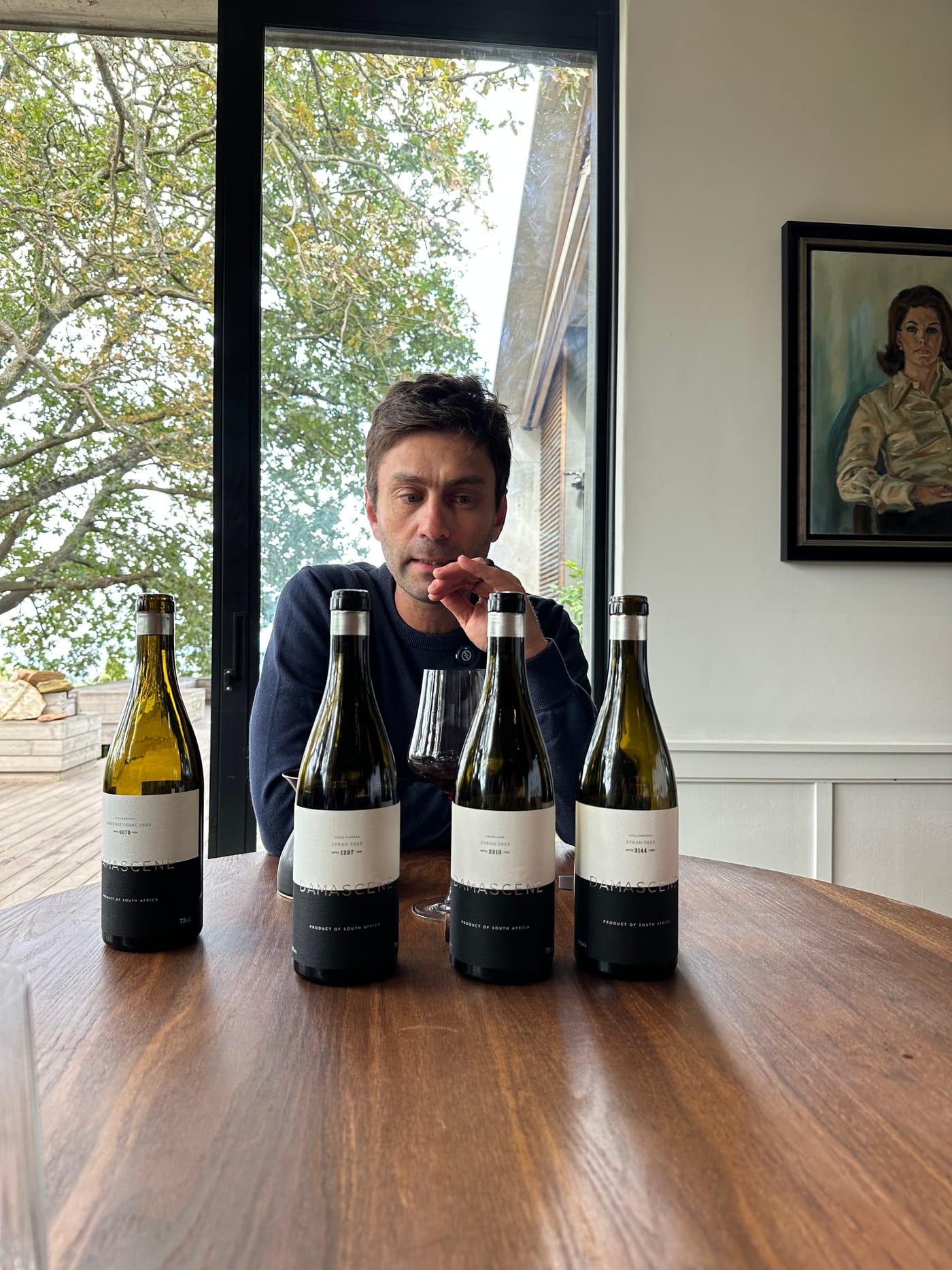
At Damascene, One Cellar Holds Many South Africas
At Damascene in Elgin, Jean Smit uses gentle cellar methods to preserve the differences among Franschhoek Sémillon, Stellenbosch Cabernet Franc, regional Syrah and Moya Meaker Riesling across South Africa’s Western Cape.
SAKE The Essential Guide
A complete introduction to sake, connecting rice, kōji, yeast, fermentation, classifications and service to explain how Japanese brewers transform a neutral grain into one of the world’s most technically complex beverages.

Thorvald Is Scaling in California Vineyards Before Full Autonomy
More than 100 Thorvald UV-C robots are expected to treat 2,600 acres of California vineyards in 2026. Research supports powdery mildew control, but cost, field reliability and a 1977 safety rule still limit full autonomy.