BURGUNDY The Essential Guide
A complete introduction to Burgundy, connecting its Climats, classification, history, geology, grapes and wine-growing regions to explain how place, vintage and people created one of the world’s most intricate systems of terroir.
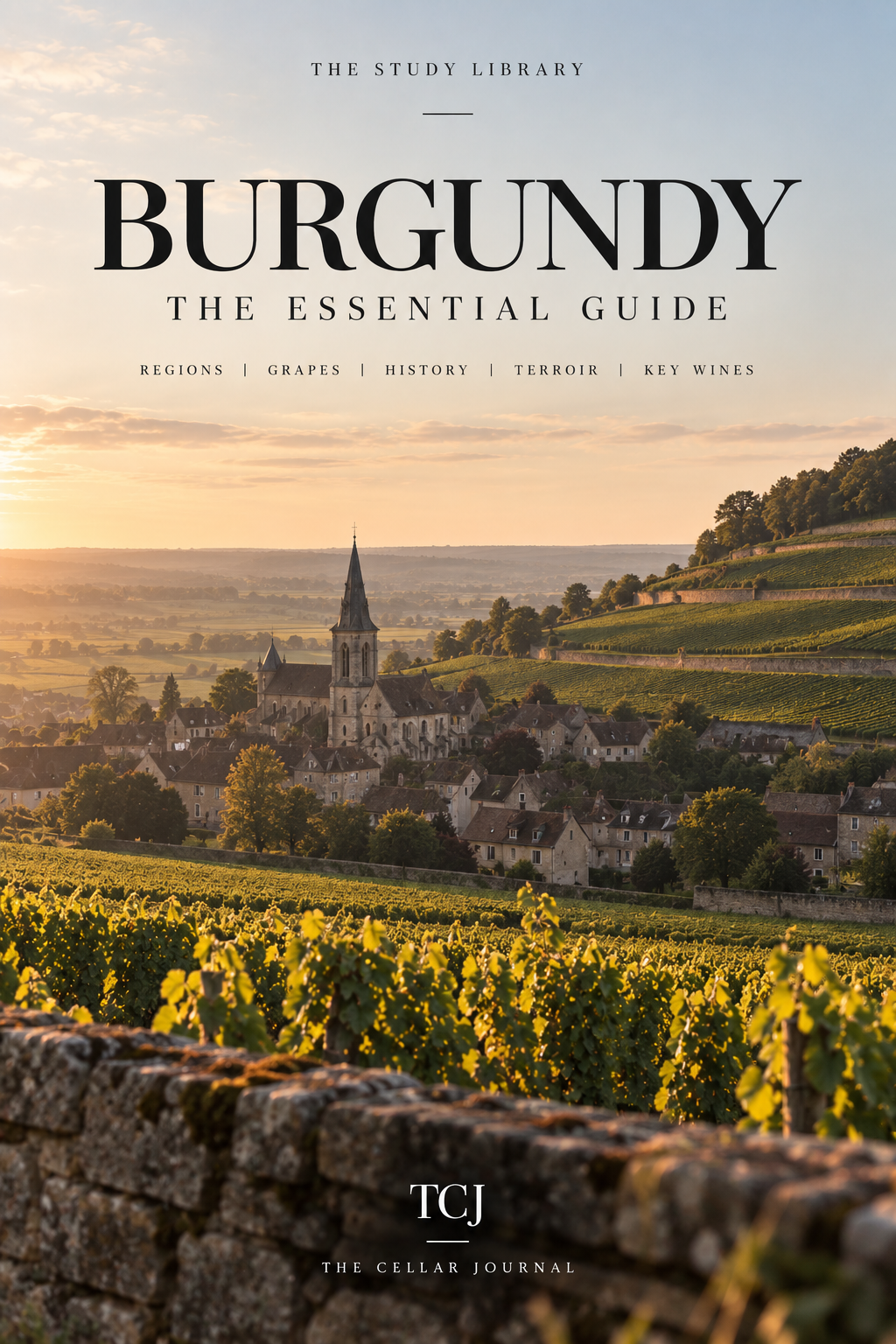
The Study Library · The Cellar Journal
Burgundy is often introduced as one of the most complicated wine regions in the world. The number of appellations, villages, vineyards and producers can certainly make it appear that way, but the principle underneath this complexity is remarkably coherent: Burgundy is organized around place.
As geographical origin becomes more precise, the identity of the wine becomes more specific. A regional Bourgogne may come from a relatively broad territory. A Village wine narrows that origin to a commune. A Premier Cru usually identifies a recognized vineyard within that village, while at Grand Cru level the vineyard itself generally becomes the appellation. This progression from region to village to individual site provides the framework through which Burgundy can be understood.
The complication is that geography never tells the entire story. Two producers working within the same vineyard may make wines that show noticeably different personalities, while two vintages can alter the expression of that site again. Vine age, farming, harvest decisions, extraction and élevage add further variables. Burgundy is therefore not simply a hierarchy of vineyards. It is a continuing dialogue between place, vintage and people.
Understanding that relationship is considerably more useful than trying to memorize hundreds of names.
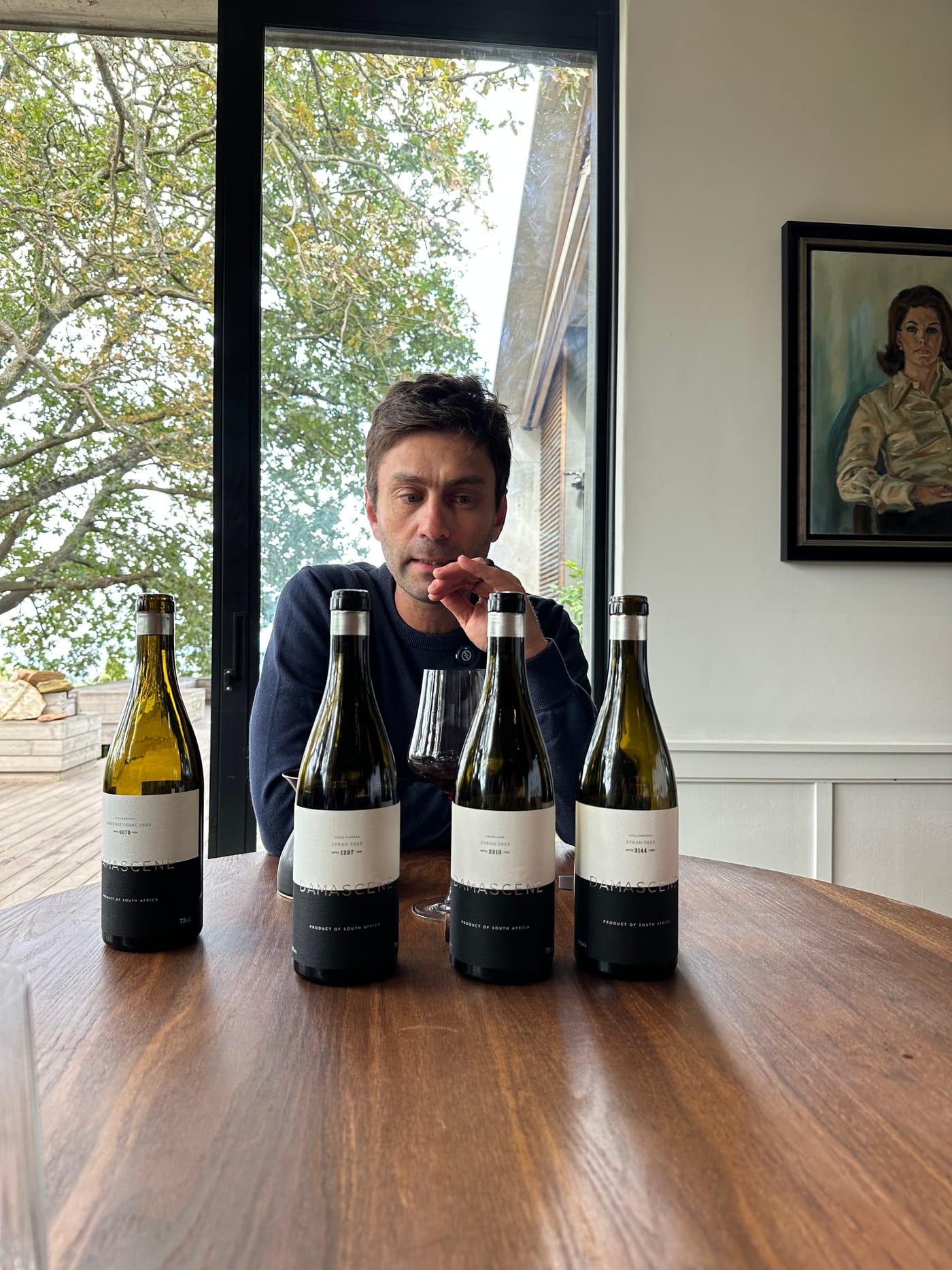
At Damascene, One Cellar Holds Many South Africas
At Damascene in Elgin, Jean Smit uses gentle cellar methods to preserve the differences among Franschhoek Sémillon, Stellenbosch Cabernet Franc, regional Syrah and Moya Meaker Riesling across South Africa’s Western Cape.
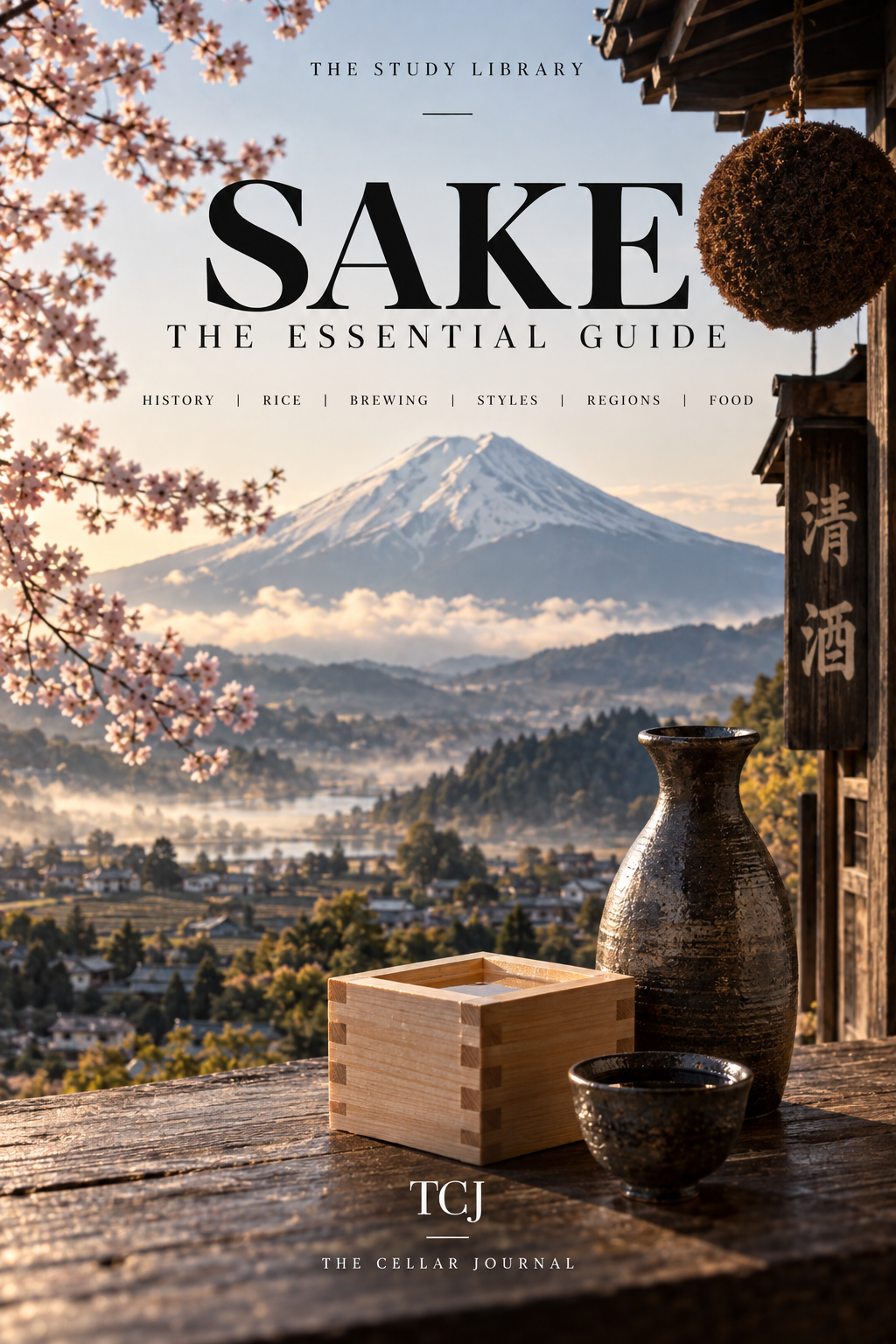
SAKE The Essential Guide
A complete introduction to sake, connecting rice, kōji, yeast, fermentation, classifications and service to explain how Japanese brewers transform a neutral grain into one of the world’s most technically complex beverages.

Thorvald Is Scaling in California Vineyards Before Full Autonomy
More than 100 Thorvald UV-C robots are expected to treat 2,600 acres of California vineyards in 2026. Research supports powdery mildew control, but cost, field reliability and a 1977 safety rule still limit full autonomy.