AMARONE DELLA VALPOLICELLA The Essential Guide
A complete introduction to Amarone della Valpolicella, connecting its hills, grapes, history and appassimento tradition to explain how one of Italy’s great red wines is shaped by the tension between place and transformation.
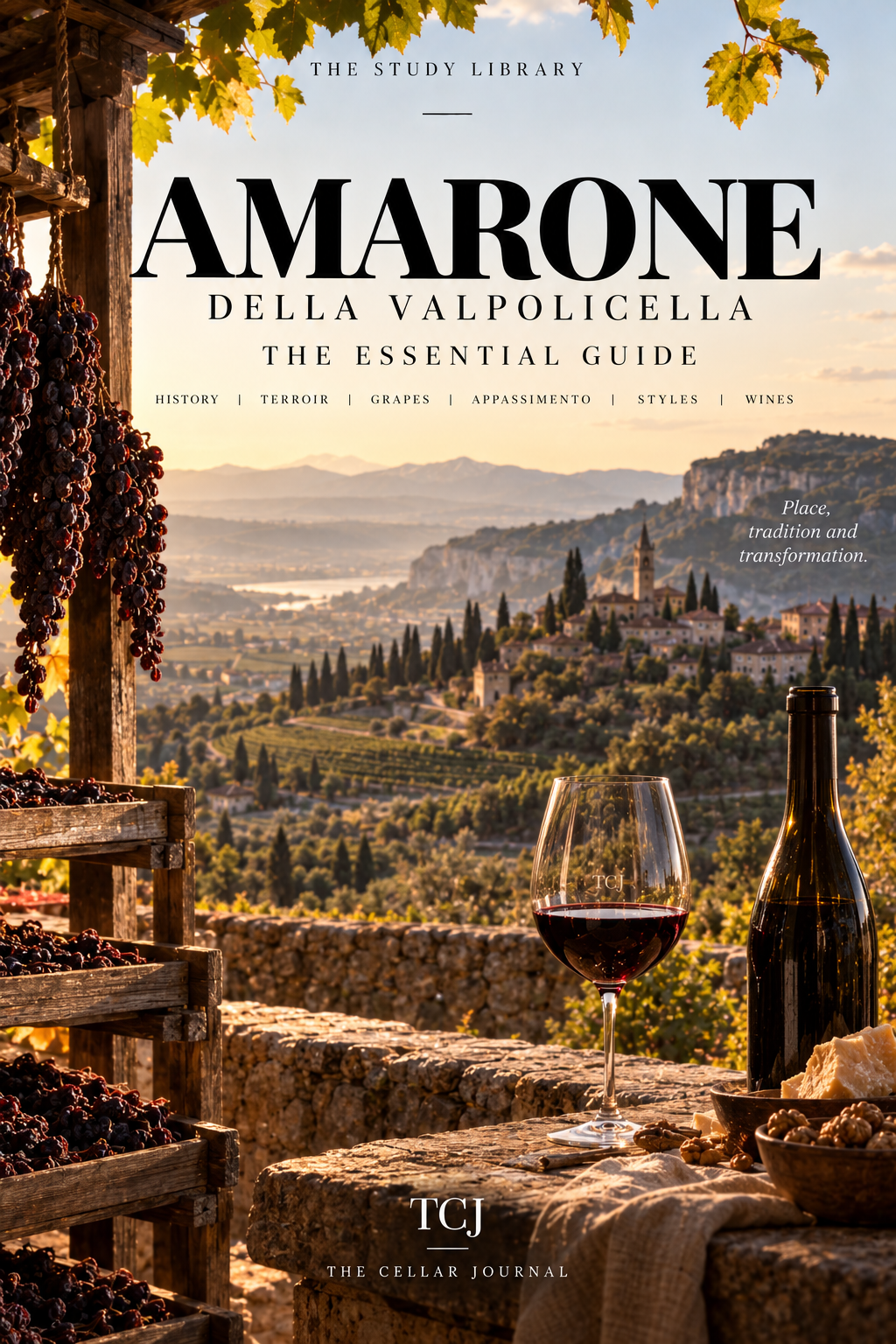
The Study Library · The Cellar Journal
Amarone della Valpolicella is one of Italy's most recognizable red wines, yet it is also one of the easiest to misunderstand. Its concentration, alcohol, dried-fruit character and extended ageing can make Amarone appear to be primarily a style created in the cellar. In part, it is. Few major fine wines depend so fundamentally on a deliberate transformation of the harvested grape before fermentation begins.
But Amarone is not simply the result of appassimento.
Its identity begins in Valpolicella, in the hills north of Verona, where valleys descending from the Lessini Mountains create a complex landscape of altitude, exposure, limestone, marl, volcanic material and alluvial deposits. Corvina, Corvinone and Rondinella respond differently across these sites, and the fruit selected for drying already carries the conditions of the vineyard into the fruttaio.
Then the process changes everything.
For weeks or months after harvest, grapes lose water while sugars, acids, phenolics and flavour compounds become increasingly concentrated. Fermentation takes place considerably later than in most red-wine regions, and the resulting wine combines the signatures of both vineyard and method.
This is the central tension in understanding Amarone: how much of the finished wine comes from place, and how much comes from appassimento?
The greatest Amarone does not require us to choose between the two.
It requires them to work together.
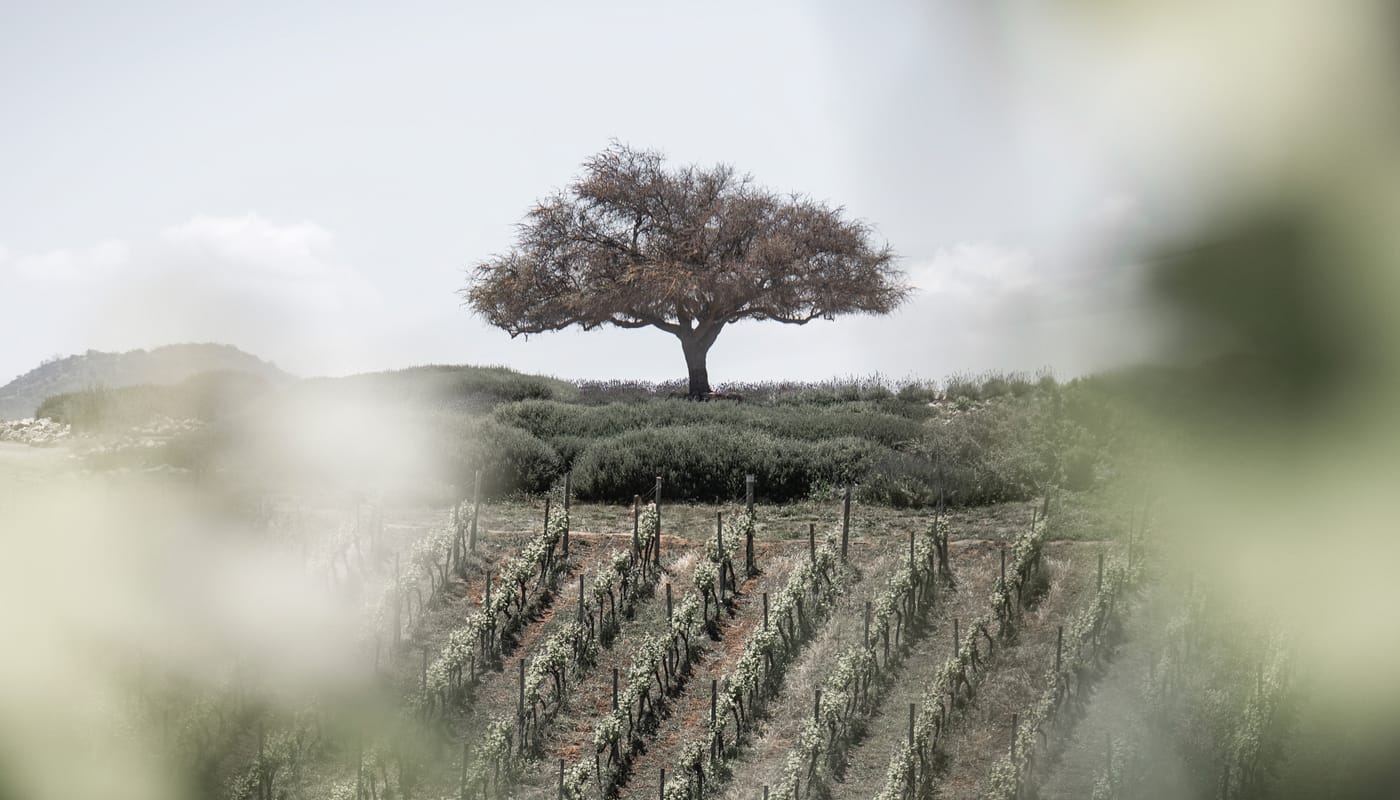
Casas del Bosque: Where Wine and Hospitality Meet in Every Detail
Casas del Bosque brings together cool-climate wines, restaurants, vineyard landscapes and carefully designed experiences, showing how hospitality can turn a visit to Casablanca into a deeper understanding of the region.
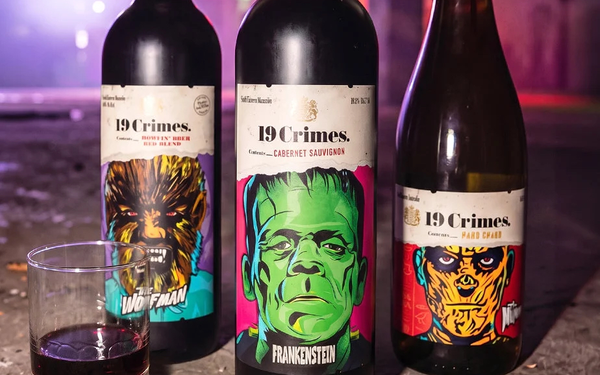
Why Wines Keep Rethinking the Label
Seasonal labels can give consumers a new reason to notice wine. The packaging may earn the first look, but the liquid must earn the second bottle.
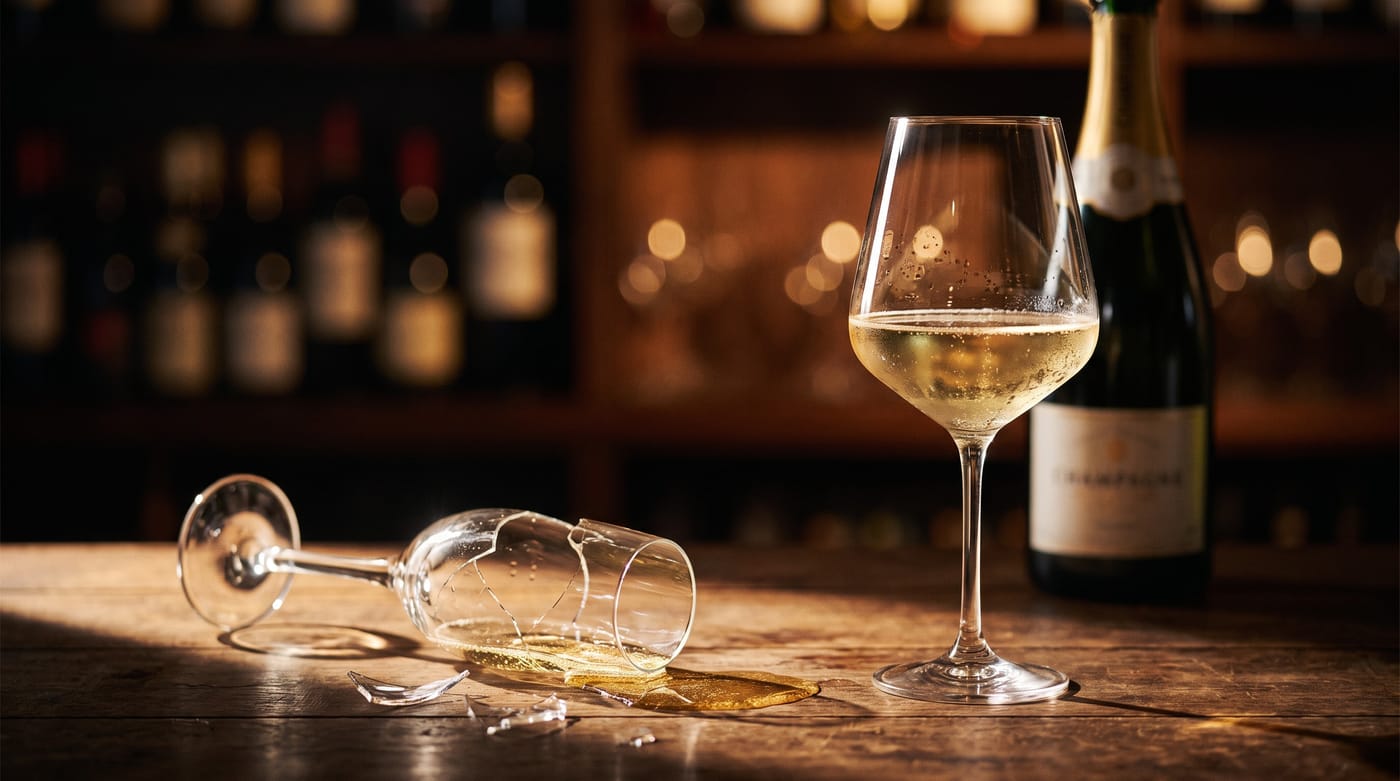
Champagne Beyond the Flute
The flute helped turn Champagne into a symbol of celebration. It also became one of the greatest obstacles to tasting it properly.