Why Millésime Bio Is Shrinking for 2027
Millésime Bio is planning fewer exhibitors and one less hall for 2027. The decision reflects falling attendance, cautious producers and growing pressure across the wider wine industry.

The leading organic wine trade fair will use one fewer hall and plan for fewer exhibitors after attendance fell again in 2026. The contraction is significant, but it is not a simple verdict on organic wine.
What happened
Millésime Bio is preparing a smaller edition for 2027.
SudVinBio, the association behind the Montpellier trade fair, expects between 1,200 and 1,300 exhibitors for its 34th edition, scheduled for January 25 to 27. That compares with 1,400 exhibitors in 2026 and 1,500 in 2025.
The reduction means one fewer exhibition hall. Organisers have left open the possibility of restoring the space if registrations rise unexpectedly before the deadline.
Visitor numbers have also moved lower. The fair registered 8,700 entries in 2026, compared with 9,500 in 2025 and a record 10,300 in 2023. Attendance has therefore fallen by almost 16 percent from its recent peak.
A fair designed as a marketplace
Created in 1993, Millésime Bio is not organised around elaborate stands or large brand installations. Exhibitors receive the same basic equipment, and the organiser verifies the organic certification of the products presented.
The model is deliberately commercial. Producers, importers, buyers and distributors meet in an environment where the wine is intended to carry more weight than the size of the stand.
That makes the reduction relevant. Millésime Bio is one of the clearest places to observe the commercial confidence of organic producers. A decision to exhibit requires stock, travel, staff and a belief that the meetings will justify the expense.
Why the fair is getting smaller
SudVinBio president Julien Franclet linked the adjustment to the difficult conditions facing the wider wine industry.
Several years of reduced yields have left some producers uncertain about the volumes they will have available. According to the organiser, many wineries are delaying their decision until closer to the registration deadline.
The calendar is another factor. Millésime Bio takes place within weeks of Levée de la Loire and Wine Paris. Producers and buyers must decide how many fairs they can attend, where they are most likely to find relevant contacts and whether the cost of participating in multiple events remains justified.
The smaller format is therefore partly defensive and partly practical. SudVinBio wants to maintain a workable balance between exhibitors and visitors rather than filling another hall with producers competing for fewer meetings.
What the numbers do not prove
The decline should not automatically be read as evidence that the market is abandoning organic wine.
Millésime Bio sits inside a wine industry already dealing with weaker consumption, rising costs, uncertain harvest volumes and greater competition for buyers. Its attendance figures also reflect the increasing concentration of the European trade calendar around larger events.
There is not yet enough information to separate these pressures. Final exhibitor registrations have not been published, nor has SudVinBio detailed how the reduction will be distributed between French and international producers.
It is also unclear whether visitor numbers are falling because fewer buyers are interested in organic wine or because those buyers are concentrating their travel around fewer fairs.
The 2027 response
The organiser plans to expand the winery tours introduced in 2026 and increase the use of regional group stands. The regional layout was positively received during the previous edition and is intended to make the fair easier to navigate.
This suggests that Millésime Bio is not simply reducing capacity. It is trying to increase the value of each visit by creating denser commercial contact and clearer regional organisation.
One fewer hall may therefore improve the fair if the remaining space feels more active and meetings become easier to arrange. The real test will not be the final floor area, but the quality and international reach of the buyers who attend.
TCJ View
Trade fairs often reveal pressure before broader market statistics do. Producers can postpone a stand, reduce travel or select one event instead of three long before they change their vineyard strategy or organic certification.
Millésime Bio’s contraction is therefore a meaningful signal. It shows that organic producers are exposed to the same economic conditions affecting the rest of the wine industry. Certification and environmental positioning do not remove the pressure created by weaker demand, lower yields and higher commercial costs.
But smaller does not necessarily mean weaker. SudVinBio appears to be choosing density over scale, protecting the quality of contact rather than defending an exhibitor record.
The important message is not that organic wine has lost relevance. It is that relevance alone is no longer enough to protect producers from the economics reshaping the wine trade.
Sources
WINE TASTING The Essential Guide
The Study Library · The Cellar Journal Wine tasting can look far more complicated than it really is. A professional puts their nose into a glass and starts talking about blackcurrants, violets, graphite, leather or wet stones, while someone listening may reasonably wonder whether all of those things are actually there,
ENGLISH WINE The Essential Guide
A complete introduction to English wine, connecting climate, geology, grapes, sparkling wine and modern history to explain how a marginal wine country became one of the world’s most dynamic cool-climate regions.
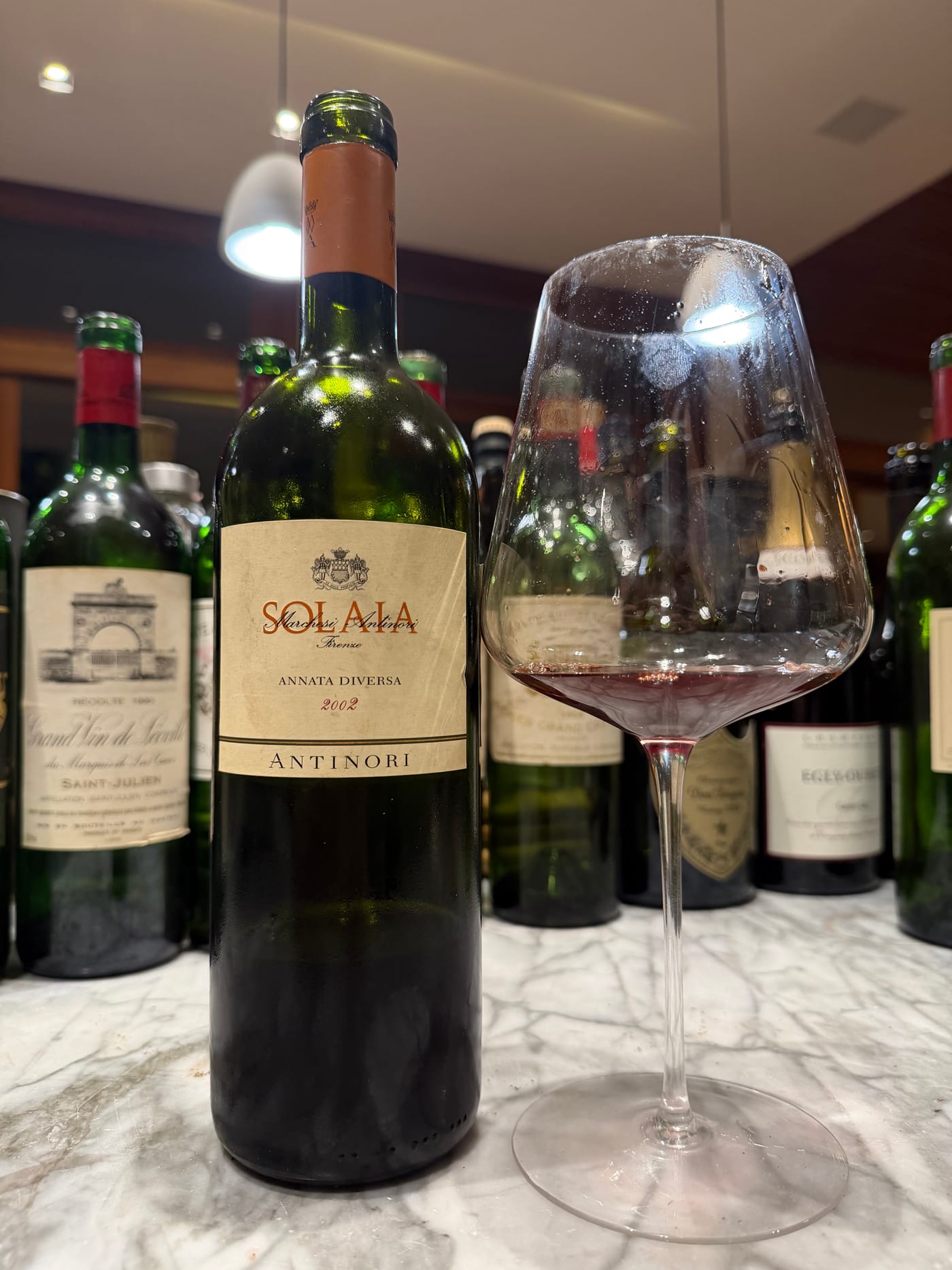
Solaia Annata Diversa 2002: A Different Vintage, a Singular Wine
Solaia 2002 is the only vintage to carry the words Annata Diversa, after a difficult Tuscan season removed Sangiovese from the blend. More than two decades later, the wine was alive, elegant and finely textured, with the composure of mature Bordeaux and an identity entirely its own.