When a Wine Barrel Becomes Public Art
Temecula Valley turns 42 retired wine barrels into permanent public art. TCJ examines how the trail connects artists, agriculture and regional identity.
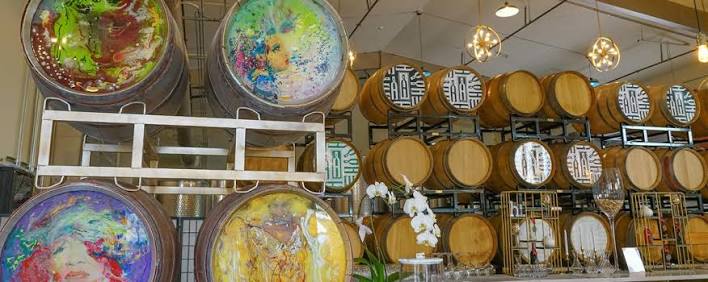
Temecula Valley is placing 42 artist-painted barrels across wineries, civic spaces and local businesses. The project asks whether a familiar production object can become cultural infrastructure for an entire region.
What happened
Temecula Valley will open a permanent Barrel Art Trail on September 1, the first day of California Wine Month. The project was created by Visit Temecula Valley and the Temecula Valley Winegrowers Association, which invited local wineries and businesses to commission artists to transform retired wine barrels into individual works.
The official directory identifies 42 numbered installations distributed across three parts of the destination: Wine Country, locations around the city and Old Town Temecula. The hosts extend beyond wineries. The route includes hotels, restaurants, shops, a heritage garden, City Hall and the Temecula Valley Museum. It is free, self-guided and intended to remain accessible throughout the year.
Its launch also fits the 2026 California Wine Month theme, Pour Outside the Lines. The Wine Institute presents September as a statewide conversation about the people, places and perspectives that shape California wine. Temecula has interpreted that invitation literally by moving a production object out of the cellar and into the public landscape.
What is confirmed
The trail is not a temporary September display. Visit Temecula Valley describes it as a permanent attraction and publishes the participating locations and credited artists. A digital pass is planned to provide an interactive directory and limited offers from selected businesses, although the official page still labels that pass as coming soon.
The number 42 requires precision. The press release says that 42 artists were commissioned. The official directory, however, repeats several artist names and includes collaborative works. What can be verified is the presence of 42 numbered barrel installations. Public information does not establish that 42 different individual artists participated.
The broader regional context is also documented. The Temecula Valley Winegrowers Association describes a wine country of 33,000 acres and 47 wineries between the Southern California coast and inland mountains. The Barrel Art Trail does not attempt to explain that landscape through grape varieties, geology or cellar technique. It uses one recognisable object to connect businesses and civic spaces that would otherwise sit on separate visitor maps.
Why the barrel matters
A barrel is one of wine's most legible symbols. That familiarity makes it effective, but also dangerous. In many regions, old barrels become generic decoration, detached from cooperage, ageing or the agricultural work that once gave them a function. Painting a barrel does not automatically turn it into meaningful public art.
Temecula's project becomes more interesting through distribution. The barrel is repeated across wineries, Old Town, hotels, restaurants, City Hall and the museum. It becomes a system of markers rather than a single decorative object. The trail gives residents and visitors a reason to understand the valley as connected territory, not simply a collection of tasting rooms.
That distinction matters for wine culture. Regional identity becomes stronger when it can be encountered through landscape, architecture, food, history and art, without requiring every interaction to be centred on consumption. The barrel retains its agricultural origin, while the artist is allowed to give it a second language.
What remains unknown
The organisers have not published the total budget, the method used to select artists, individual artist fees, ownership of the completed works or the maintenance plan for objects exposed to weather and public contact. There is also no baseline against which the trail's visitor, commercial or cultural impact can be measured.
The digital pass creates another unresolved question. Its map can make a dispersed artwork easier to find, but limited offers also convert cultural wayfinding into commercial circulation. That does not invalidate the project. It does mean that the trail should be understood as both public art and destination marketing, rather than presented as if those purposes were separate.
Permanence will be the real test. The works may continue to carry their artists' names, receive maintenance and become part of local memory. They may also fade into themed furniture after the launch campaign ends. No current source can establish which outcome will follow.
TCJ View
Wine regions frequently use culture as an accessory. Concerts, exhibitions and design appear around the product, but rarely change how the territory itself is read. Temecula's Barrel Art Trail has a better starting point because it is dispersed, free and permanent. It places local artists inside the regional narrative and extends that narrative beyond winery property.
The initiative also shows how a younger wine region can build memory deliberately. Temecula does not possess the centuries of civic wine architecture found in many European appellations. It can, however, create a contemporary visual archive from its own agricultural objects and local artistic community. Cultural legitimacy does not need to imitate inherited prestige.
For TCJ, the project will deserve attention if the artists remain as visible as the businesses hosting their work. The strongest version of the trail is not a series of promotional stops. It is a regional collection in which the barrel records one life in agriculture and receives another in public space. The measure of success will not be how often the installations appear on social media during California Wine Month, but whether Temecula still considers them part of its cultural identity years later.
Sources
Wine Industry Advisor: press release announcing the Temecula Valley Barrel Art Trail
https://wineindustryadvisor.com/2026/08/24/september-is-california-wine-month-temecula-valleys-barrel-art-trail-turns-retired-wine-barrels-into-public-art/
Visit Temecula Valley: official Barrel Art Trail directory, locations, artists and FAQs
https://www.visittemeculavalley.com/barrel-trail/
Wine Institute: 2026 California Wine Month campaign and Pour Outside the Lines theme
https://wineinstitute.org/our-work/responsibility/cwm-toolkit/
Temecula Valley Winegrowers Association: official regional profile and current winery count
https://www.temeculawines.org/
City of Temecula: municipal cultural arts programmes and public art context
https://temeculaca.gov/301/Community-Services
WINE TASTING The Essential Guide
The Study Library · The Cellar Journal Wine tasting can look far more complicated than it really is. A professional puts their nose into a glass and starts talking about blackcurrants, violets, graphite, leather or wet stones, while someone listening may reasonably wonder whether all of those things are actually there,
ENGLISH WINE The Essential Guide
A complete introduction to English wine, connecting climate, geology, grapes, sparkling wine and modern history to explain how a marginal wine country became one of the world’s most dynamic cool-climate regions.
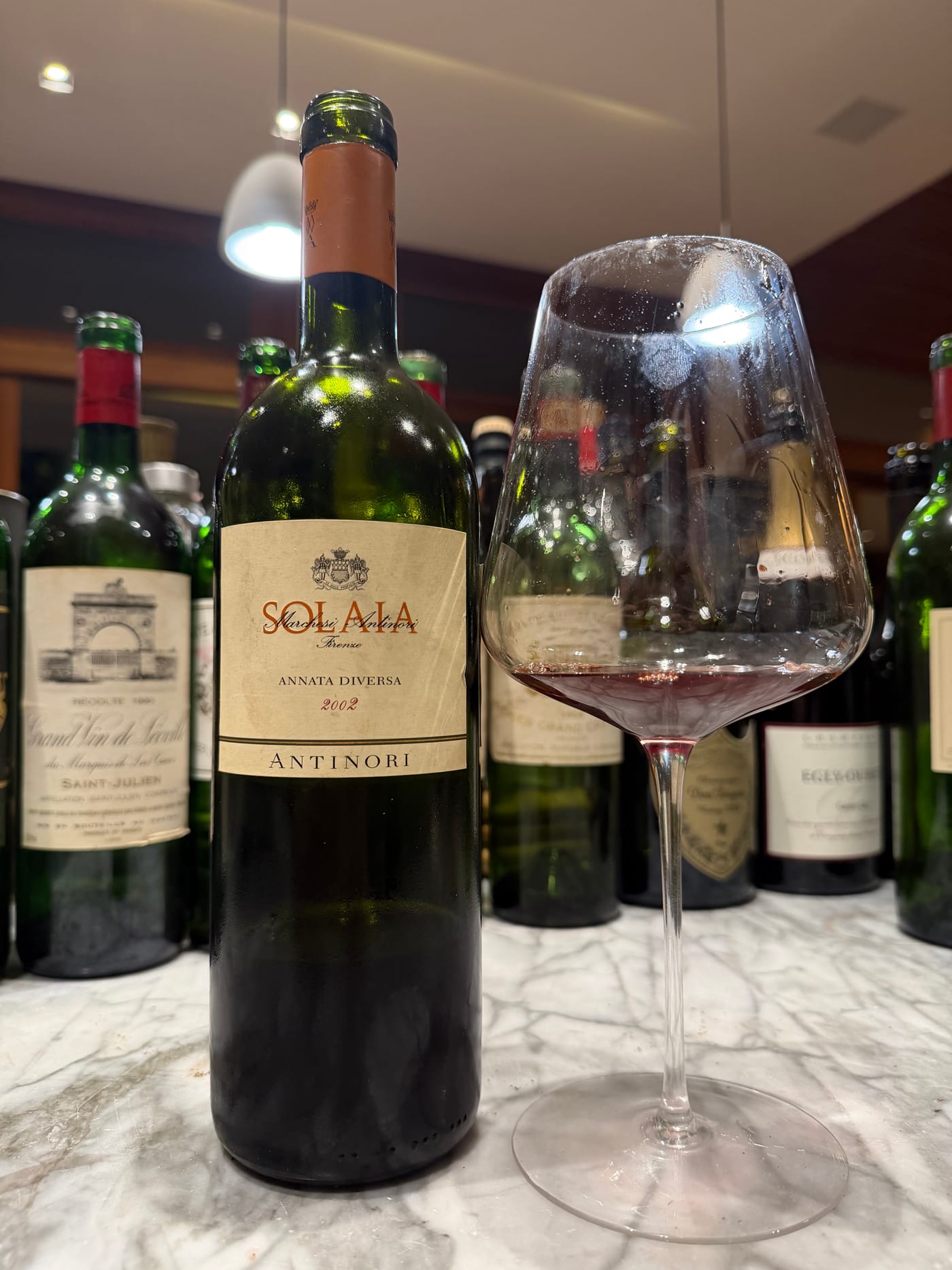
Solaia Annata Diversa 2002: A Different Vintage, a Singular Wine
Solaia 2002 is the only vintage to carry the words Annata Diversa, after a difficult Tuscan season removed Sangiovese from the blend. More than two decades later, the wine was alive, elegant and finely textured, with the composure of mature Bordeaux and an identity entirely its own.