What Haut-Brion Chooses to Remember
A new book opens Château Haut-Brion’s private library to the public. Behind its 7,000 objects lies a larger story about how wine became a named place, entered the culture of the table and learned to preserve its own history.
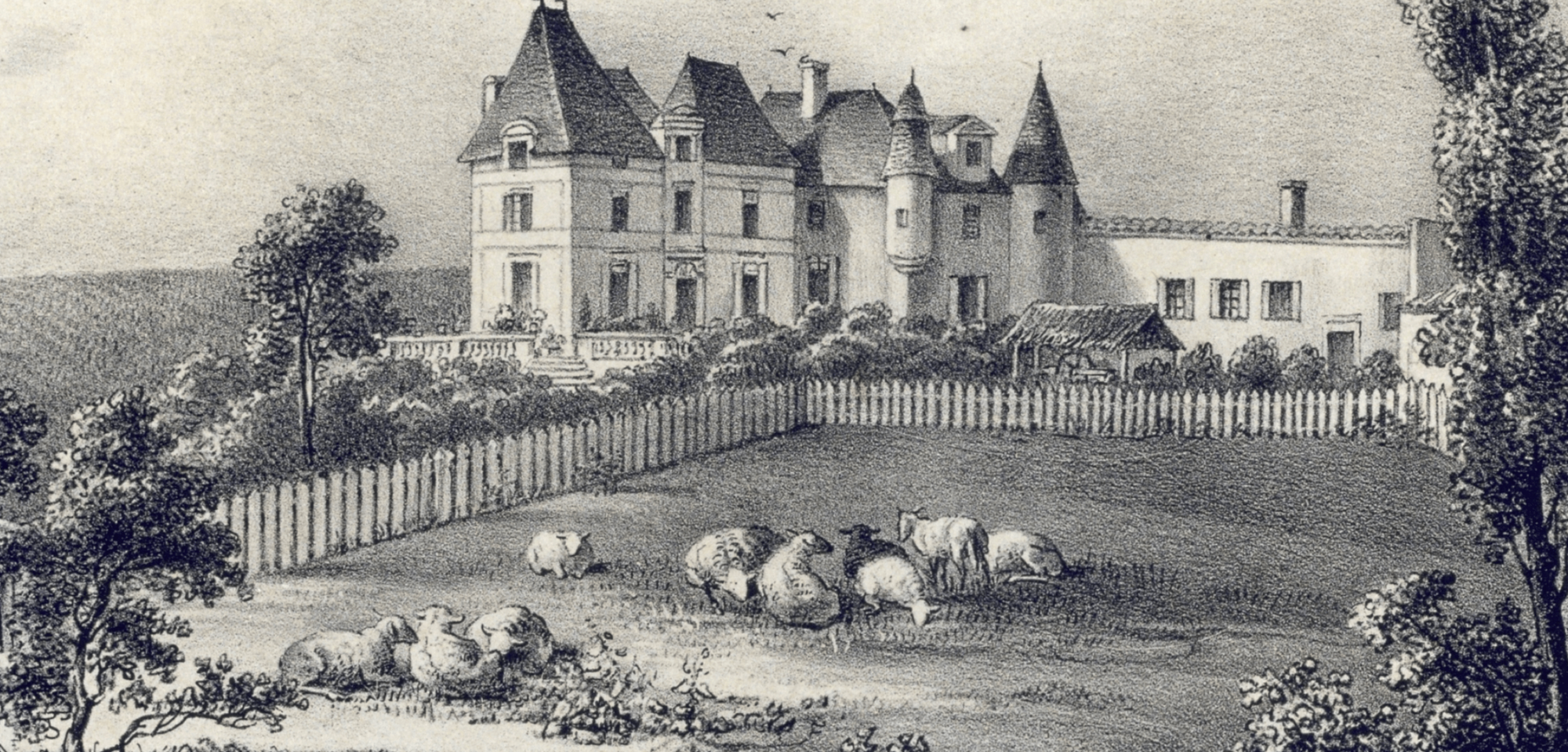
A new book opens Château Haut-Brion’s private library to the public. Behind its 7,000 objects lies a larger story about how wine became a named place, entered the culture of the table and learned to preserve its own history.
The argument
A cellar preserves vintages. An archive preserves why they mattered.
That distinction gives meaning to A Story of Gastronomy & Wine, the first book devoted to the Château Haut-Brion Library. Published by Rizzoli in September 2026, the 448-page volume presents more than 150 rare documents through approximately 700 images. Its scale is impressive, but scale alone is not the story. The book matters because it reveals what one of Bordeaux’s oldest estates believes belongs inside the history of wine.
The answer extends far beyond bottles and harvests. The collection assembled by Prince Robert of Luxembourg since 2010 now contains more than 7,000 pieces: rare books, manuscripts, engravings, artworks, historic menus, restaurant wine lists and original correspondence. A sixth-century Egyptian papyrus sits within the same intellectual territory as medieval illuminations, seventeenth-century Japanese banquet scrolls, records from the tables of Versailles, early restaurant guides and writings by Antonin Carême and Brillat-Savarin.
This is not simply an estate archive expanded into a luxury publication. It is an attempt to place wine inside the wider history of appetite, hospitality, politics and taste. Haut-Brion provides the setting, but the subject is the table as a cultural institution.
A new book but not a new history
The library is remarkably young. Terre de Vins notes that the collection was built in roughly fifteen years, rather than inherited intact through the generations that governed the property. Two signed books by Carême were among Prince Robert’s early acquisitions and became a foundation for the project. The connection was not accidental. Carême worked for Charles-Maurice de Talleyrand-Périgord, the diplomat who owned Haut-Brion from 1801 to 1804 and understood that cuisine could be an instrument of influence.
This is a point of view, not a verdict. Disagree with us — write to the editors.
WINE TASTING The Essential Guide
The Study Library · The Cellar Journal Wine tasting can look far more complicated than it really is. A professional puts their nose into a glass and starts talking about blackcurrants, violets, graphite, leather or wet stones, while someone listening may reasonably wonder whether all of those things are actually there,
ENGLISH WINE The Essential Guide
A complete introduction to English wine, connecting climate, geology, grapes, sparkling wine and modern history to explain how a marginal wine country became one of the world’s most dynamic cool-climate regions.
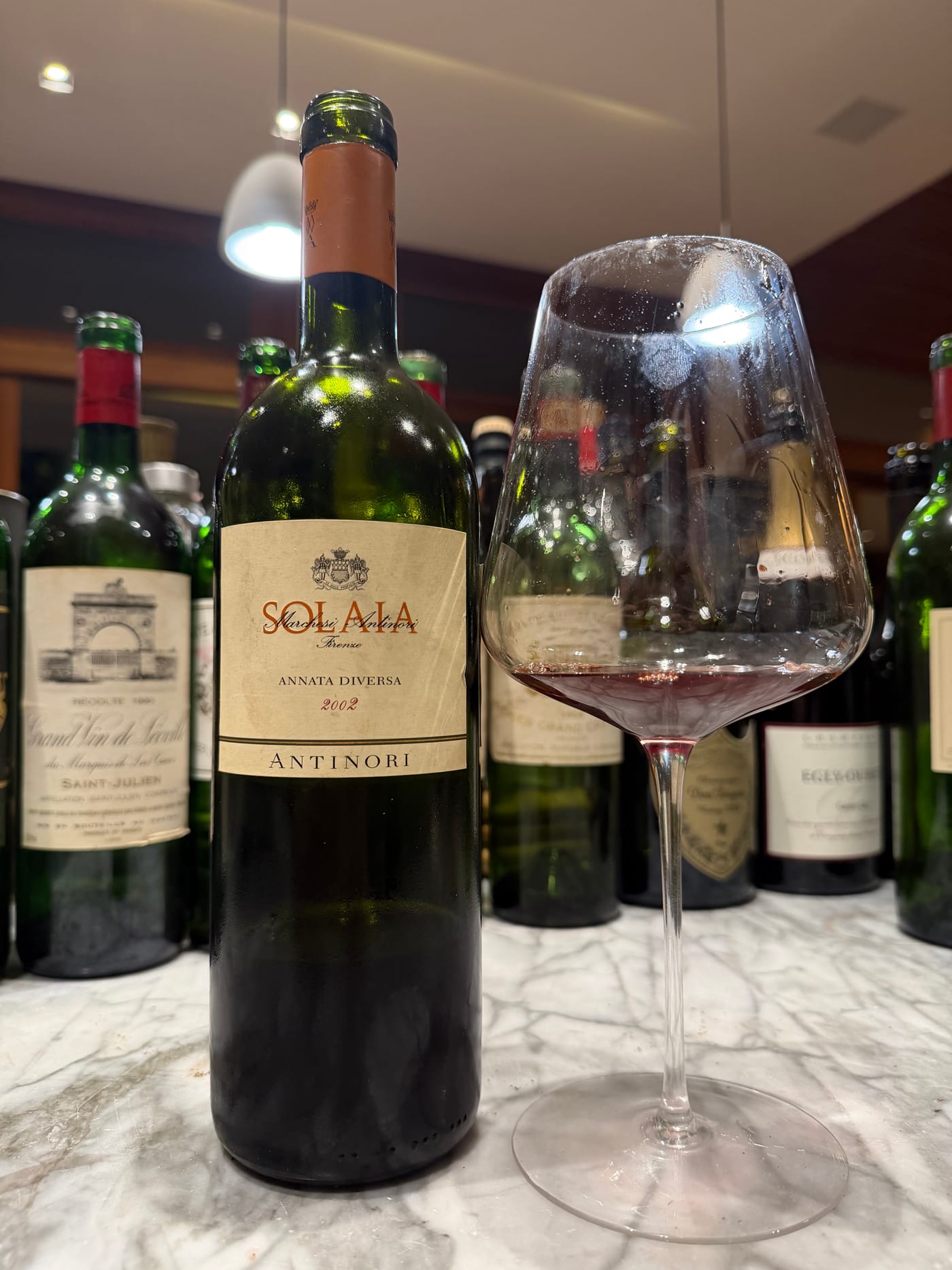
Solaia Annata Diversa 2002: A Different Vintage, a Singular Wine
Solaia 2002 is the only vintage to carry the words Annata Diversa, after a difficult Tuscan season removed Sangiovese from the blend. More than two decades later, the wine was alive, elegant and finely textured, with the composure of mature Bordeaux and an identity entirely its own.