The Last Winemaking Decision
Wine closures are more than packaging. This Perspective compares natural cork, screwcap and technical alternatives through TCA, oxygen transmission, recorking, ageing and sustainability, showing why the final seal is also the last winemaking decision.

The argument
The closure is the last winemaking decision, but it is usually the first one the drinker physically encounters.
Everything before it is familiar to the language of wine: vineyard, harvest, fermentation, élevage, blending, filtration or its refusal. Then the bottle is sealed and the vocabulary changes. The closure is treated as packaging, a procurement line, sometimes a ritual. Yet from that moment onward it regulates the environment in which every earlier decision must survive.
For a wine intended to be opened within a year, that responsibility may be modest. For a bottle expected to remain coherent for twenty, forty or seventy years, it is part of the wine's architecture. A closure can protect fruit, admit or release oxygen, vary from bottle to bottle, carry a taint, preserve reduction, lose elasticity, complicate provenance or make the simple act of opening feel inseparable from the experience. It cannot create greatness. It can determine whether greatness arrives intact.
This is a point of view, not a verdict. Disagree with us — write to the editors.
WINE TASTING The Essential Guide
The Study Library · The Cellar Journal Wine tasting can look far more complicated than it really is. A professional puts their nose into a glass and starts talking about blackcurrants, violets, graphite, leather or wet stones, while someone listening may reasonably wonder whether all of those things are actually there,
ENGLISH WINE The Essential Guide
A complete introduction to English wine, connecting climate, geology, grapes, sparkling wine and modern history to explain how a marginal wine country became one of the world’s most dynamic cool-climate regions.
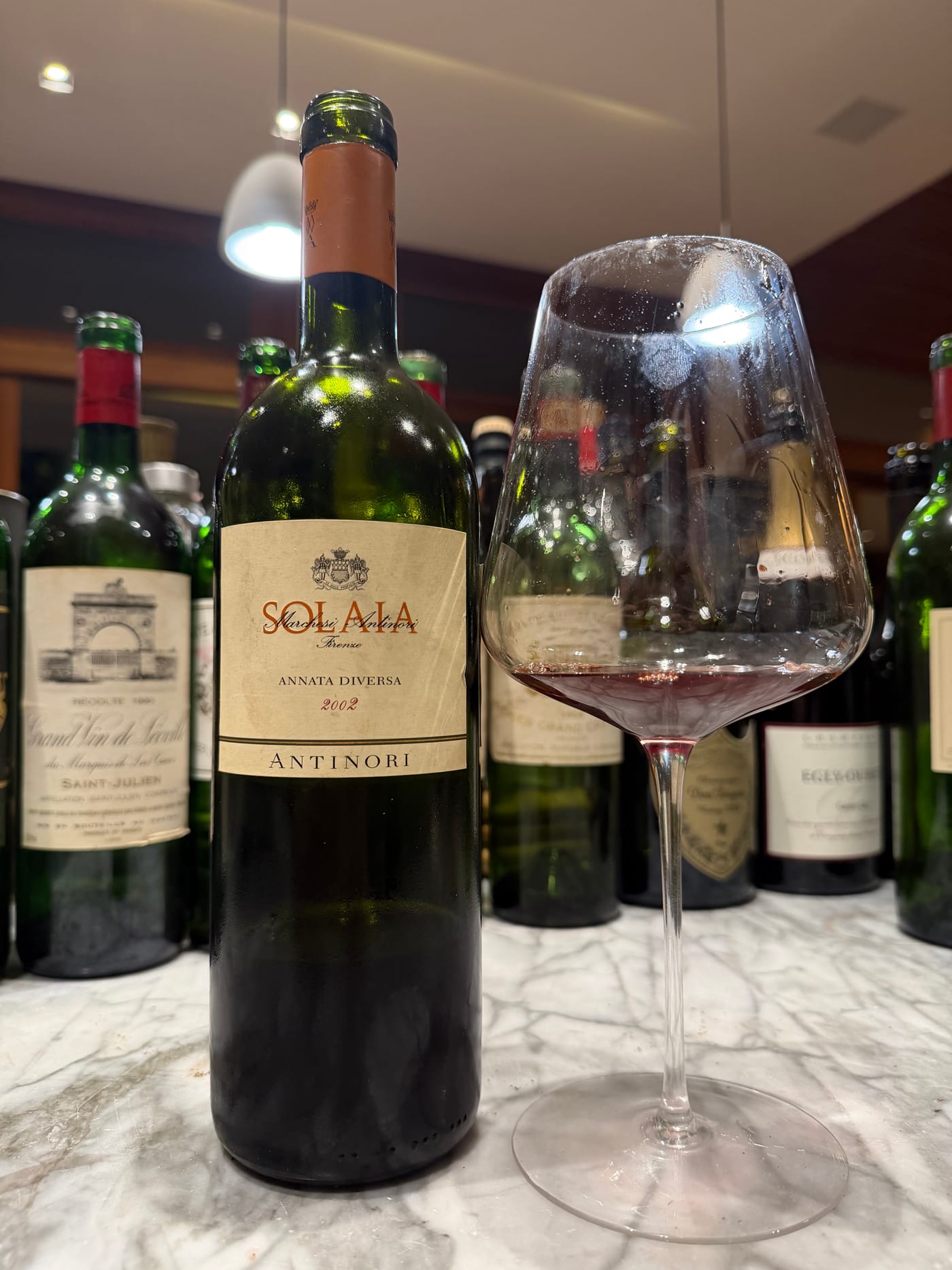
Solaia Annata Diversa 2002: A Different Vintage, a Singular Wine
Solaia 2002 is the only vintage to carry the words Annata Diversa, after a difficult Tuscan season removed Sangiovese from the blend. More than two decades later, the wine was alive, elegant and finely textured, with the composure of mature Bordeaux and an identity entirely its own.