New Research Shows Downy Mildew Can Overcome Resistant Grapevines
Research shows Plasmopara viticola, the pathogen behind grapevine downy mildew, can overcome Rpv1, Rpv3.1 and Rpv10 resistance in the same vines. The finding supports stacked genes, vineyard monitoring and integrated disease management rather than reliance on resistance alone.

A genomic study has identified two routes by which the pathogen can defeat resistance traits. Disease-resistant varieties remain a powerful tool for reducing fungicide use, but the evidence does not support treating them as a permanent standalone solution.
What happened
Researchers from INRAE, the University of California, Davis, and partner institutions have identified two distinct evolutionary routes by which grapevine downy mildew can overcome genetic resistance in cultivated vines.
The peer-reviewed study, published in PLOS Pathogens in March 2026, examined the genomic basis of virulence in Plasmopara viticola, the pathogen responsible for downy mildew. The work combined laboratory crosses with large-scale population-genetic analysis to investigate why resistance factors that initially protect a vine can lose effectiveness.
The finding adds a critical qualification to the expansion of disease-resistant grape varieties, commonly known as PIWIs. These varieties can sharply reduce the number of fungicide applications required in a vineyard, but the pathogen remains capable of adapting to the defences bred into them.
What is confirmed
The researchers identified two mechanisms associated with the breakdown of resistance. In the first, strains of downy mildew independently lost or altered genetic material that allowed the vine to recognise the pathogen and activate its defence response. Similar changes appeared repeatedly in separate European populations, demonstrating parallel adaptation rather than a single isolated event.
The second mechanism involved genetic admixture. Exchanges with strains related to North American populations introduced combinations associated with greater virulence into European pathogen populations. The study traced genomic regions involved in both processes and connected them to the pathogen's ability to infect vines carrying specific resistance factors.

WINE TASTING The Essential Guide
The Study Library · The Cellar Journal Wine tasting can look far more complicated than it really is. A professional puts their nose into a glass and starts talking about blackcurrants, violets, graphite, leather or wet stones, while someone listening may reasonably wonder whether all of those things are actually there,

ENGLISH WINE The Essential Guide
A complete introduction to English wine, connecting climate, geology, grapes, sparkling wine and modern history to explain how a marginal wine country became one of the world’s most dynamic cool-climate regions.
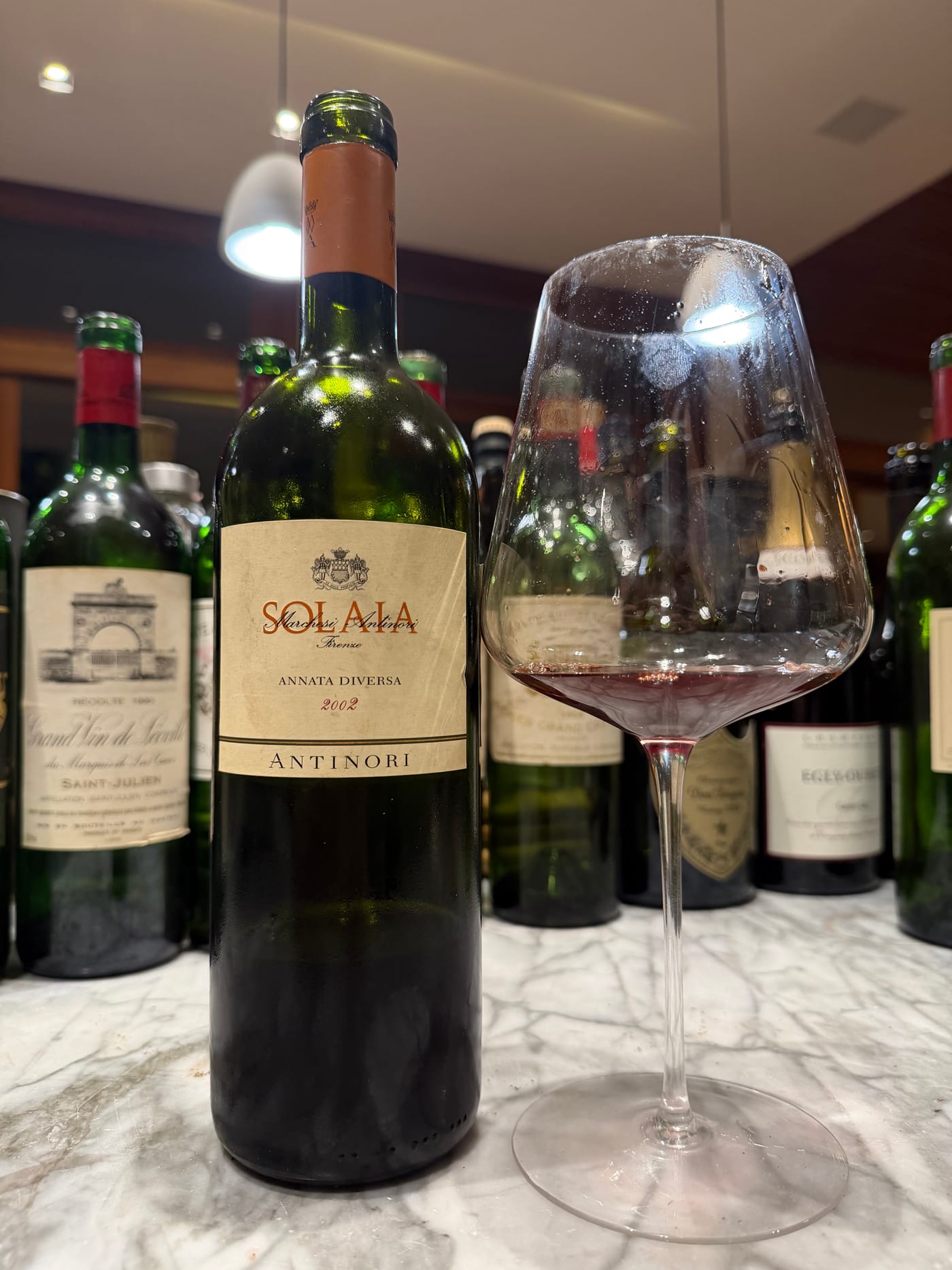
Solaia Annata Diversa 2002: A Different Vintage, a Singular Wine
Solaia 2002 is the only vintage to carry the words Annata Diversa, after a difficult Tuscan season removed Sangiovese from the blend. More than two decades later, the wine was alive, elegant and finely textured, with the composure of mature Bordeaux and an identity entirely its own.