Hokkaido Does Not Need to Be the Next Burgundy
Hokkaido is building a wine identity through snow-adapted viticulture, regional research and producers who are studying individual sites. Domaine Takahiko leads a group showing why northern Japan offers more than a new source of Pinot Noir.

Japan's northern wine region is often explained through Pinot Noir and comparisons with Burgundy. Its real identity is emerging from snow, local microorganisms, old fruit-growing communities and producers who are learning how to read a large island with several distinct terroirs.
Japanese wine is no longer a single story centered on Koshu in Yamanashi. Nagano has developed a broad range of vineyards at altitude, while Hokkaido has become the country's fastest-moving cool-climate frontier. The northern island now has 75 wineries, approximately three times the number recorded a decade earlier. Yet the number alone does not explain the change. Hokkaido is developing the institutions that allow a wine region to accumulate knowledge: a geographical indication, research centers, training programs, custom-crush facilities and a generation of growers willing to distinguish one slope from another.
Domaine Takahiko is the producer most closely associated with this transformation. Takahiko Soga's Pinot Noir placed Yoichi in international conversations, but his influence reaches beyond a scarce label. His work asks a more important question. What should wine from northern Japan taste like when it stops trying to prove that it can imitate Europe?

WINE TASTING The Essential Guide
The Study Library · The Cellar Journal Wine tasting can look far more complicated than it really is. A professional puts their nose into a glass and starts talking about blackcurrants, violets, graphite, leather or wet stones, while someone listening may reasonably wonder whether all of those things are actually there,
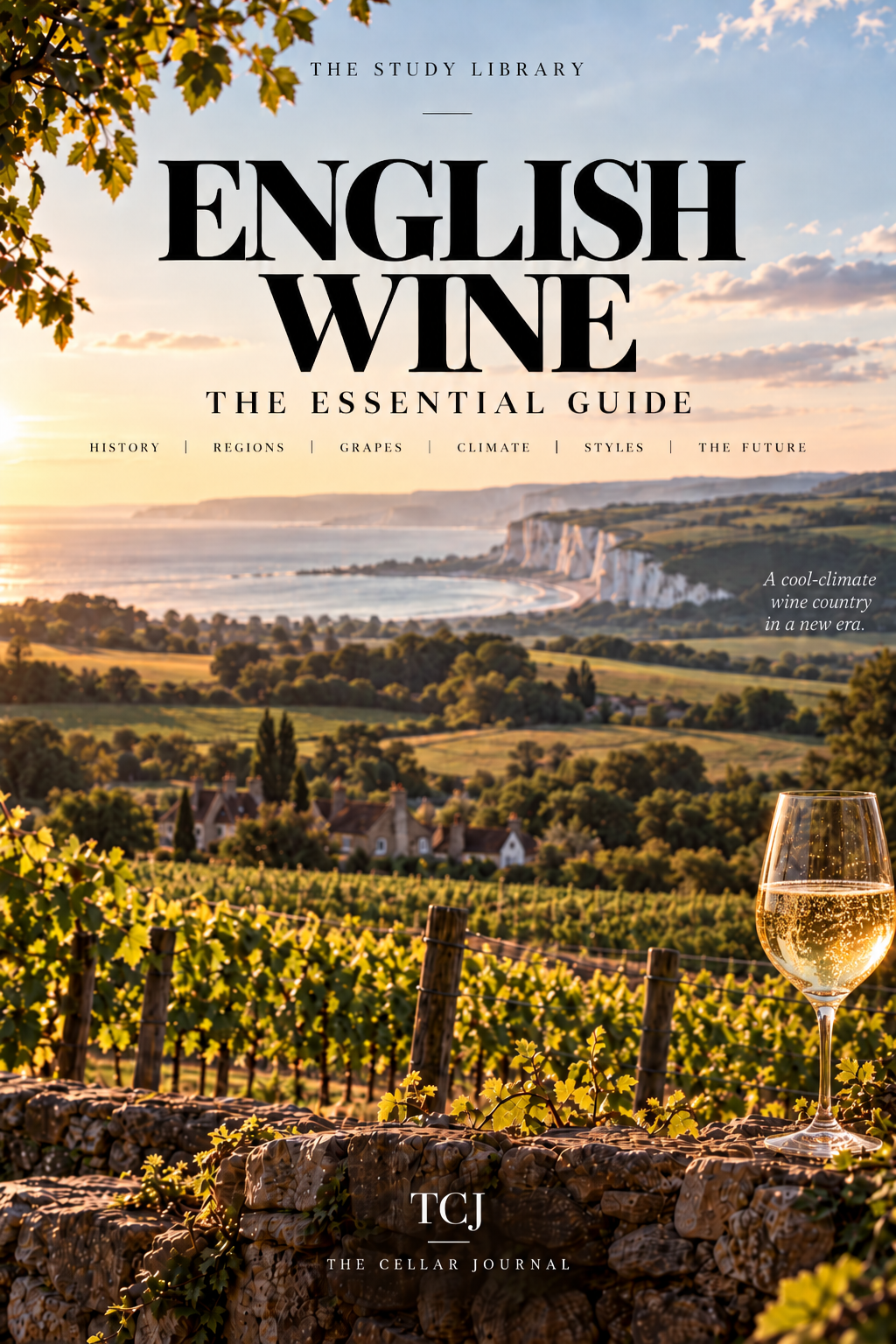
ENGLISH WINE The Essential Guide
A complete introduction to English wine, connecting climate, geology, grapes, sparkling wine and modern history to explain how a marginal wine country became one of the world’s most dynamic cool-climate regions.
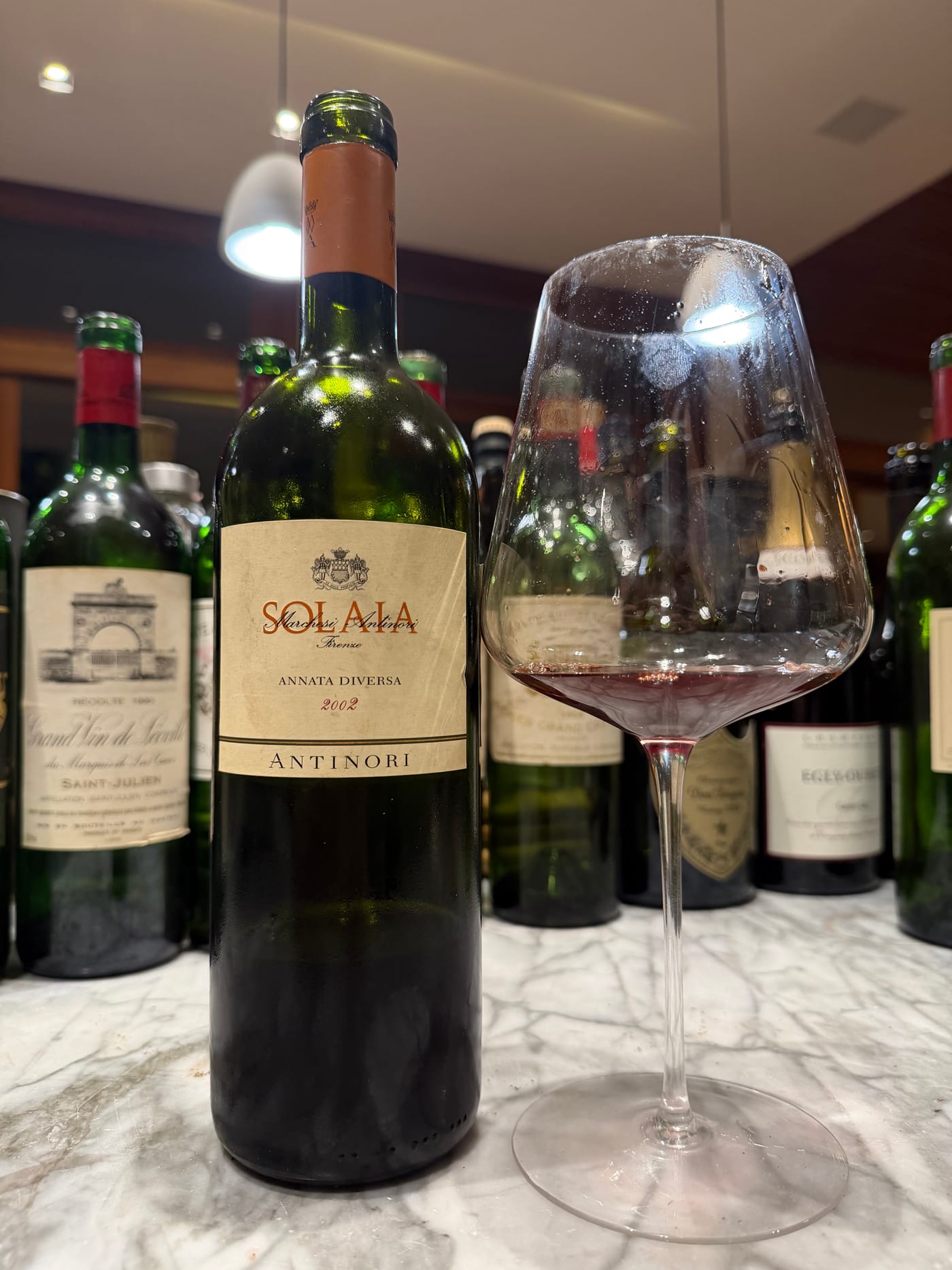
Solaia Annata Diversa 2002: A Different Vintage, a Singular Wine
Solaia 2002 is the only vintage to carry the words Annata Diversa, after a difficult Tuscan season removed Sangiovese from the blend. More than two decades later, the wine was alive, elegant and finely textured, with the composure of mature Bordeaux and an identity entirely its own.