Fine Wine Distribution Faces an Efficiency Test
Fine wine distribution runs through allocations, importers, agents, merchants, exchanges and private-client networks. As demand slows and margins tighten, the sector’s test is whether technology and consolidation can reduce friction without weakening provenance, service or producer control.

A warning over merchant costs and weak profitability points to a structural problem in fine wine: too much value is absorbed between the producer and the final buyer.
What happened
Fine wine businesses should prepare for a leaner and more efficient market, Cru World Wine chief executive Jeremy Howard told The Drinks Business. He argues that the cost structure of the merchant sector is no longer sustainable as margins narrow, trading remains difficult and the market moves through an extended correction.
Howard estimates that UK fine wine merchants spend approximately £210 million in administrative costs to generate around £850 million in sales. He also says the 15 largest UK wine merchants collectively lost almost £20 million in their latest reported period. These figures describe a sector in which scale does not automatically produce profitability.
The comments arrive as Cru World Wine promotes a platform model intended to combine trading, custody, logistics and portfolio services. The company's commercial interest is clear. The wider question raised by the figures is nevertheless relevant: how much of the fine wine economy is consumed by duplicated systems, inventory handling and fragmented distribution before a bottle reaches its buyer?
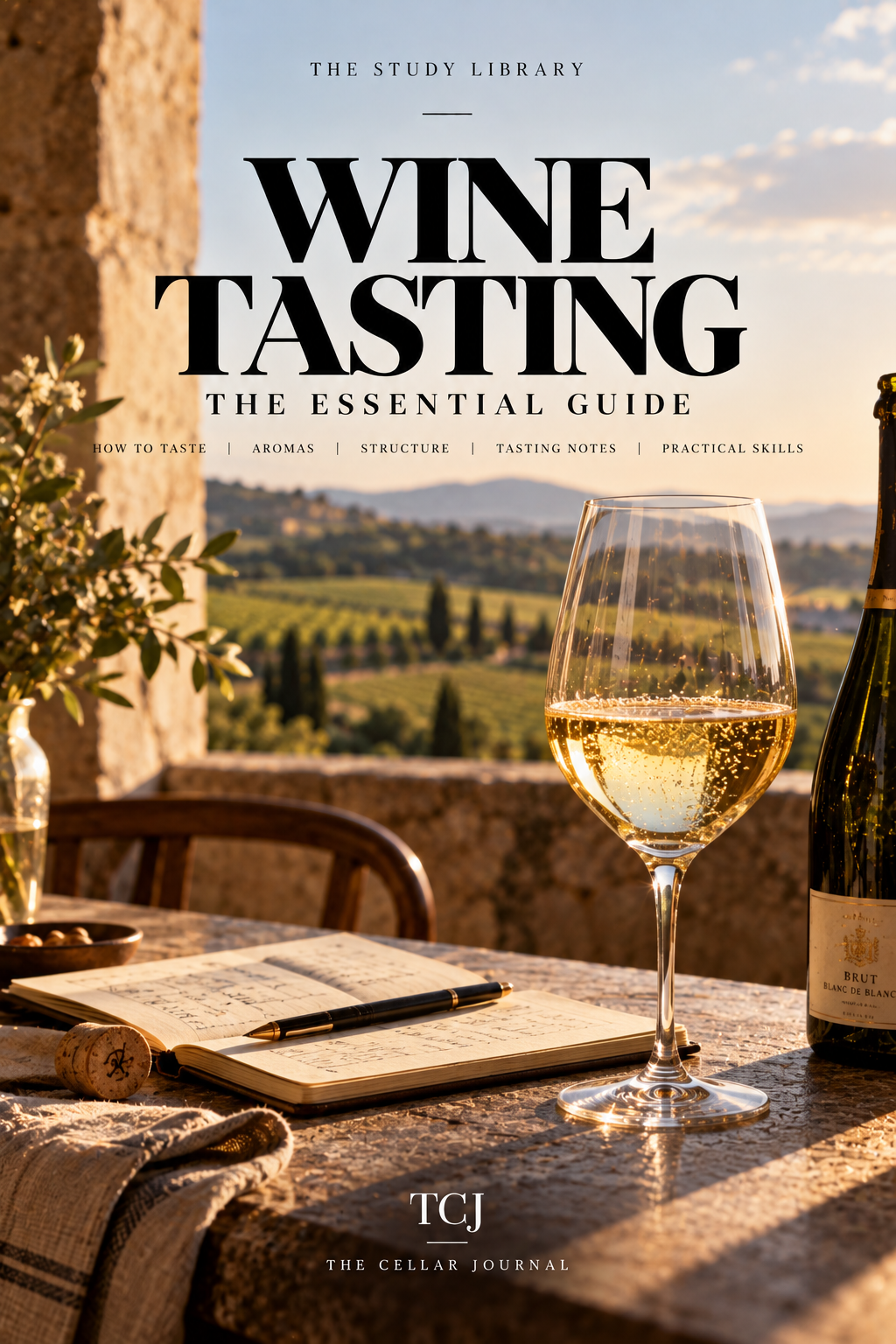
WINE TASTING The Essential Guide
The Study Library · The Cellar Journal Wine tasting can look far more complicated than it really is. A professional puts their nose into a glass and starts talking about blackcurrants, violets, graphite, leather or wet stones, while someone listening may reasonably wonder whether all of those things are actually there,
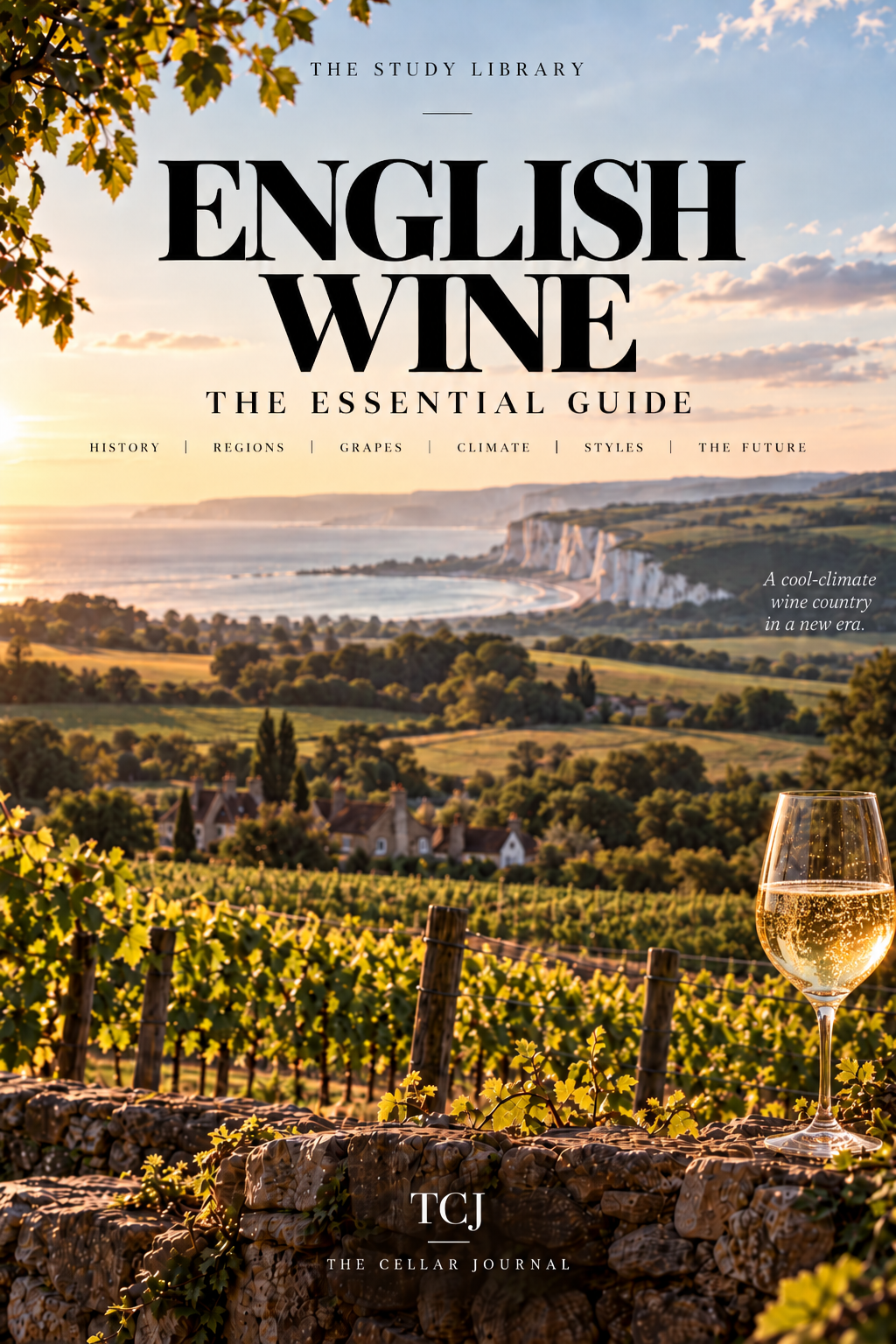
ENGLISH WINE The Essential Guide
A complete introduction to English wine, connecting climate, geology, grapes, sparkling wine and modern history to explain how a marginal wine country became one of the world’s most dynamic cool-climate regions.
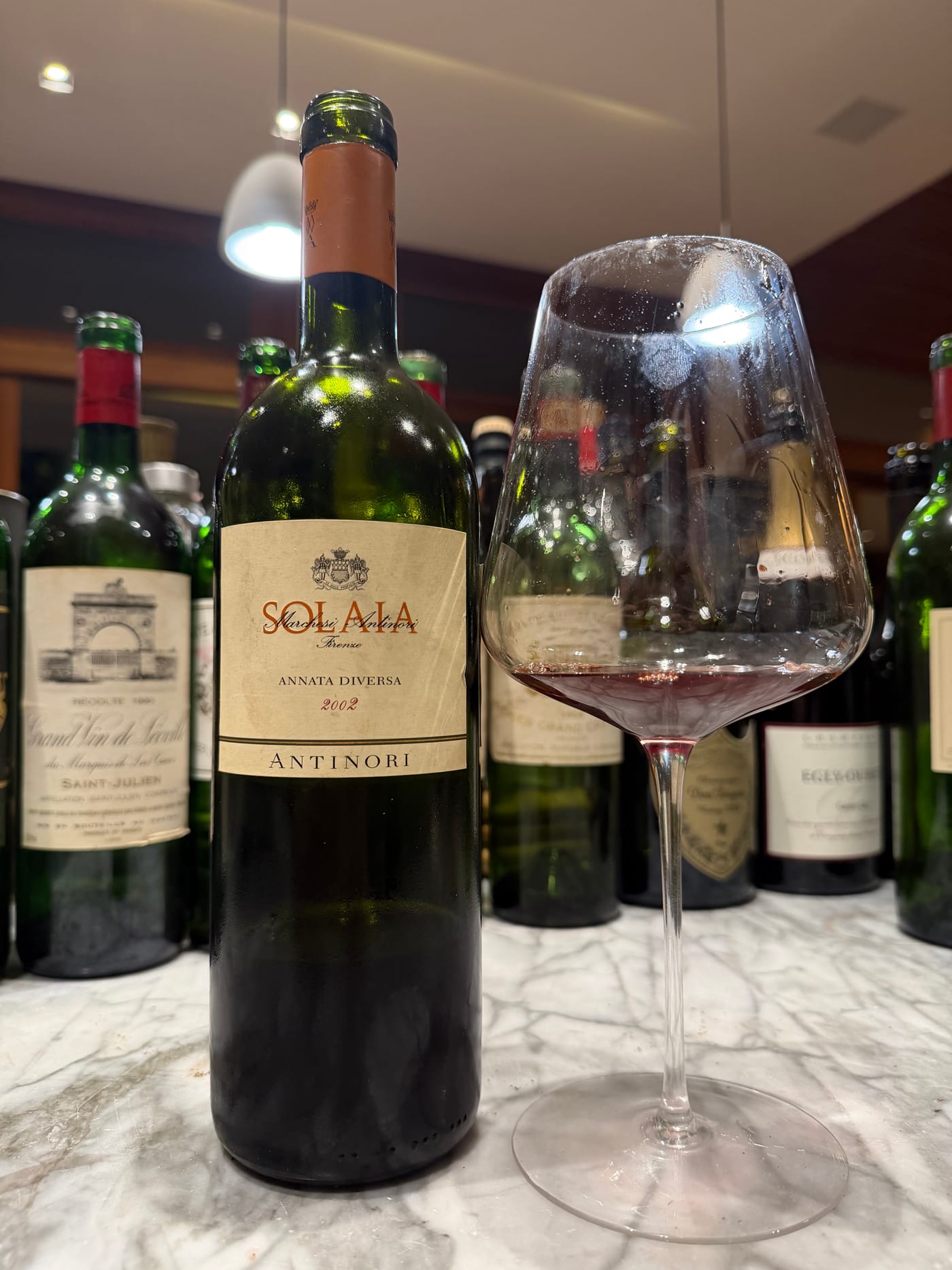
Solaia Annata Diversa 2002: A Different Vintage, a Singular Wine
Solaia 2002 is the only vintage to carry the words Annata Diversa, after a difficult Tuscan season removed Sangiovese from the blend. More than two decades later, the wine was alive, elegant and finely textured, with the composure of mature Bordeaux and an identity entirely its own.