Burgundy Opens Its Earliest Crémant Harvest Yet
Burgundy began its 2026 Crémant de Bourgogne harvest at the earliest date on record after heat and drought accelerated ripening. The opening applies only to the first sparkling-wine parcels, while crop size, acidity, quality and the still-wine harvest remain uncertain.
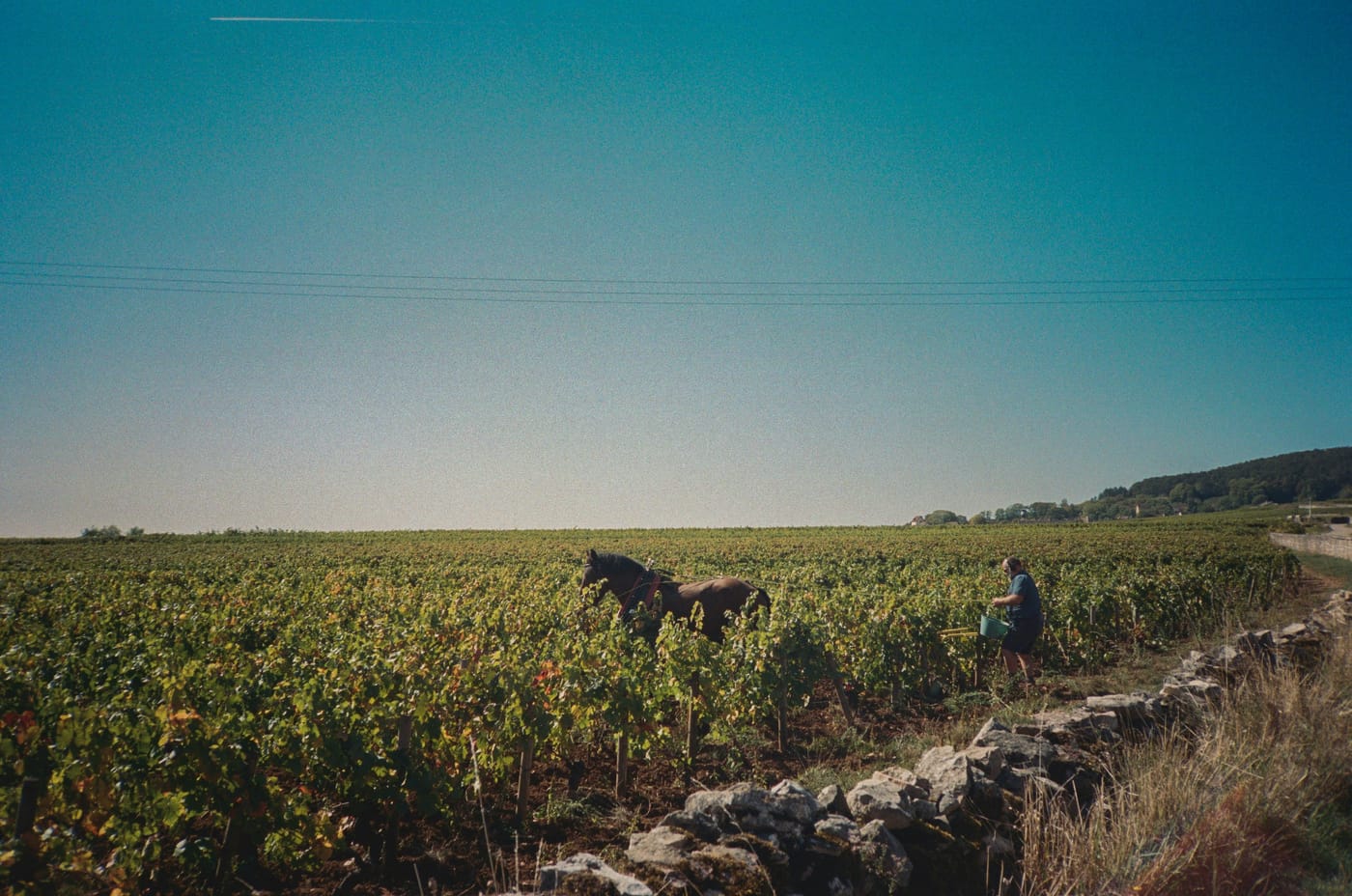
The first grapes for Crémant de Bourgogne are being picked at a record-early point in the calendar. The date is confirmed; the final size and character of the 2026 crop are not.
What happened
Burgundy has begun picking grapes for Crémant de Bourgogne at the earliest point yet reported for the appellation, following an unusually accelerated growing season and a sustained period of heat and limited rainfall.
The opening concerns the earliest parcels destined for sparkling-wine base wines. It does not mean that all of Burgundy is harvesting at once. Still-wine grapes are expected to follow later, with 25 August currently cited as a broad reference point, although individual domaines will make decisions parcel by parcel.
Crémant normally leads the region into harvest because its base wines depend on fruit collected with sufficient freshness and acidity. In 2025, Burgundy's harvest began on 18 August with Crémant de Bourgogne. The 2026 opening therefore advances an already early benchmark by more than a week.
What is confirmed
The 2026 season has developed ahead of the customary calendar. A record-breaking heatwave in late June, followed by continued hot and dry conditions, accelerated ripening across Burgundy while placing additional pressure on vines and water reserves.
The decision to begin with Crémant is technical rather than symbolic. The appellation's specification requires hand harvesting, a minimum natural potential alcohol of 9% and careful whole-fruit handling. Base wines may not exceed 11.5% total alcohol after enrichment. Producers therefore have a narrower window in which sugar development, acidity and fruit condition align with the intended sparkling-wine profile.
The start date is also operationally significant. An early opening brings forward labour, pressing capacity, transport and cellar preparation. It divides the regional harvest into several overlapping calendars: the first Crémant parcels now, followed by later sparkling-wine sites and then the grapes intended for still Burgundy wines.
What remains unknown
The scale of the 2026 crop is not yet established. Heat and drought can advance sugar accumulation without producing equivalent gains in berry size or physiological balance, and earlier reporting from Burgundy pointed to the possibility of a meaningful reduction in volume.
It is also too early to judge quality. The first picking date records the speed of the season, not the condition of every parcel. Acidity, phenolic maturity, juice yield and sanitary health will vary across Burgundy's wide geography and will only become clearer as fruit reaches the winery.
The timetable for still wines remains provisional. The current 25 August expectation may shift according to rainfall, temperature and individual maturity readings. A regional date cannot replace vineyard-level decisions, particularly in a territory where altitude, exposure, soil and grape variety produce markedly different ripening patterns.
No complete official estimate has yet been published for final yield, the share of affected parcels or the economic effect of the early calendar on labour and processing.
TCJ View
An early harvest is easy to present as a record. Its more important meaning lies in what it forces producers to protect.
For Crémant de Bourgogne, timing is part of the style. Grapes cannot simply be left to accumulate ripeness if the base wine is to retain the acidity, moderate alcohol and precision needed for a second fermentation. The first cuts of 2026 therefore show a sector responding to a compressed window, not celebrating speed for its own sake.
The date also reveals how quickly an exceptional season becomes an operational reality. Climate pressure is not experienced only through annual averages. It appears in the sudden need to assemble pickers, open presses and make irreversible parcel decisions earlier than established calendars anticipated.
Burgundy's still-wine harvest will tell a different and more complex story later in August. For now, the Crémant opening is the first measurable signal of the vintage: maturity arrived early, producers acted, and the region must now determine whether freshness, volume and balance survived the same conditions that accelerated the clock.
The record is the date. The vintage will be judged by what reaches the cellar.
Sources
The Drinks Business — Burgundy's Crémant starts its earliest harvest
Bourgogne Wines — 2025 harvest report and previous opening date
INAO — Crémant de Bourgogne appellation specification
Reuters — heat and drought accelerate France's 2026 harvest calendar

WINE TASTING The Essential Guide
The Study Library · The Cellar Journal Wine tasting can look far more complicated than it really is. A professional puts their nose into a glass and starts talking about blackcurrants, violets, graphite, leather or wet stones, while someone listening may reasonably wonder whether all of those things are actually there,

ENGLISH WINE The Essential Guide
A complete introduction to English wine, connecting climate, geology, grapes, sparkling wine and modern history to explain how a marginal wine country became one of the world’s most dynamic cool-climate regions.
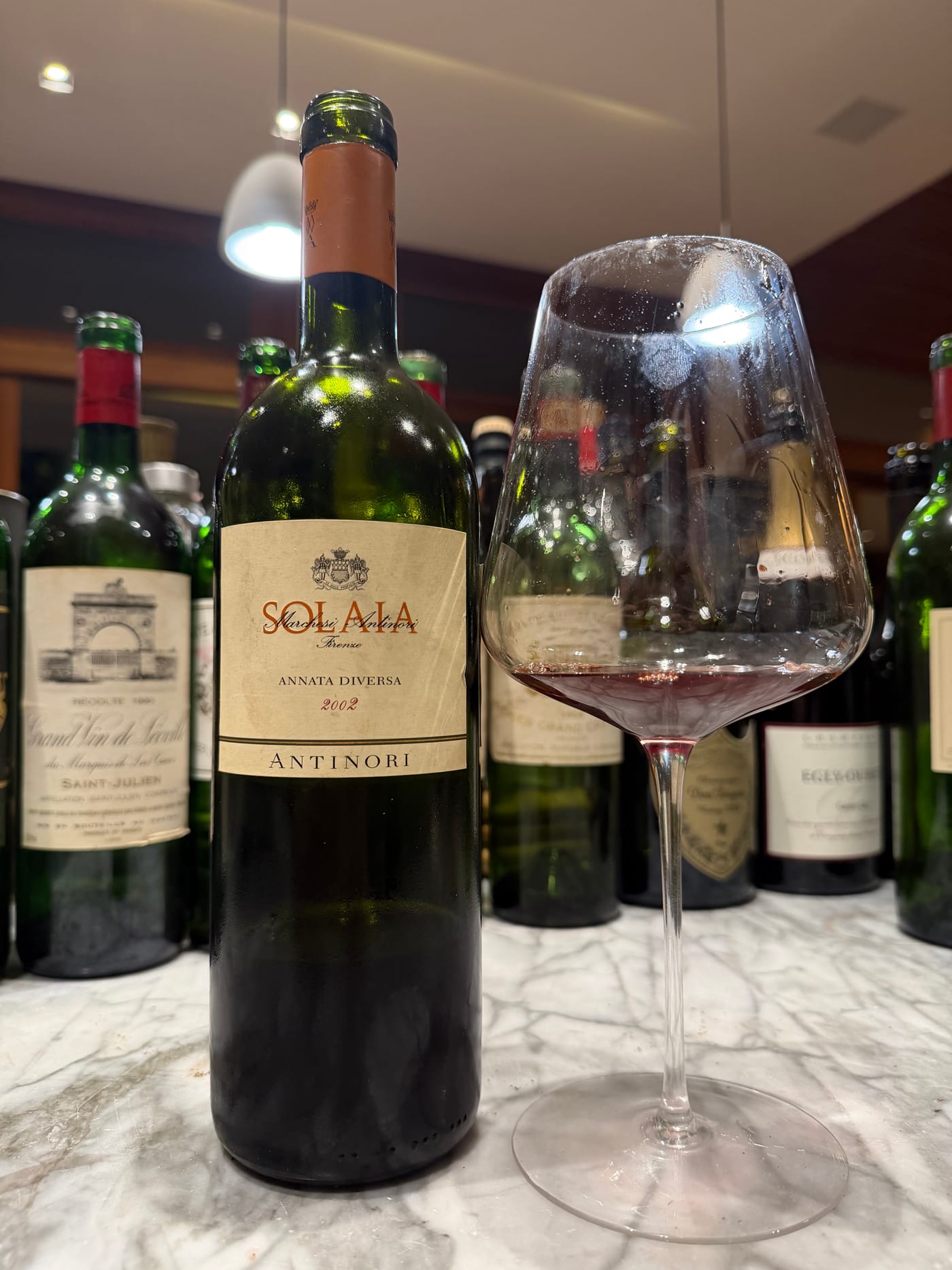
Solaia Annata Diversa 2002: A Different Vintage, a Singular Wine
Solaia 2002 is the only vintage to carry the words Annata Diversa, after a difficult Tuscan season removed Sangiovese from the blend. More than two decades later, the wine was alive, elegant and finely textured, with the composure of mature Bordeaux and an identity entirely its own.