Bordeaux Wildfires Expose the Fragility of Wine Tourism
The fires were concentrated in forest and coastal zones, while Bordeaux's principal wine destinations remained open. Yet cancellations spread far beyond the burn area, revealing how quickly geography can be overtaken by perception.
FILED FROM: Bordeaux · Gironde · August 8, 2026
What happened
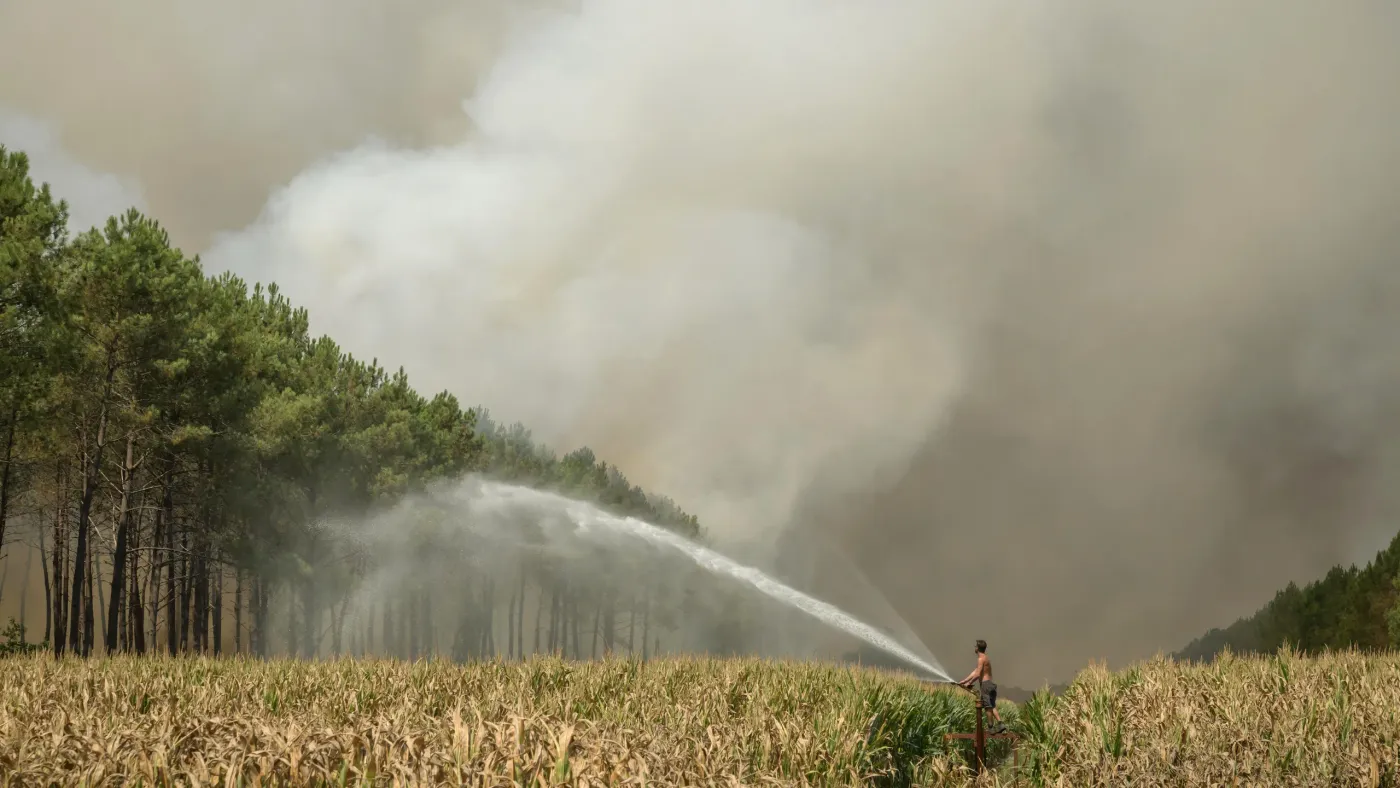
Wildfires that began near Saumos on July 22 spread through forest and coastal areas west and southwest of Bordeaux, burning about 42,000 hectares by July 29 and forcing roughly 220,000 people to leave homes and holiday destinations across Gironde.
The main Bordeaux wine appellations were not at the centre of the fire zone. Bordeaux city was not evacuated, and destinations including Saint-Emilion, Pomerol, Graves, Medoc and Entre-deux-Mers remained open and operational.
The economic effect nevertheless travelled further than the flames. Government warnings to avoid affected areas, images of mass evacuations and the broad use of 'Bordeaux' in international coverage prompted cancellations across the region, including in wine destinations more than 80 kilometres from the principal fires.
For an industry already facing falling consumption, export pressure and vineyard restructuring, the interruption reached one of its few expanding channels: direct contact with visitors.

What is confirmed
By July 29, authorities said the principal blaze west of Bordeaux was under control, although hot, dry and windy conditions continued to create a risk of flare-ups. Later updates reported substantial improvement after rainfall and the return of most evacuated residents.
The regional chamber of commerce said 39,000 businesses had been affected. The disruption extended beyond wineries to accommodation, restaurants, cultural attractions, transport and the coastal economy around Arcachon Bay.
Wine-tour operators reported that Bordeaux city and the principal vineyard routes continued to function. Bordeaux Airport remained open, and visits in Saint-Emilion, Pomerol, Graves, Medoc and Entre-deux-Mers were proceeding, while coastal excursions and some routes south of the city faced restrictions or delays.
The contrast did not prevent cancellations. Saint-Emilion's tourist office was reported to be receiving them even for groups booked in September, despite the town being far from the active fire zone.
What remains unknown
There is no complete estimate of the revenue lost through cancelled stays, postponed visits, interrupted coastal travel or reduced spending at wineries and cultural attractions.
It is also too early to know how quickly bookings will recover. A fire can be contained in days, but images and travel warnings may continue to influence decisions long after roads and businesses reopen.
The effect on the 2026 crop is not yet established. The principal appellations avoided direct fire damage, but any assessment of smoke exposure depends on location, concentration, timing and laboratory analysis. Proximity alone does not establish smoke taint.
Nor is it clear whether the disruption will remain a single-season shock or force a more permanent change in how Bordeaux communicates risk, coordinates tourism information and protects an increasingly important source of direct revenue.
TCJ View
The Bordeaux fires exposed a problem that maps cannot contain.
The physical emergency was concentrated. The economic message was not. Once the name Bordeaux became attached to smoke, evacuation and danger, distinctions between the Atlantic coast, the city and the major vineyard routes became difficult to preserve in the mind of a distant visitor.
That matters because wine tourism is no longer an ornamental extension of the region. It brings direct sales, hospitality revenue and cultural relevance to estates operating in a contracting market. A cancelled visit therefore removes more than a tasting-room transaction; it weakens one of the few points at which Bordeaux can explain itself without an intermediary.
The immediate task is accurate communication: neither minimising the destruction nor treating an entire wine region as inaccessible. The longer task is resilience. Bordeaux will need clearer shared information, faster coordination between public authorities and tourism operators, and plans that recognise smoke, heat and fire as recurring commercial risks rather than exceptional interruptions.
The vineyards may have escaped the flames. The season has still shown that a region's reputation can enter the fire zone before its vines do.
Sources
- The Drinks Business — Wildfires scorch wine tourism in Bordeaux
- Reuters — Fire crews keep blazes near Bordeaux under control
- Associated Press — Wildfires bring further pressure to Bordeaux's wine economy
- Gironde Tourisme — travel restrictions and vineyard agenda
- Decanter Tours — operational update for Bordeaux wine destinations