What AI Knows About Wine, and What It Cannot Taste
Can ChatGPT choose wine? This Perspective examines how AI reads wine lists, explains regions and recommends bottles, while exposing outdated data, familiar-name bias and invented certainty. Artificial intelligence can organize knowledge, but it cannot taste the wine.

Chatbots can explain a region, organize a wine list and narrow a choice. They can also repeat outdated information, favor familiar names and describe bottles they have never tasted
The first conversation is moving to a screen
At a restaurant in Brittany, customers photographed the wine list and asked ChatGPT what to order before speaking to the staff. The answer arrived in seconds. It compared grapes, regions and dishes, then selected bottles from the list. This is not evidence that a machine can taste. It is evidence that the first conversation around wine is changing.
The 2026 SOWINE/Dynata barometer gives that scene a wider context. Thirty percent of French respondents said they had already used artificial intelligence to obtain information about alcoholic beverages. The reported share rose to 41 percent among people aged 26 to 35 and 58 percent among those aged 18 to 25. A separate summary of the same survey reported that 6 percent of French respondents had followed an AI recommendation when selecting wine in a restaurant.
Those figures are significant, but they need to be read carefully. The survey asked about AI for the first time in 2026, so it establishes adoption rather than a year-on-year trend. The broad category also includes questions about quality, appellations, producers, tasting and food pairing. It does not tell us which system was used, whether the recommendation was accurate or how much it affected the final decision. What it does establish is that AI has entered the path through which wine is researched and selected.
This is a point of view, not a verdict. Disagree with us — write to the editors.
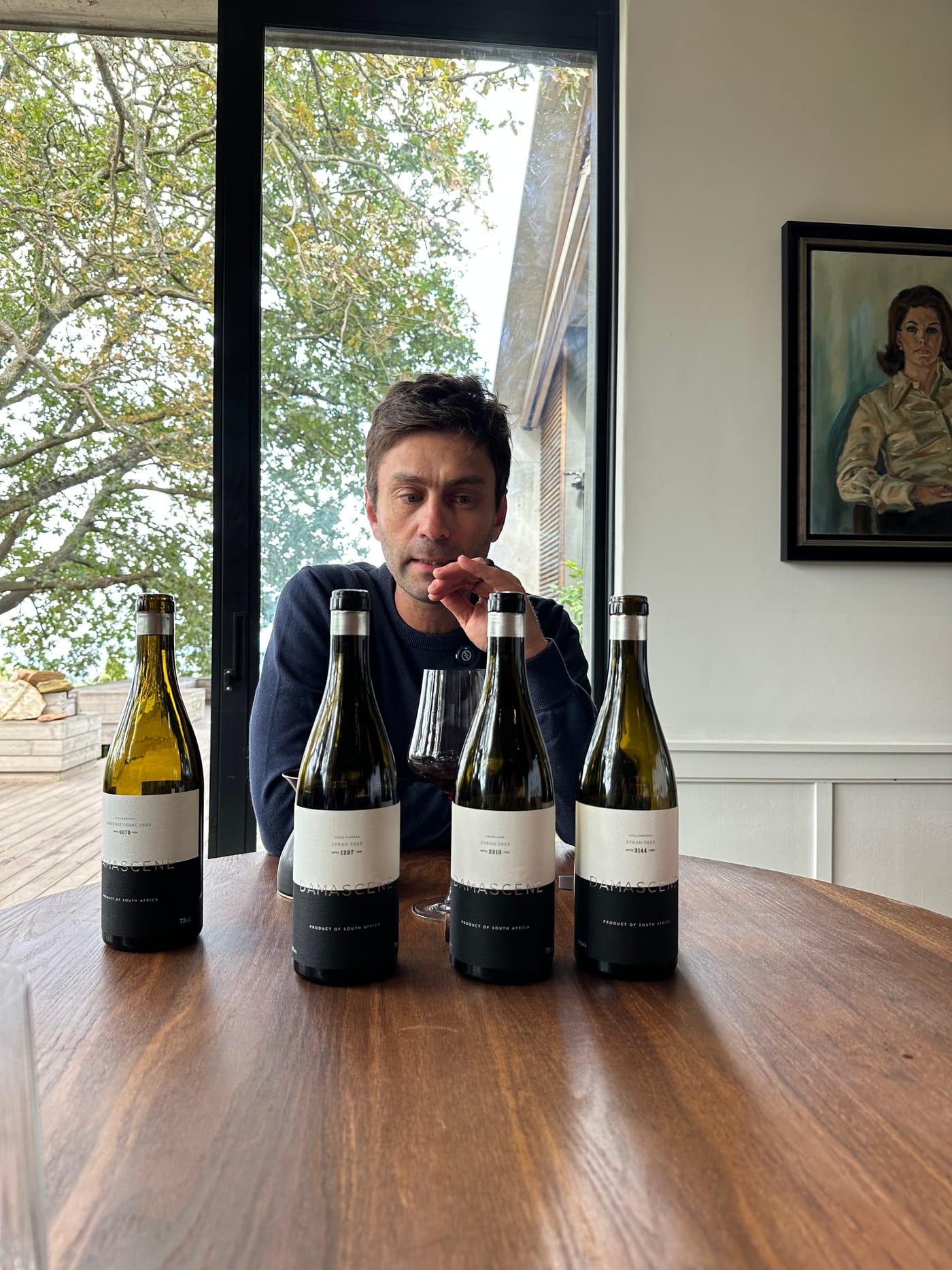
At Damascene, One Cellar Holds Many South Africas
At Damascene in Elgin, Jean Smit uses gentle cellar methods to preserve the differences among Franschhoek Sémillon, Stellenbosch Cabernet Franc, regional Syrah and Moya Meaker Riesling across South Africa’s Western Cape.
SAKE The Essential Guide
A complete introduction to sake, connecting rice, kōji, yeast, fermentation, classifications and service to explain how Japanese brewers transform a neutral grain into one of the world’s most technically complex beverages.

Thorvald Is Scaling in California Vineyards Before Full Autonomy
More than 100 Thorvald UV-C robots are expected to treat 2,600 acres of California vineyards in 2026. Research supports powdery mildew control, but cost, field reliability and a 1977 safety rule still limit full autonomy.