Vittorio Frescobaldi, Who Opened a Tuscan Dynasty to the World, Dies at 97
Vittorio Frescobaldi dies at 97. TCJ examines how he helped turn a Tuscan wine dynasty into a modern international company and prepared its succession.
The Florentine agriculturalist helped turn inherited estates into a modern group, built one of Italian wine's most consequential international alliances and transferred control before succession became a crisis.
What happened
Vittorio Frescobaldi died in Florence during the night of August 25 to 26, his family announced. He was 97 and would have turned 98 on November 30. He leaves his wife, Bona, and four children, Fiammetta, Angelica, Diana and Lamberto.
The announcement closes the life of one of the central figures in the postwar transformation of Tuscan agriculture. Frescobaldi belonged to a Florentine family whose wine activity reaches back to the Middle Ages, but his relevance does not come from the age of the name alone. Together with his brothers Ferdinando and Leonardo, he helped convert inherited land, cellars and reputation into a modern wine organisation with international reach.
An inheritance turned into an agricultural company
Vittorio Frescobaldi studied agriculture and began working alongside his father in the family's estates around Florence. When his father died in 1959, the Quirinale's official record states that he assumed full responsibility for managing the family property. The same citation, written when he was named Cavaliere del Lavoro in 1977, documents the scale of the transformation already completed by then.
At that point, the businesses under his direction extended across more than 4,000 hectares, employed more than 150 permanent workers and included 750 hectares of specialised vineyards and approximately 250 hectares of olive groves. Storage capacity reached 100,000 hectolitres. These are historical figures from the 1977 honour, not current group data, but they show that Frescobaldi's first achievement was agricultural and organisational before it became a story of luxury wine.
Mechanisation, specialised planting and a more industrial structure can sound distant from today's language of terroir. In postwar Tuscany, however, they were part of the transition from mixed estates and inherited landholding to professionally managed agriculture. Vittorio's legacy begins there: not with a single label, but with the decision that a historic family needed a functioning company if its land was to remain productive across another generation.
The decisive opening to the world
The most visible expression of that outlook came in the early 1990s, when Vittorio Frescobaldi met Robert Mondavi. Their relationship led to the creation of Tenuta Luce in Montalcino in 1995. The project combined two family cultures and deliberately worked outside the narrowest interpretation of local tradition while remaining tied to Tuscan land.
The alliance later participated in the acquisition of Ornellaia in 2002. After the sale of the Mondavi company, Frescobaldi took full ownership of the Bolgheri estate in 2005. These later corporate steps involved other family members and executives and should not be attributed to Vittorio alone. The line of development is still important: a partnership initiated as an exchange between Tuscany and California became part of the structure through which Frescobaldi expanded its place in Italian fine wine.
Internationalisation is often narrated as the moment when an old producer risks losing local identity. Vittorio Frescobaldi treated it as a method of strengthening the company without leaving Tuscany. The external partner brought a different scale of ambition, market knowledge and technical conversation. The land, the projects and the final ownership remained Tuscan. That balance, openness without geographic dispersal, became one of the clearest features of the group built by his generation.
A role beyond the family company
Frescobaldi was named Cavaliere del Lavoro in 1977. He served as national vice president of Confagricoltura from 1986 to 1990 and later became president of Grandi Cru d'Italia. Confagricoltura's statement after his death emphasised two ideas it associated with his work in the 1990s: the importance of foreign markets and the need to communicate the territory from which a wine originates.
Those ideas now appear ordinary because they became central to the commercial language of Italian wine. They were less obvious when many estates still depended on domestic recognition, fragmented distribution and the authority of appellation names. Frescobaldi's contribution was not to invent export or territorial communication, but to make them operating principles for a large historic producer and to argue for them through agricultural institutions.
The succession had already happened
Vittorio's son Lamberto has led Marchesi Frescobaldi as president since 2013 and is also president of Unione Italiana Vini. The death of the family patriarch therefore does not trigger a sudden transfer of executive power. That transfer occurred more than a decade earlier.
This distinction is part of the legacy. Family companies often speak about continuity while postponing the act that makes continuity possible. In this case, the next generation was given operational responsibility while the older generation was still present. Vittorio remained a reference point, but the organisation had time to establish authority beyond him. The company now faces bereavement, not a governance vacuum.
What is confirmed
Vittorio Frescobaldi was born in Florence on November 30, 1928, and died at 97 during the night of August 25 to 26, 2026. The Quirinale confirms his 1977 appointment as Cavaliere del Lavoro and records that he assumed responsibility for the family agricultural businesses after his father's death in 1959. Frescobaldi's own history credits Vittorio, Ferdinando and Leonardo with the company's twentieth-century development.
Tenuta Luce confirms that Vittorio's meeting with Robert Mondavi in the early 1990s led to the Montalcino project. Contemporary reporting and company histories place the creation of the joint venture in 1995, the acquisition of Ornellaia by the partnership in 2002 and full Frescobaldi ownership in 2005. Confagricoltura confirms that Vittorio served as its national vice president from 1986 to 1990.
What remains unknown
Public obituaries do not provide a detailed division of responsibilities among Vittorio, Ferdinando and Leonardo during the decades of expansion. Nor do they provide a consistent series showing export revenue, production or company value before and after the international opening. The direction of the transformation is well documented; its precise attribution and economic measurement are not.
The generational count also varies. ANSA and several Italian reports describe Vittorio as a representative of the family's thirty-first generation, while Frescobaldi's own history has described the current leadership as the thirtieth. Without a published genealogy defining the counting method, the number should be treated as part of the family's historical narrative rather than an independently verified corporate fact.
TCJ View
The easiest obituary says that Vittorio Frescobaldi preserved a seven-century tradition. That is true, but incomplete. Preservation was not his most consequential act. He changed the structure through which the tradition could continue.
He inherited agricultural properties and helped turn them into a modern organisation. He supported specialised vineyards, mechanisation and professional scale when those were necessary forms of progress. Later, he opened one of Tuscany's oldest names to an American partner without moving the centre of gravity away from Tuscany. The result was not continuity through immobility. It was continuity through repeated changes in method.
That history also complicates the familiar opposition between family heritage and corporate development. A family can lose control by refusing to evolve, just as it can lose identity by pursuing growth without limits. The Frescobaldi model under Vittorio attempted a third path: expand the institution, use outside knowledge, keep the land central and prepare the next generation before the previous one disappears.
The lasting achievement is therefore not that Frescobaldi remained ancient. It is that the family learned to operate in the present without becoming anonymous. Vittorio's death removes a patriarch, but it does not interrupt the company. For a family enterprise measured in centuries, that may be the most meaningful evidence of successful leadership.
Sources
ANSA: Wine patriarch Vittorio Frescobaldi dies at 97, published August 26, 2026
Quirinale: Vittorio Frescobaldi, Cavaliere del Lavoro, official 1977 citation
Marchesi Frescobaldi: Our History
Tenuta Luce: The history of a great vineyard
Confagricoltura: statement on the death of Vittorio Frescobaldi, published August 26, 2026
Corriere della Sera Cook: Vittorio Frescobaldi dies at 97, published August 26, 2026
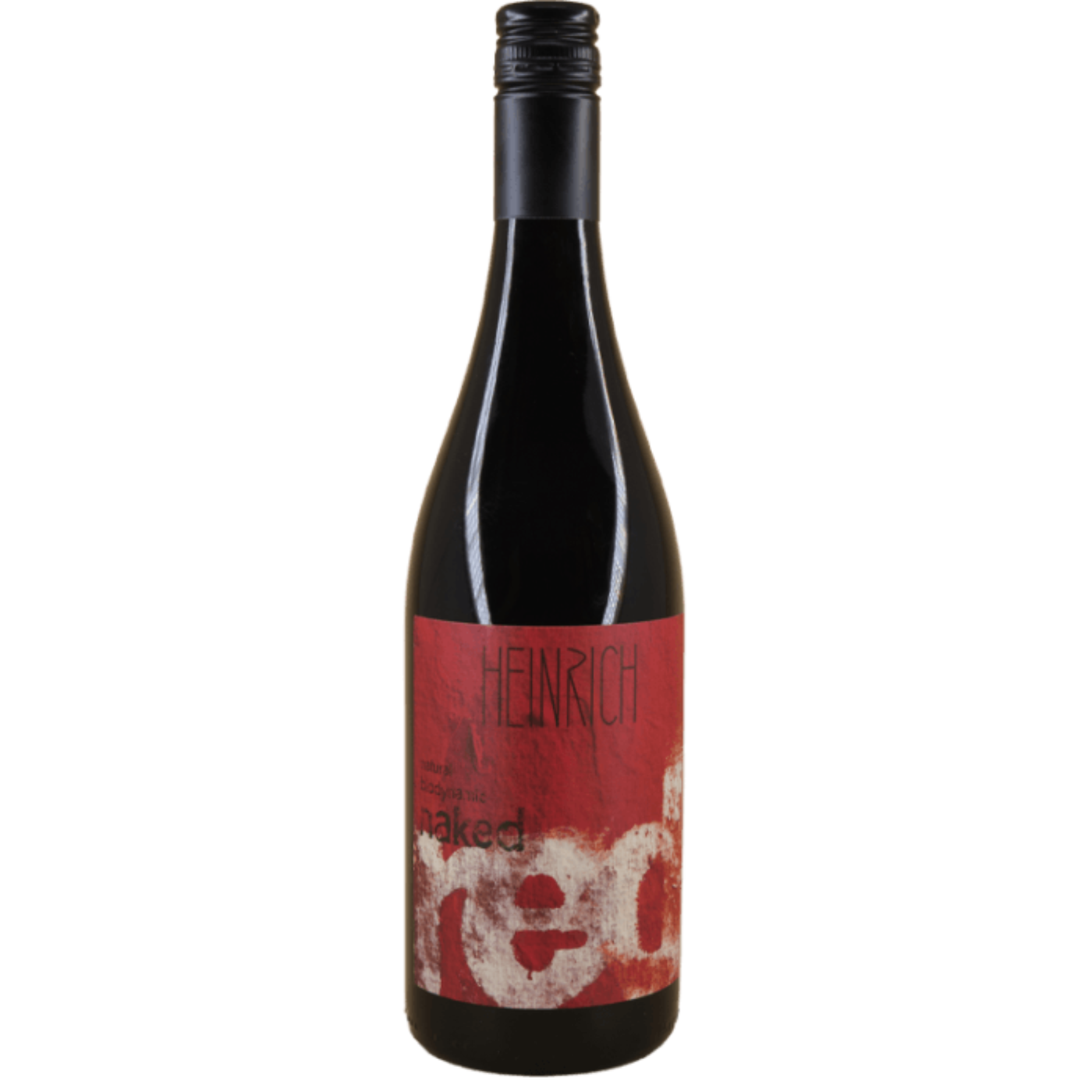
Heinrich Naked Red NV
Producer Weingut Heinrich Wine Naked Red Vintage NV Country Austria Region Burgenland Subregion Not specified Grapes Zweigelt, Blaufränkisch and St. Laurent Format 750 ml Character Fresh and well made, with bright red fruit, black pepper and an energetic profile. TCJ assessment A very well-made red centered on freshness and
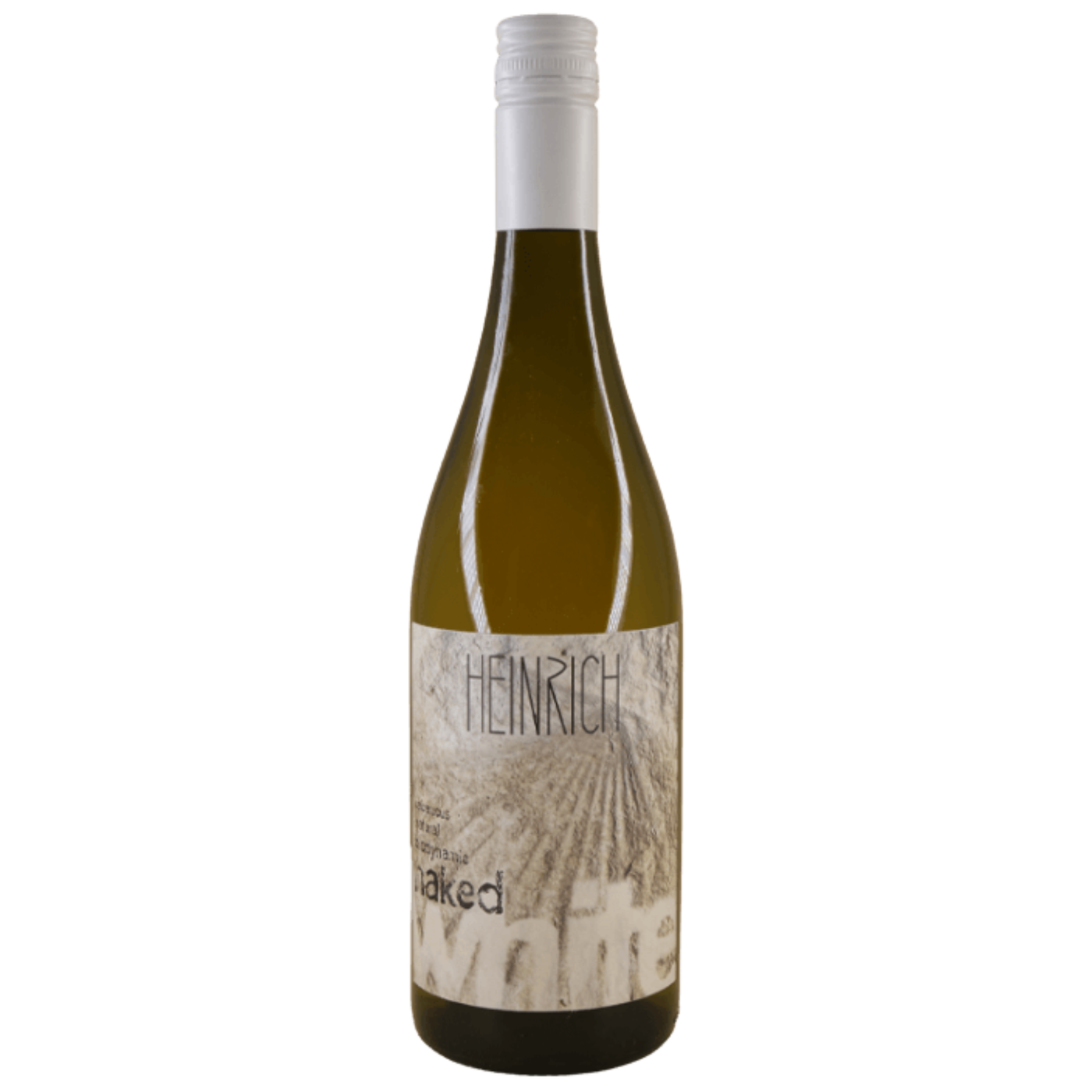
Heinrich Naked White 2024
Producer Weingut Heinrich Wine Naked White Vintage 2024 Country Austria Region Burgenland Subregion Not specified Grapes Chardonnay, Pinot Blanc, Welschriesling and Grüner Veltliner Format 750 ml Character Aromatic and slightly wild, with a rounded palate and good overall balance. TCJ assessment An aromatic white with a slightly wilder expression, giving

In Walla Walla, Hospitality Moves Back to the Vineyard
Bledsoe Family Winery moves its Walla Walla hospitality from downtown to the vineyard. TCJ examines the investment, the regional economics and what remains unproven.