Thorvald Is Scaling in California Vineyards Before Full Autonomy
More than 100 Thorvald UV-C robots are expected to treat 2,600 acres of California vineyards in 2026. Research supports powdery mildew control, but cost, field reliability and a 1977 safety rule still limit full autonomy.

More than 100 UV-C robots are expected to treat 2,600 acres in 2026. The science supports powdery mildew control, but cost, field reliability and a 1977 safety rule still define what the machines can do.
What happened
More than 100 Thorvald robots have been deployed across 27 California vineyards, with Saga Robotics expecting the machines to treat approximately 2,600 acres during the 2026 season. That would double the 1,300 acres the company reported treating in 2025 and move the system beyond isolated trials into a meaningful commercial test.
The machines travel through vineyard rows at night and expose the canopy to germicidal ultraviolet light. The immediate target is grapevine powdery mildew, one of California viticulture's most persistent diseases. Unlike a conventional spray rig, Thorvald carries no fungicide tank. It applies UV-C repeatedly, using timing and light rather than a chemical residue to interrupt the pathogen.
The San Francisco Chronicle reported the expansion through the experience of Walsh Vineyard Management, a Napa-based company that farms approximately 4,500 acres for multiple clients. Walsh began testing Thorvald in 2026 at sites including the 51-acre Wilson Vineyard in Sonoma. The trial also revealed the difference between a controlled demonstration and an operating vineyard: in May, one robot became trapped in a gopher hole, kept its lights on and damaged three vines.
The treatment is older than the machine's California scale
The underlying idea is not new. Cornell researchers began reporting vineyard trials with nighttime UV-C years before the present California expansion. Powdery mildew can repair some ultraviolet damage when exposed to daylight. Applying UV-C after dark limits that repair process and allows lower doses to be effective.
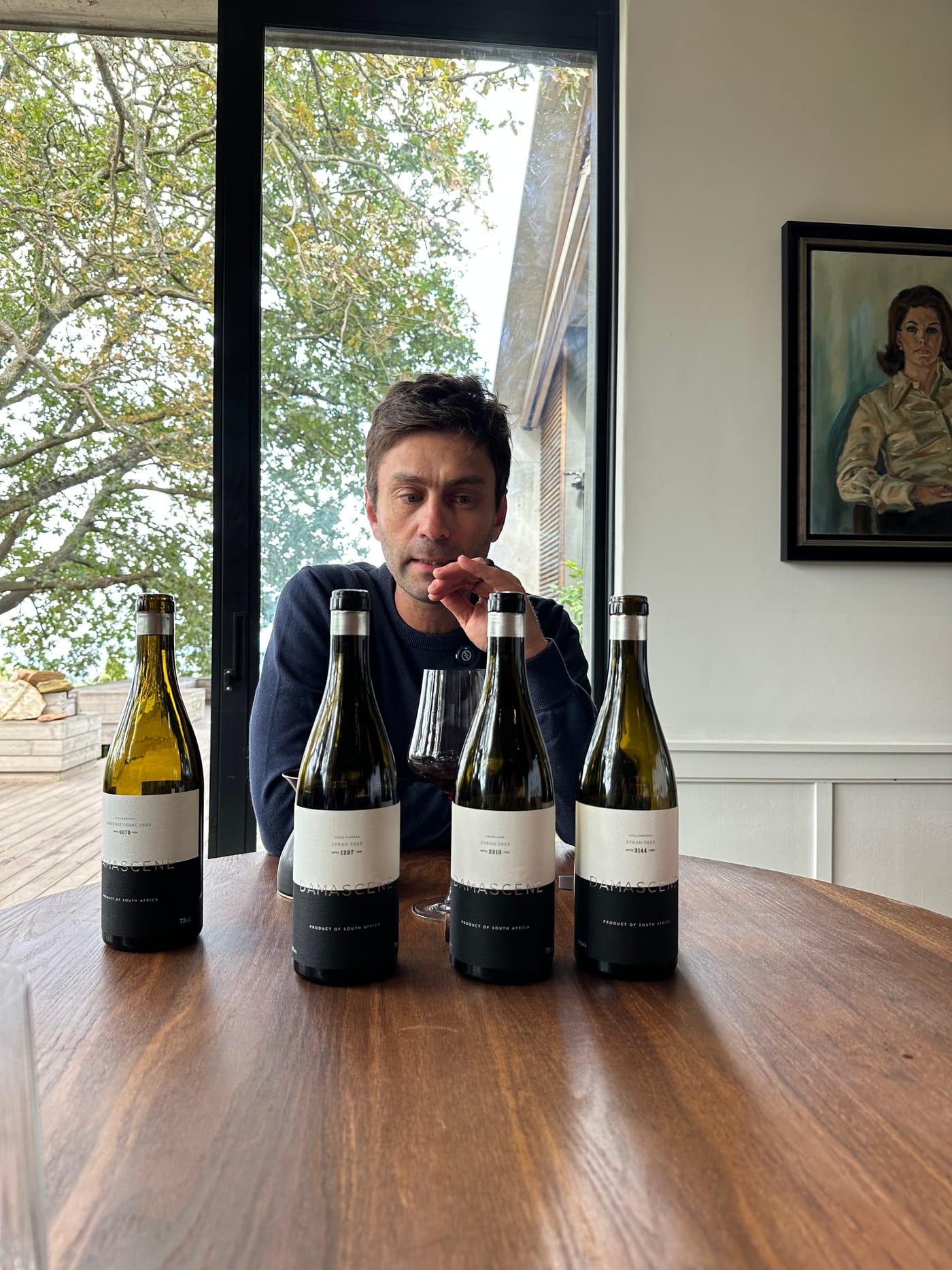
At Damascene, One Cellar Holds Many South Africas
At Damascene in Elgin, Jean Smit uses gentle cellar methods to preserve the differences among Franschhoek Sémillon, Stellenbosch Cabernet Franc, regional Syrah and Moya Meaker Riesling across South Africa’s Western Cape.
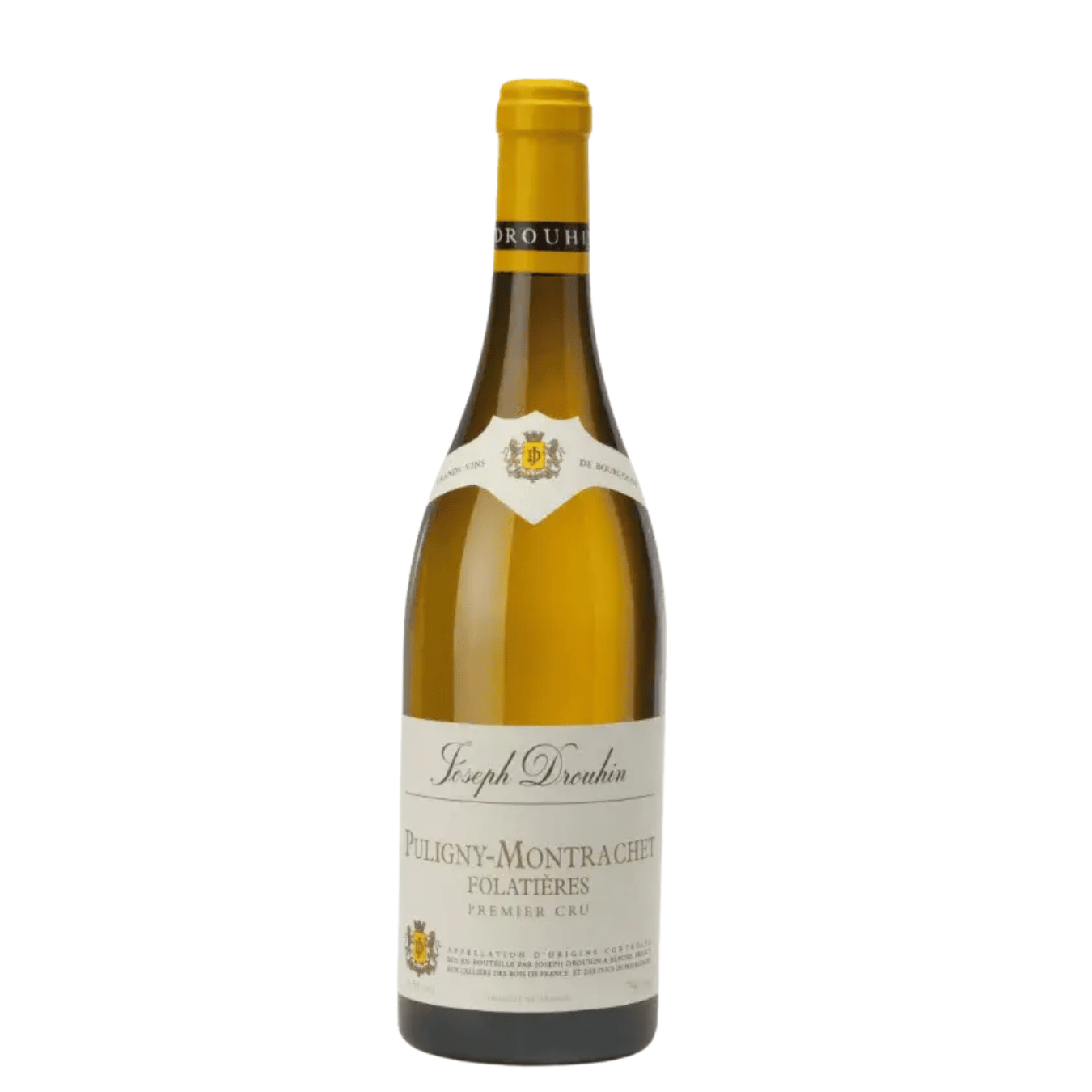
Joseph Drouhin Puligny-Montrachet 1er Cru Les Folatières 2022
Members Only — subscribe to read.

SAKE The Essential Guide
A complete introduction to sake, connecting rice, kōji, yeast, fermentation, classifications and service to explain how Japanese brewers transform a neutral grain into one of the world’s most technically complex beverages.