The Vineyard Is Moving Ahead of the Calendar
A powerful El Niño is colliding with earlier harvests and a warmer climate. TCJ examines ancestral grapes and how France, Catalonia, Douro, Mendoza and Australia are adapting.

Earlier harvests, ancestral grapes and a powerful El Niño reveal a harder question: how does viticulture adapt when a natural climate cycle begins operating on a warmer baseline?
The calendar moved first
The first sign was not a thermometer. It was the calendar. In the summer of 2026, reports from Alsace and Saint-Émilion described harvest activity in the second half of August, while Champagne published its official commune by commune picking dates on August 12. Each announcement belonged to a specific place, grape and production decision. None, by itself, could prove a global trend. Together, however, they repeated a pattern that has become increasingly difficult to dismiss as an exceptional vintage.
Wine regions have always known early years. Warm springs, dry summers and sudden heat have appeared throughout their histories. The archive of wine is full of unusual seasons, and the vine is not a machine that responds to temperature alone. Rainfall, soil water, crop load, disease pressure, pruning, canopy and the style a producer intends to make can all alter a harvest date. That complexity is precisely why a single early vintage should never be turned into a climate verdict.
But the long record changes the scale of the question. A reconstructed series of harvest dates in Beaune runs from 1354 to 2018. From 1354 to 1987, picking began on average from September 28. During the rapid warming period from 1988 to 2018, it began thirteen days earlier. Burgundy has recorded hot intervals before. What distinguishes the recent period is not the existence of warmth, but its concentration, persistence and speed.
This is a point of view, not a verdict. Disagree with us — write to the editors.
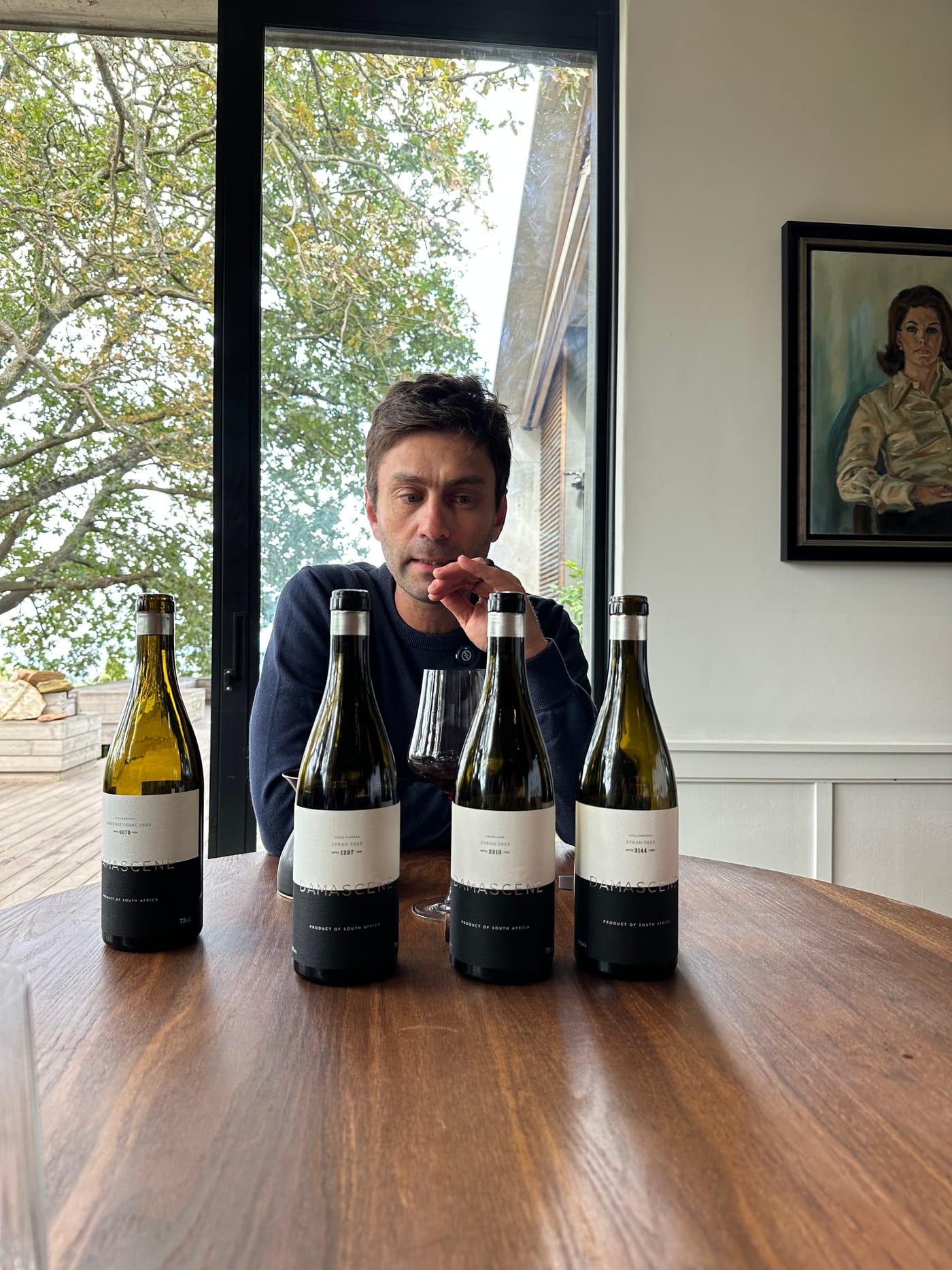
At Damascene, One Cellar Holds Many South Africas
At Damascene in Elgin, Jean Smit uses gentle cellar methods to preserve the differences among Franschhoek Sémillon, Stellenbosch Cabernet Franc, regional Syrah and Moya Meaker Riesling across South Africa’s Western Cape.

SAKE The Essential Guide
A complete introduction to sake, connecting rice, kōji, yeast, fermentation, classifications and service to explain how Japanese brewers transform a neutral grain into one of the world’s most technically complex beverages.

Thorvald Is Scaling in California Vineyards Before Full Autonomy
More than 100 Thorvald UV-C robots are expected to treat 2,600 acres of California vineyards in 2026. Research supports powdery mildew control, but cost, field reliability and a 1977 safety rule still limit full autonomy.