Seven New Masters of Wine Join the Institute
The 2026 class now totals 11, the largest since 2021. The more significant development is geographic: the Institute has welcomed its first Masters of Wine based in Portugal and Hungary.
What happened
The Institute of Masters of Wine announced seven new members on August 20. Alice Archer MW and Owain Hughes MW are based in the United Kingdom; Weiran Liu MW in China; Gabriella Macari MW in the United States; Tiago Macena MW in Portugal; Jake Skakun MW in Canada; and Sue Tolson MW in Hungary.
Four candidates had already completed the qualification in February. The 2026 group therefore totals 11, the largest annual intake since 2021, when 13 people became Masters of Wine. The Institute now counts 427 active MWs across 31 countries.
The number seven should not obscure the more consequential detail. According to the Institute, Macena and Tolson are the first Masters of Wine based in Portugal and Hungary. Both countries have long wine histories, yet neither previously had a resident member of the organisation.
What the initials MW mean
Master of Wine is a professional qualification and membership title conferred by the London-based Institute of Masters of Wine. The first examination was held in 1953 and the Institute was established in 1955. It is separate from the Master Sommelier qualification, which belongs to a different organisation and places greater emphasis on restaurant service.
Candidates first complete the stage one assessment. At the end of stage two, they face three blind-tasting papers of 12 wines each and five closed-book theory papers. The practical papers require analysis of origin, variety, production, style, quality and commercial position. Theory covers viticulture, vinification, wine handling, business and contemporary issues.
Stage three is an original research paper of between 6,000 and 10,000 words. Passing the tasting, theory and research components is still not the final administrative step. A successful candidate must become a member of the Institute and sign its code of conduct before using the initials MW.
The title is not a job description. The current membership includes producers, buyers, merchants, journalists, consultants, academics, educators and hospitality professionals. Its common standard is the ability to connect technical knowledge, sensory analysis and commercial context.
What the numbers show
The 11 successful candidates make 2026 an unusually large year by recent standards. They do not, however, demonstrate that the examination has become easier. The Institute has not published a complete cohort pass rate with this announcement, and the annual total includes candidates completing different parts of the process over different periods.
The geographic expansion is more measurable. In June, 101 students sat the stage one assessment and 111 sat the stage two examination in Adelaide, London and Napa. The 2025-26 programme included 320 students from 46 countries. Against that international pipeline, the first resident MWs in Portugal and Hungary show both progress and how uneven the network remains.
TCJ View
The value of the MW title is not scarcity alone. Scarcity without a clear standard is simply exclusivity. The qualification matters because candidates must move between vineyard science, production, blind analysis, business and independent research, then defend conclusions with evidence.
This is why the arrival of seven new members deserves a short Dispatch rather than ceremonial coverage. Eleven passes will not reshape the wine industry by themselves. The first members based in Portugal and Hungary may have a wider effect through education, research and professional networks in countries that were absent from the Institute's resident map.
The next measure of progress is not whether the annual class becomes larger again. It is whether a global qualification continues to broaden where knowledge is produced, whose questions become research and which wine cultures participate in setting professional standards.
Sources
Institute of Masters of Wine: August 2026 announcement, member biographies, exam structure, participation figures, history and code of conduct
The Drinks Business: report on the 2026 class

Failla’s $17.5 Million Debt Crisis Is Bigger Than One Winery
Failla Wines faces possible foreclosure after its lender claimed more than $17.5 million in unpaid debt. The case shows how slower wine sales, higher interest rates and illiquid real estate can threaten even one of California’s most respected producers.
Elton John Zero Is Not Dealcoholized Wine. That Is Precisely the Point.
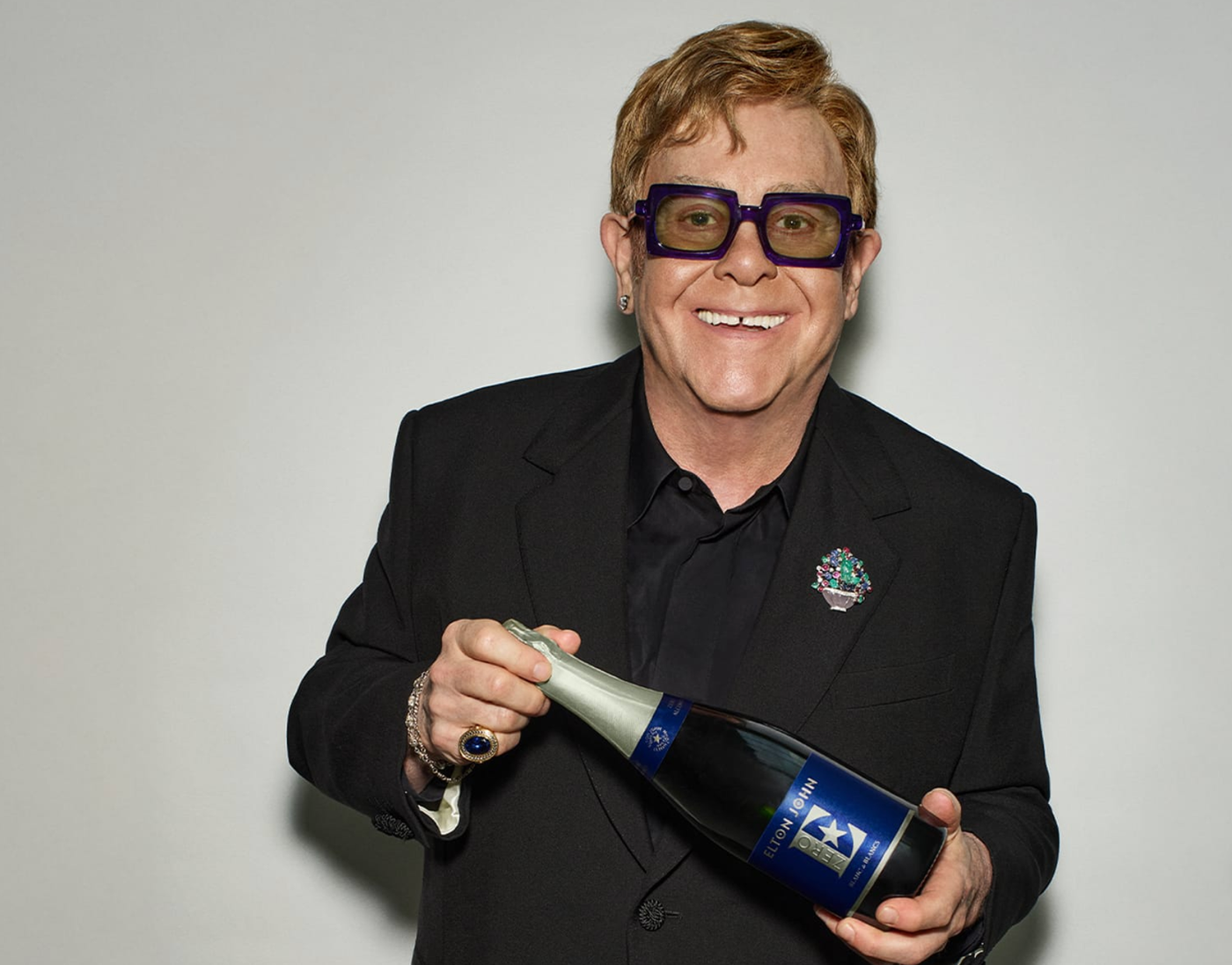
Elton John Zero is not a finished wine with the alcohol removed. Made with 7% fermented Chardonnay concentrate, green-tea tannin and carbonation, it represents a new generation of wine-inspired drinks built for occasions when consumers want the ritual without the alcohol.
Sherry Week almost over. The Work of Keeping Jerez Alive Is Not.
Sherry Week has become more than a global celebration. As sales continue their long decline, the initiative is helping Jerez turn admiration into consumption, while the rise of vinos de pasto offers a new route into one of wine’s richest and most complex cultures.