In Walla Walla, Hospitality Moves Back to the Vineyard
Bledsoe Family Winery moves its Walla Walla hospitality from downtown to the vineyard. TCJ examines the investment, the regional economics and what remains unproven.

Bledsoe Family Winery has replaced a small downtown room with a vineyard-side hospitality site. Beyond the former quarterback in the headline, the project shows how a wine region is trying to convert place, time and direct relationships into economic value.
What happened
Bledsoe Family Winery has begun operating a new hospitality site on the south side of the Walla Walla Valley after a soft opening in late July. A formal opening is scheduled for August 29. The project replaces the producer's leased room in downtown Walla Walla with a purpose-built site among vineyards on Pepper's Bridge Road.
The central tasting room is approximately 2,700 square feet. Northwest Wine Report described three surrounding barn-like structures intended for private rooms, offices and storage, together with outdoor areas designed for events. The winery has not announced a hotel, restaurant or resort. The phrase destination should therefore be read as a hospitality ambition, not as a new category of property.
The celebrity is not the useful fact
Drew Bledsoe gives the story an immediate headline. He was an NFL quarterback and is a native of Walla Walla. The wine business, however, predates this opening by nearly two decades. Drew and Maura Bledsoe established Doubleback in 2007, and Josh McDaniels has developed the operation as chief executive, director of winemaking and partner. Bledsoe Family Winery followed as a broader sister project in 2017.
The new building is not a sudden celebrity conversion of sport into wine. It is the latest physical investment by an established local producer with multiple brands, vineyards and hospitality sites in Washington and Oregon. That distinction matters because the project should be judged as wine infrastructure, not as an extension of sporting fame.
From downtown convenience to vineyard context
The move changes the kind of encounter the winery can control. Downtown Walla Walla offers walkability, restaurants, accommodation and more than 30 tasting rooms within a compact area. The south side offers a different asset: proximity to vineyards, open views and enough land for larger gatherings. Bledsoe is trading urban convenience for a stronger physical connection between the brand and the landscape it claims.
This does not mean that vineyard hospitality is new to Walla Walla. The valley already operates through six distinct wine districts, and many south-side producers have built their identity around estate settings. The Bledsoe opening is relevant because a producer that had occupied downtown is deliberately moving in the opposite direction, asking visitors to leave the commercial centre and spend more time inside one controlled environment.
The design also separates the encounter into different scales. A central room can serve general traffic, while smaller structures can hold private groups and the exterior can absorb events. Architecture becomes part of distribution: not merely a place where wine is presented, but a system for extending time, segmenting audiences and strengthening direct relationships.
Why hospitality matters in Walla Walla
Walla Walla is unusually dependent on the relationship between wine and travel. The Walla Walla Valley Wine Alliance reports more than 135 wineries and 2,933 planted vineyard acres across the cross-border appellation. Its 2024 economic study estimated 573,000 visits to wineries and tasting rooms in 2023, US$167 million in visitor spending and US$522 million in total business sales connected to the wine industry.
Those figures come from the regional industry association and should be understood as an economic-impact estimate, not audited revenue for every business. Even with that qualification, they show why a tasting room is more than presentation. In Walla Walla, hospitality helps connect wine to accommodation, food, employment, events and the wider value of the destination.
The opening arrives during contraction
The timing makes the investment more interesting. Washington harvested 108,000 tons of wine grapes in 2025, according to the state wine commission, 28 percent below the previous year. The commission explicitly connected the decline to the downturn in the global wine industry. A new hospitality site does not reverse that contraction, but it shows one way a producer with sufficient capital is responding: investing in the direct encounter rather than relying only on volume moving through wholesale channels.
That response cannot be generalized to every winery. Purpose-built architecture requires capital, a recognisable brand and enough customer demand to support the fixed cost. Smaller producers may depend more heavily on shared downtown traffic or collective regional events. The Bledsoe model is therefore evidence of one strategy available to a well-established business, not a universal solution for Washington wine.
What is confirmed
The site is operating after a late-July soft opening, and the formal opening is scheduled for August 29. It is located on the south side of the valley, surrounded by vineyard land. The main building is approximately 2,700 square feet, with additional structures and outdoor space. Signum Architecture designed the project, and Pacific Flyway was identified as the contractor during planning.
The producer has consistently described the previous downtown space as too small for its needs, particularly for larger member and community events. The new location was announced in 2024, broke ground in 2025 and opened in 2026. This is a completed transition with a visible operating site, not simply a rendering or future intention.
What remains unknown
No public source reviewed by TCJ discloses the project cost, financing structure, maximum visitor capacity, annual attendance target or expected effect on direct sales. The winery has not published comparative figures for its downtown and vineyard locations, nor has it shown how much of its business depends on visitors, members, wholesale accounts or other channels.
There is also no evidence yet that the new site will extend average stays in Walla Walla, redistribute traffic between downtown and the south side or generate additional travel to the region. Those outcomes may be part of the ambition, but they require time and data. An opening proves investment. It does not yet prove economic return.
TCJ View
The easiest version of this story is that a former NFL star has opened an impressive winery destination. That framing is true only at the surface. The more consequential fact is that a mature Walla Walla producer has decided the place where it meets people deserves new capital even while the wider Washington industry is contracting.
Wine regions have spent years arguing that origin matters. Vineyard-based hospitality attempts to make that argument physical. The landscape is no longer a photograph behind the counter. It becomes the context surrounding the visitor, the event and the brand. When the distinction between one bottle and another becomes difficult to communicate through retail alone, place can carry part of the explanation.
There is a tension inside that strategy. The more complete and controlled the private environment becomes, the easier it is for the region outside the gate to disappear. A successful wine destination should deepen attention to Walla Walla, not reduce the valley to scenery for a single brand. The test for this project will not be the fame of its founder or the polish of its architecture. It will be whether the new site converts hospitality into a clearer understanding of place and creates value that extends beyond its own walls.
Sources
Tri-City Herald: NFL legend is turning his Walla Walla winery into a destination, published August 26, 2026
https://www.tri-cityherald.com/living/food-drink/article316793441.html
Tri-Cities Area Journal of Business: New tasting room opens for Bledsoe Family Winery, published August 13, 2026
https://www.tricitiesbusinessnews.com/articles/new-tasting-room-opens-for-bledsoe-family-winery
Northwest Wine Report: Bledsoe Family Winery breaks ground on new Walla Walla tasting room, published November 17, 2025
https://www.northwestwinereport.com/2025/11/bledsoe-family-winery-walla-walla-tasting-room.html
Tri-Cities Area Journal of Business: Two wineries, two plans for new tasting rooms, published August 16, 2024
https://www.tricitiesbusinessnews.com/articles/mercer-bledsoe
Walla Walla Valley Wine Alliance: regional facts, wine districts and 2024 economic-impact study
https://www.wallawallawine.com/about/
https://www.wallawallawine.com/wine-region/about-the-ava/
Washington State Wine Commission: Washington Reports High Quality for 2025 Wine Harvest, published April 22, 2026
https://www.washingtonwine.org/press_release/washington-reports-high-quality-for-2025-wine-harvest/
Bledsoe Wine Estates: company history and portfolio
https://bledsoewineestates.com/
https://doubleback.com/About-Us/Our-Story
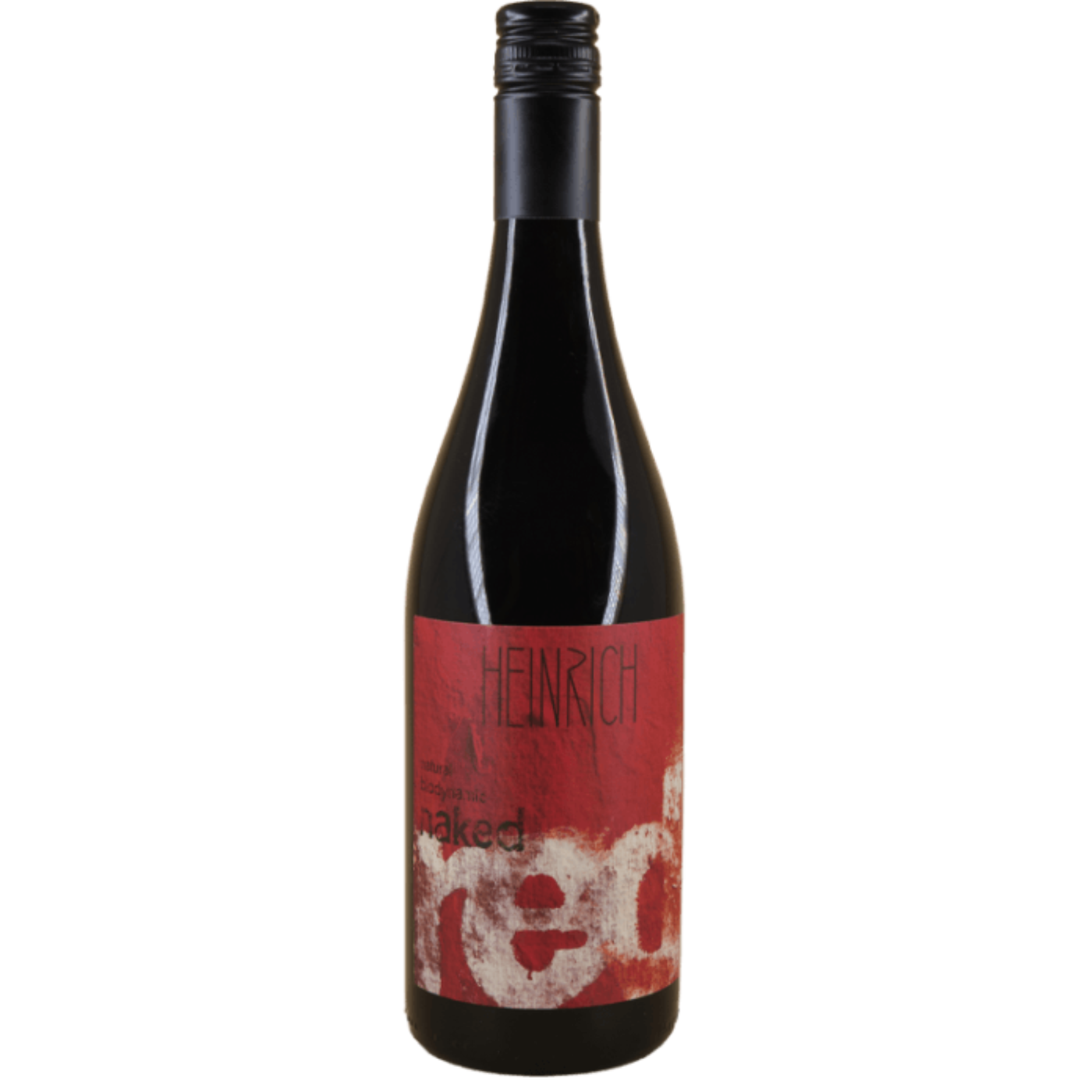
Heinrich Naked Red NV
Producer Weingut Heinrich Wine Naked Red Vintage NV Country Austria Region Burgenland Subregion Not specified Grapes Zweigelt, Blaufränkisch and St. Laurent Format 750 ml Character Fresh and well made, with bright red fruit, black pepper and an energetic profile. TCJ assessment A very well-made red centered on freshness and
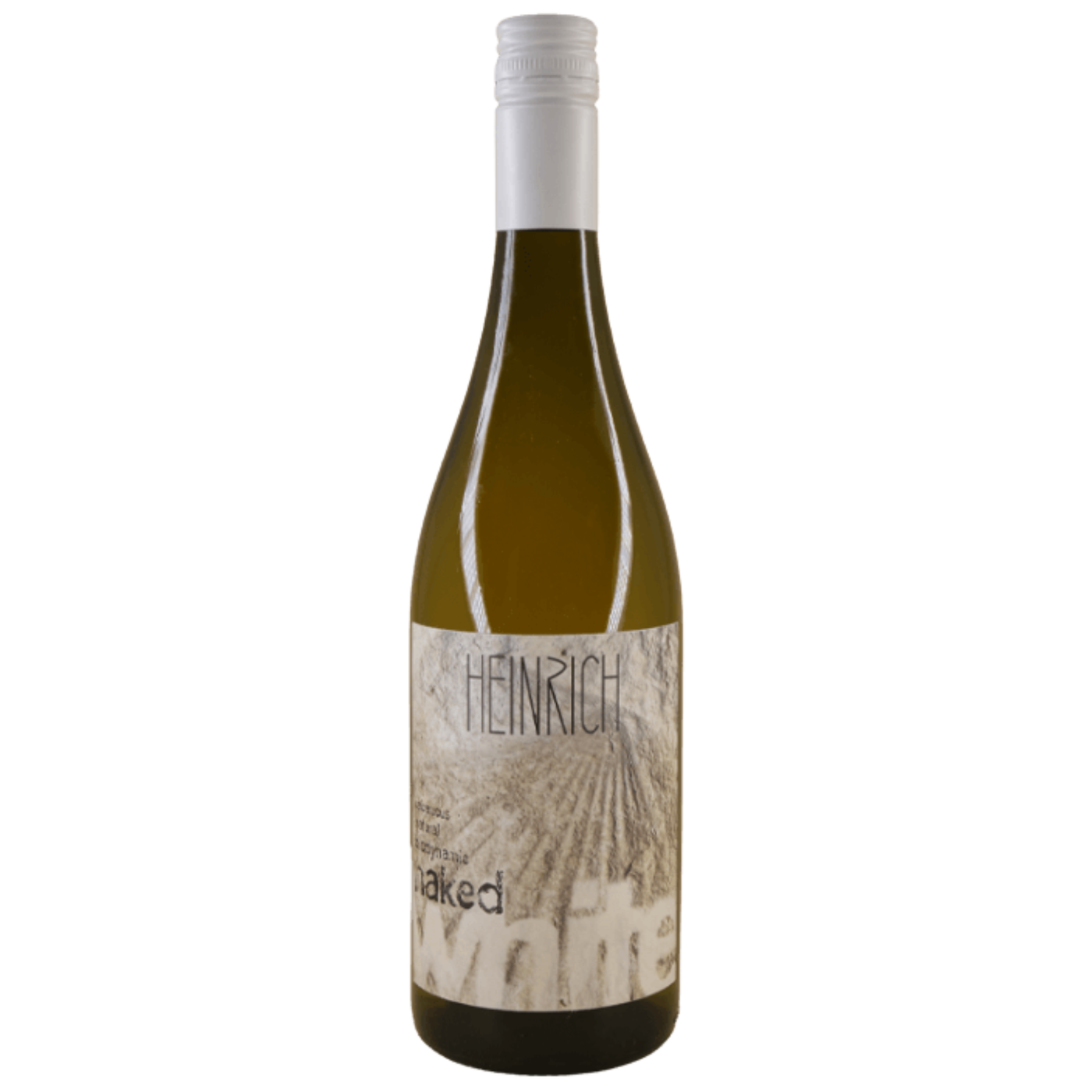
Heinrich Naked White 2024
Producer Weingut Heinrich Wine Naked White Vintage 2024 Country Austria Region Burgenland Subregion Not specified Grapes Chardonnay, Pinot Blanc, Welschriesling and Grüner Veltliner Format 750 ml Character Aromatic and slightly wild, with a rounded palate and good overall balance. TCJ assessment An aromatic white with a slightly wilder expression, giving
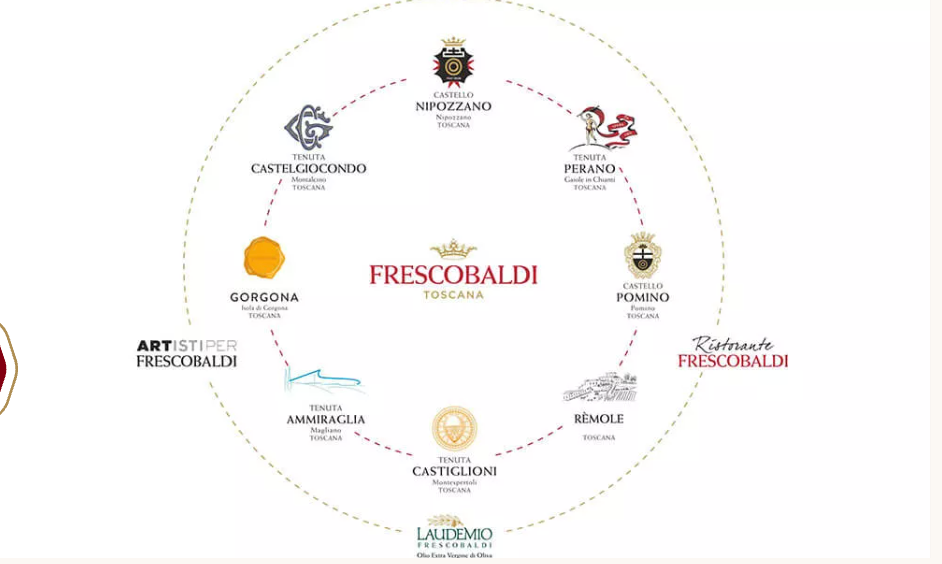
Vittorio Frescobaldi, Who Opened a Tuscan Dynasty to the World, Dies at 97
Vittorio Frescobaldi dies at 97. TCJ examines how he helped turn a Tuscan wine dynasty into a modern international company and prepared its succession.