How Champagne Builds a Style
Champagne style is shaped by more than producer size. From Moët, Ruinart and Krug to Jacques Selosse and Jérôme Prévost, this Perspective explains how grapes, villages, reserve wines, vintages, parcels, oak, lees ageing and dosage distinguish maisons from growers.

The difference between a maison and a grower is often described as scale. The more revealing distinction is how each producer uses grapes, villages, reserve wines, vintages and parcels to define a style.
The difference between houses and growers is not just size
Champagne is often introduced through a convenient opposition. The large maisons buy grapes across the region, blend widely and maintain a consistent house style. Growers work their own vines, bottle smaller quantities and often focus more closely on a village or parcel. The distinction is real, but it becomes misleading when it is treated as a hierarchy of taste. Size does not decide whether a wine expresses place. Ownership does not decide whether a wine has an individual winemaking style. Even consistency, so often presented as the opposite of terroir, can be built from a detailed understanding of regional differences.
The legal categories describe economic structure. A Négociant Manipulant, identified by NM on the label, may use grapes from its own vines and buy grapes, must or wine from others. All of the major houses belong to this category. A Récoltant Manipulant, or RM, makes Champagne from grapes exclusively sourced from its own vineyards. That tells us who controls the raw material. It does not tell us whether the wine was fermented in steel or oak, whether malolactic fermentation was blocked, whether the reserve wines were kept reductively or exposed to oxygen, whether the dosage is low or whether the final blend comes from one slope or fifty villages.
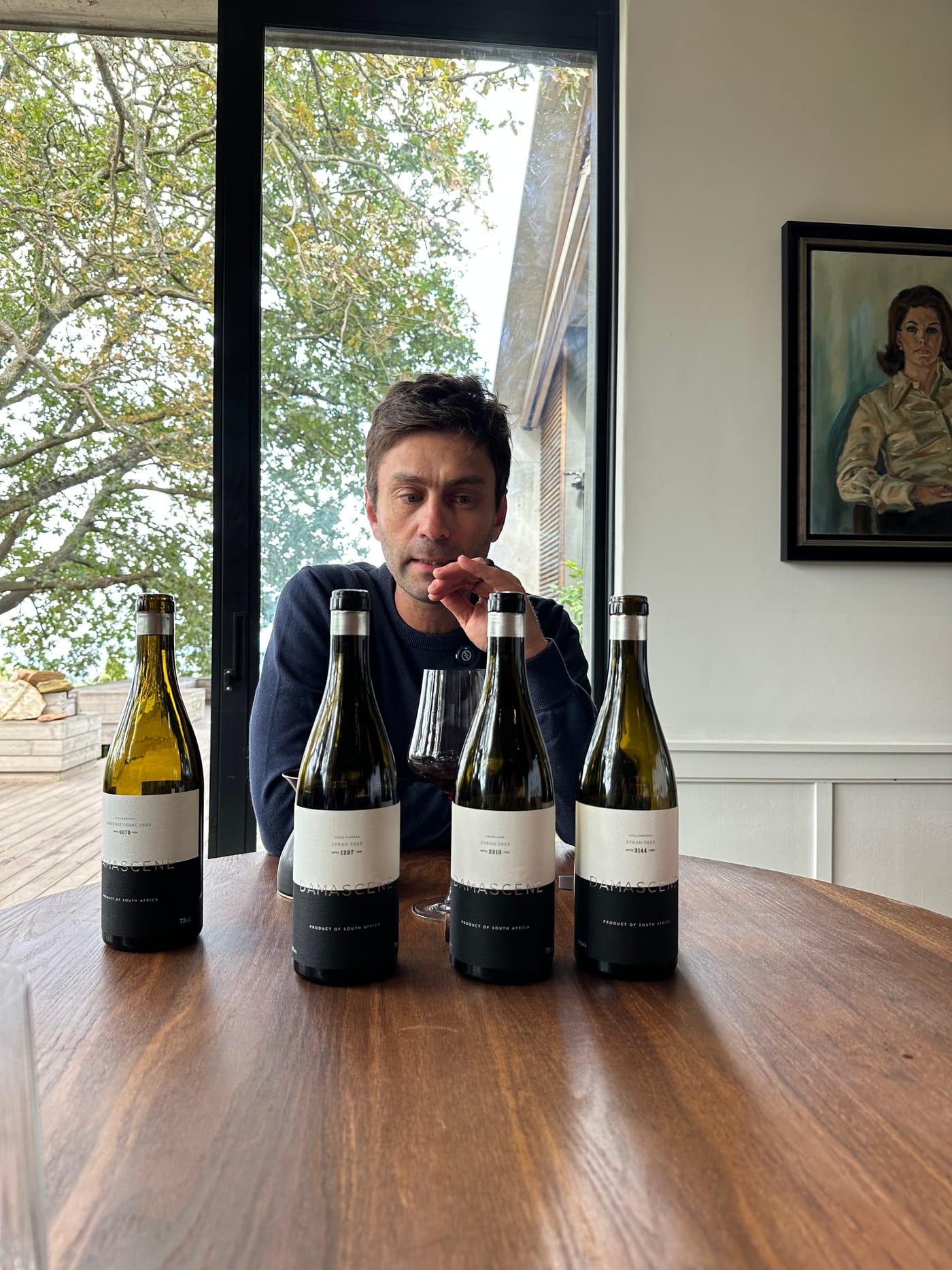
At Damascene, One Cellar Holds Many South Africas
At Damascene in Elgin, Jean Smit uses gentle cellar methods to preserve the differences among Franschhoek Sémillon, Stellenbosch Cabernet Franc, regional Syrah and Moya Meaker Riesling across South Africa’s Western Cape.
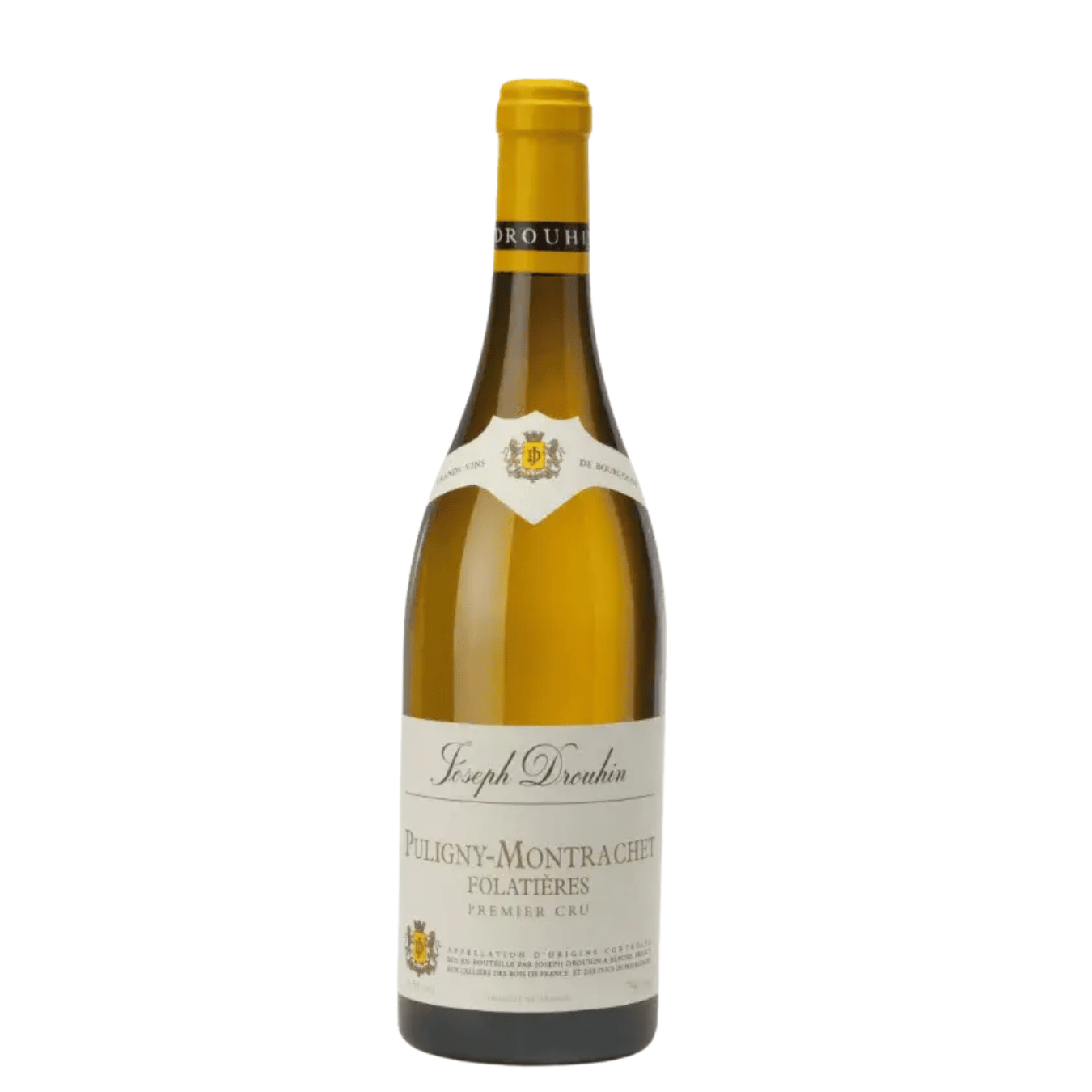
Joseph Drouhin Puligny-Montrachet 1er Cru Les Folatières 2022
Members Only — subscribe to read.
SAKE The Essential Guide
A complete introduction to sake, connecting rice, kōji, yeast, fermentation, classifications and service to explain how Japanese brewers transform a neutral grain into one of the world’s most technically complex beverages.