France's 2026 Wine Shortfall Is More Than a Harvest Story
France's 2026 wine output is forecast at 33.9 million hectolitres, among the lowest in 30 years. Heat and drought reduced yields, but vineyard removal and falling demand show that the contraction is structural as well as climatic.
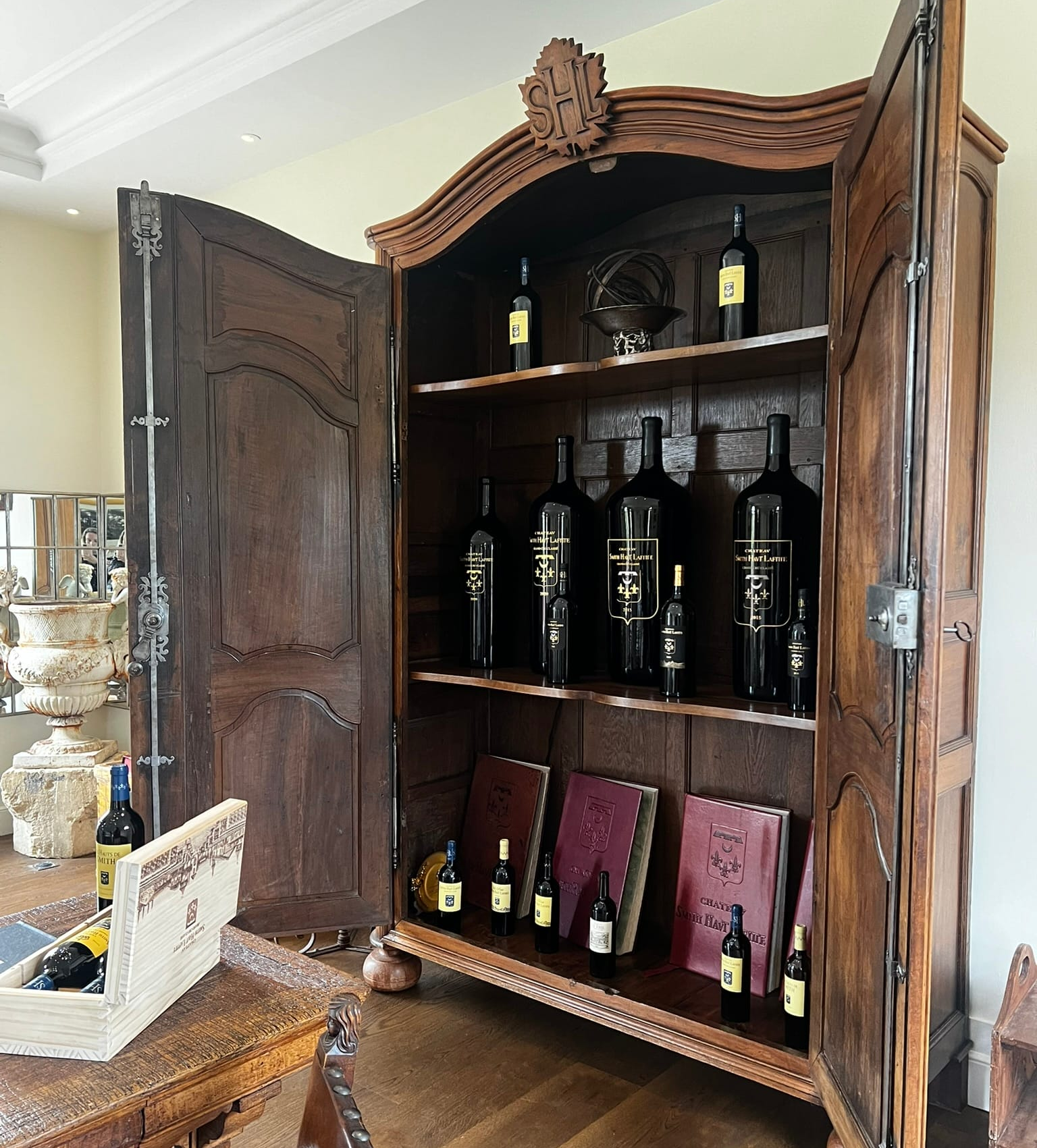
Production is forecast at 33.9 million hectolitres, among the lowest levels in 30 years. Heat and drought reduced yields, but a smaller vineyard and weaker demand show that the contraction is structural as well as climatic.
What happened
France's agriculture ministry estimates that the country will produce 33.864 million hectolitres of wine in 2026. That is 6% less than in 2025, 17% below the average of the previous five years and one of the smallest national crops of the past three decades. The estimate, published by Agreste on September 3, remains provisional while harvests continue.
CNN brought the number into focus through an interview with Florence Cathiard, owner of Château Smith Haut Lafitte in Pessac-Léognan. Cathiard described an exceptionally hot and dry season, but said the estate expected to preserve freshness and balance. She cited canopy protection, deep-rooted vines and limited irrigation of young plants under a derogation as part of its response. She also said that nearby wildfires had not materially affected the estate's vineyards.
The interview creates a useful contrast. France can record a historically small crop while an individual Bordeaux estate remains optimistic about quality. Those statements are not contradictory. They describe different scales, and confusing them would obscure what the 2026 harvest actually reveals.
A smaller crop built from different causes
Weather explains part of the decline. Agreste reported that favourable conditions at the beginning of the season initially supported production potential. Persistent heat and limited rainfall then accelerated ripening and restricted berry growth. Late rain improved conditions in some places, but did not reverse the national reduction.
The vineyard itself is also smaller. Agreste estimates that France's productive vineyard area fell by 2.5% from 2025. That means the national total is not simply the result of lower yields on an unchanged surface. Fewer productive hectares were available before the effects of summer heat and drought were fully counted.
This continues a broader adjustment. The International Organisation of Vine and Wine estimates that France's total vineyard area fell by approximately 34,000 hectares in 2025, a 4.4% annual reduction. Some land left production through organised grubbing-up programmes intended to reduce oversupply. Other hectares reflect longer-term economic pressure. The 2026 shortfall therefore combines an involuntary climatic shock with a contraction that part of the industry has actively pursued.
One national figure, several regional harvests
The national total hides sharply different regional movements. Agreste expects Champagne to produce 49% less than in 2025 and 47% less than its five-year average. Bourgogne-Beaujolais is forecast to fall by 33% from both comparisons. In these regions, lower permitted yields, weather pressure and local crop conditions pull the total decisively downward.
Bordeaux follows a different direction. Its production is forecast to rise by 5% from the very small 2025 crop, while remaining 11% below the five-year average. Languedoc-Roussillon is also projected to increase by 5% year on year but remain 8% below its recent average. A positive annual comparison in either region does not mean a return to normal. It often shows how low the previous base had become.
This distinction matters when the word vintage is used. A national production estimate measures volume across appellations, categories and markets. It does not describe a single growing season with a uniform effect, and it cannot predict the quality or commercial position of every wine produced within it.
What Smith Haut Lafitte can tell us
Cathiard's account is most valuable as a study of adaptation at estate level. Keeping more leaf cover can protect bunches from direct sunlight. Older vines with established root systems can reach water held deeper in the soil. Carefully limited irrigation can help young vines survive when local rules permit it. These are concrete choices, not abstract climate language.
They also reveal the role of resources. A classified estate can observe parcels closely, change canopy decisions, protect young vines and absorb the higher labour and technical costs of a difficult season. Growers producing grapes for lower-value markets may face the same heat with less financial room to respond. The capacity to adapt is not distributed as evenly as the weather risk.
Some of Cathiard's conclusions still need to be treated as estate claims. Organic certification does not by itself prove deeper rooting or drought resilience. The absence of obvious fire impact does not replace grape or wine analysis for smoke-related compounds. Her comparison with successful warm years such as 1982, 2005 and 2022 is a historical analogy, not evidence that the finished 2026 wines will follow the same path.
Low volume does not automatically mean a healthier market
In another cycle, a crop this small might immediately suggest scarcity. The present market is more complicated. The OIV estimates that world wine consumption fell to 208 million hectolitres in 2025, down 2.7% in one year and 14% since 2018. France itself consumed an estimated 22 million hectolitres, 3.2% less than in 2024 and 7.2% below its five-year average.
The OIV's conclusion is important: several years of below-average production have helped reduce pressure from unsold stocks rather than create widespread shortages. A smaller crop can improve balance where supply has exceeded demand, but the benefit is uneven. It does not automatically restore growers' margins, replace lost vineyard income or create consumers for categories already struggling to sell.
This is why the 2.5% decline in productive area changes the meaning of the forecast. France is not merely waiting for yields to recover after a difficult summer. Part of the production base is being removed while domestic and global demand remain under pressure. Climate is accelerating a correction that the market had already begun to demand.
Quality and quantity must remain separate
Warm and dry conditions can reduce volume while producing healthy, concentrated fruit in well-managed parcels. They can also push sugar accumulation ahead of phenolic development, lower acidity, increase water stress and expose young vines to serious damage. Which outcome dominates depends on region, site, variety, vine age, soil, rainfall and the decisions made before harvest.
The 2026 quality question is therefore still open. Reliable assessment will require final yields, analytical data, information on sorting and smoke testing where relevant, and observation of the wines through élevage. Early optimism from Smith Haut Lafitte may prove justified. It cannot yet be extended to Bordeaux as a whole, much less to France.
What is confirmed
France's official September forecast stands at 33.864 million hectolitres, 6% below 2025 and 17% below the five-year average. Productive vineyard area is estimated to have fallen by 2.5% in one year. The national decline combines lower yields caused by heat and drought with less land in production.
Regional outcomes are not uniform. Champagne and Bourgogne-Beaujolais account for some of the sharpest reductions, while Bordeaux and Languedoc-Roussillon are expected to produce more than in 2025 but remain below their recent averages. Global and French consumption also declined in 2025, limiting any simple assumption that lower supply will create scarcity.
What remains unclear
The final size of the harvest is not yet known. Agreste will revise its estimate as picking concludes and declarations become available. The present figures do not show how the decline will be divided among appellation wine, IGP wine and wine without geographical indication at final count, or how much usable wine will remain after sorting and cellar decisions.
The commercial effect is equally uncertain. It is too early to know whether reduced production will materially lower stocks, strengthen grape prices or improve producer income. The quality of the finished wines, the geographic extent of any smoke exposure and the long-term survival of drought-stressed young vines also remain unresolved.
TCJ View
The most revealing fact about France's 2026 harvest is not that it may be one of the smallest in 30 years. It is that the country is becoming smaller in two different ways at the same time. Weather is taking volume from the vine, while market pressure and public policy are taking hectares out of production.
That distinction prevents two easy conclusions. The first is that a low crop must be a disaster for every producer. Smith Haut Lafitte shows how a prepared estate can find promise inside a hot, dry year. The second is that a low crop must solve the industry's imbalance. Falling consumption means that less wine can reduce stocks without repairing the economics of the vineyards that produced it.
The CNN interview captures one of French wine's strongest capacities: detailed adaptation at the level of an individual place. It also exposes the limits of using a prestigious estate to explain a national crisis. The vines, markets and financial resources behind 33.9 million hectolitres are too different for one château, one region or one climatic explanation to represent them all.
The question after 2026 is not only whether France can produce a great vintage in difficult conditions. It is which vineyards will still be economically and physically capable of reaching the next one.
Sources
CNN International: French wine industry faces one of its smallest harvests in decades, September 15, 2026
https://edition.cnn.com/world/video/french-wine-industry-production-cathiard-live-091504pseg2-cnni-world-fast
CNN transcript: Quest Means Business, September 15, 2026
https://transcripts.cnn.com/show/qmb/date/2026-09-15/segment/01
Agreste: Une production viticole 2026 estimée à 34 millions d'hectolitres, September 3, 2026
https://agreste.agriculture.gouv.fr/agreste-web/download/publication/publie/IraVit26107/2026_107inforapviticulture.pdf
Reuters: French wine output among lowest in 30 years after heatwaves, September 7, 2026
https://www.reuters.com/business/french-wine-output-be-among-lowest-30-years-after-heatwaves-2026-09-07/
International Organisation of Vine and Wine: State of the World Wine Sector in 2025, May 2026
https://www.oiv.int/sites/default/files/2026-05/OIV-State_of_the_World_Wine_Sector_in_2025_0.pdf

At Damascene, One Cellar Holds Many South Africas
At Damascene in Elgin, Jean Smit uses gentle cellar methods to preserve the differences among Franschhoek Sémillon, Stellenbosch Cabernet Franc, regional Syrah and Moya Meaker Riesling across South Africa’s Western Cape.
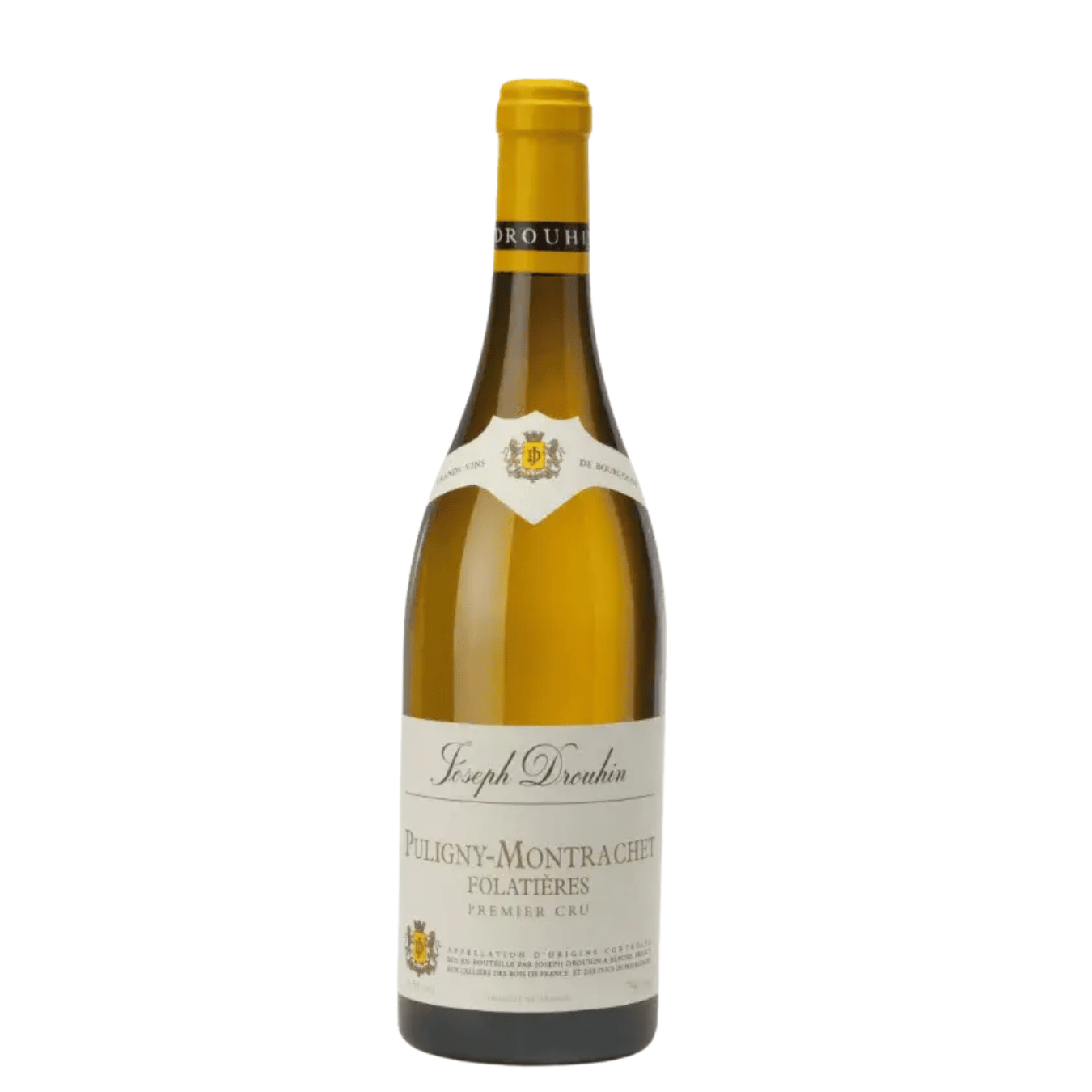
Joseph Drouhin Puligny-Montrachet 1er Cru Les Folatières 2022
Members Only — subscribe to read.

SAKE The Essential Guide
A complete introduction to sake, connecting rice, kōji, yeast, fermentation, classifications and service to explain how Japanese brewers transform a neutral grain into one of the world’s most technically complex beverages.