At Tarlant, Champagne Begins Beneath the Surface
At Champagne Tarlant in Œuilly, Benoît Tarlant reads the Vallée de la Marne parcel by parcel. Chalk, limestone, clay and sand guide organic farming, separate vinification, Meunier and zero-dosage wines, revealing how geology becomes style.
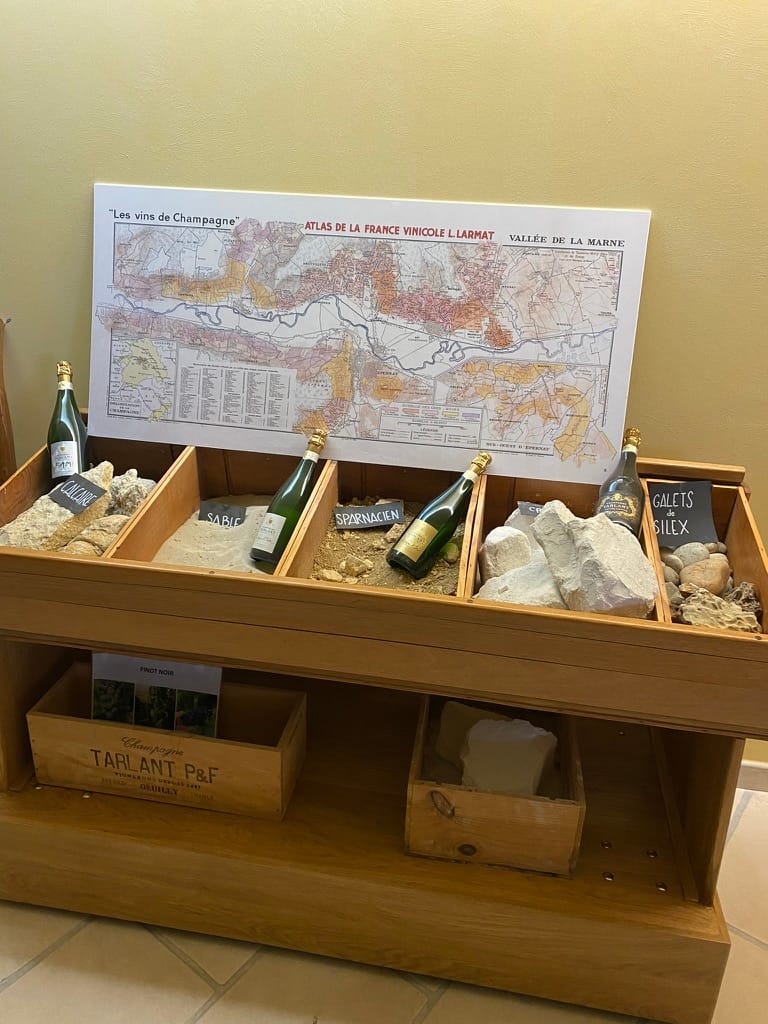
In Œuilly, Benoît Tarlant and Daniel Romano led us through a landscape where chalk, limestone, clay and sand are not background information. They are the beginning of every decision.
The first object on the table was not a bottle. It was a map.
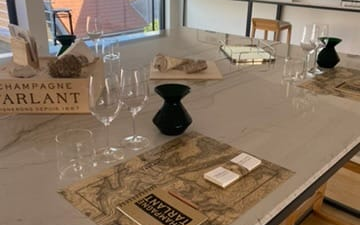
Spread beneath the glasses in the tasting room at Champagne Tarlant, it traced the folds of the Vallée de la Marne around Œuilly. Beyond the windows, the same landscape appeared in three dimensions: tiled roofs in the foreground, rows of vines climbing the slopes beyond them, and the long movement of the valley extending towards the west. Beside the map was a collection of stones. Some were pale and porous. Others were dense, dark or irregular, carrying the physical memory of very different geological periods. Before a wine was poured, the place had already begun to explain itself.
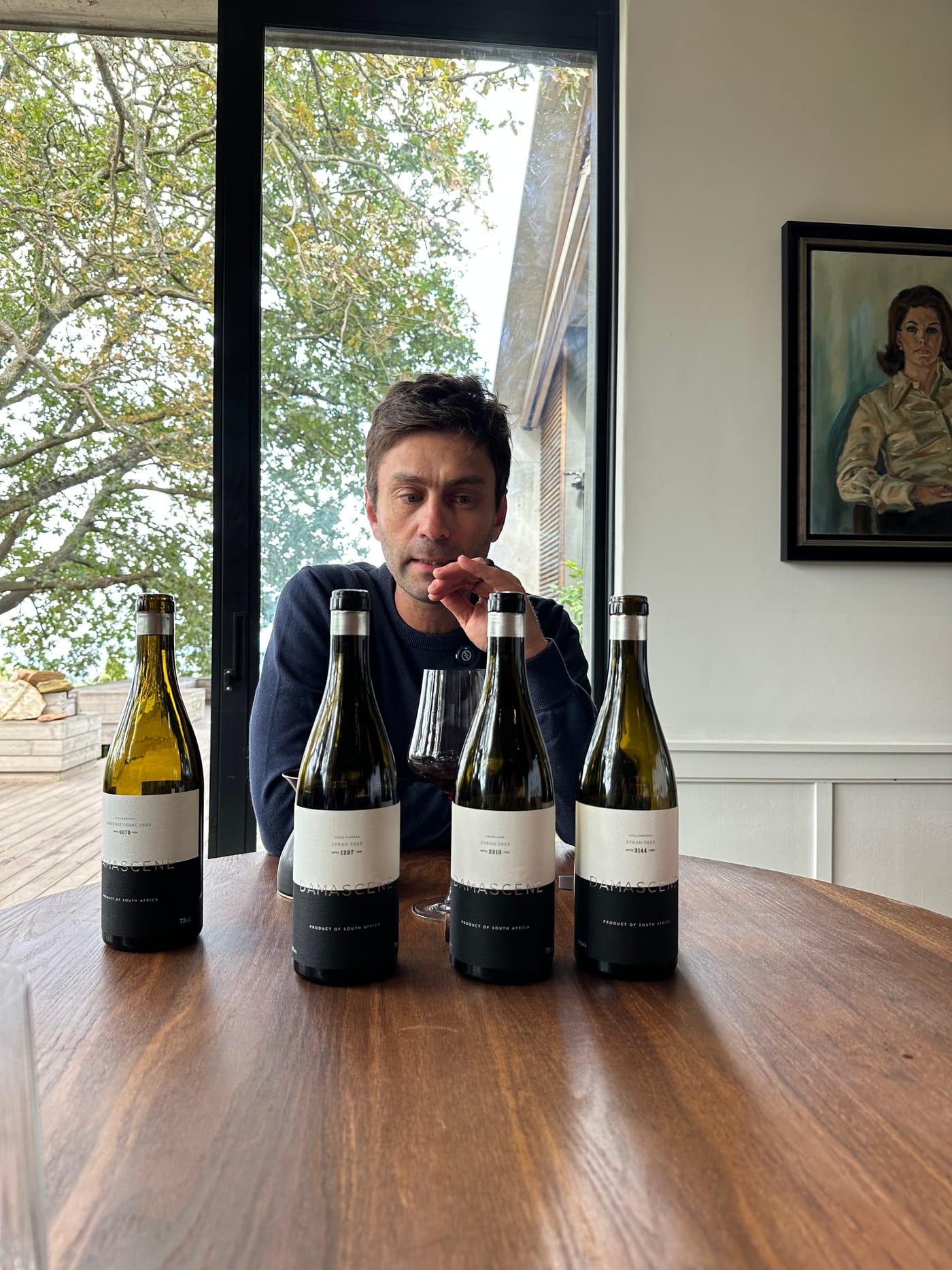
At Damascene, One Cellar Holds Many South Africas
At Damascene in Elgin, Jean Smit uses gentle cellar methods to preserve the differences among Franschhoek Sémillon, Stellenbosch Cabernet Franc, regional Syrah and Moya Meaker Riesling across South Africa’s Western Cape.
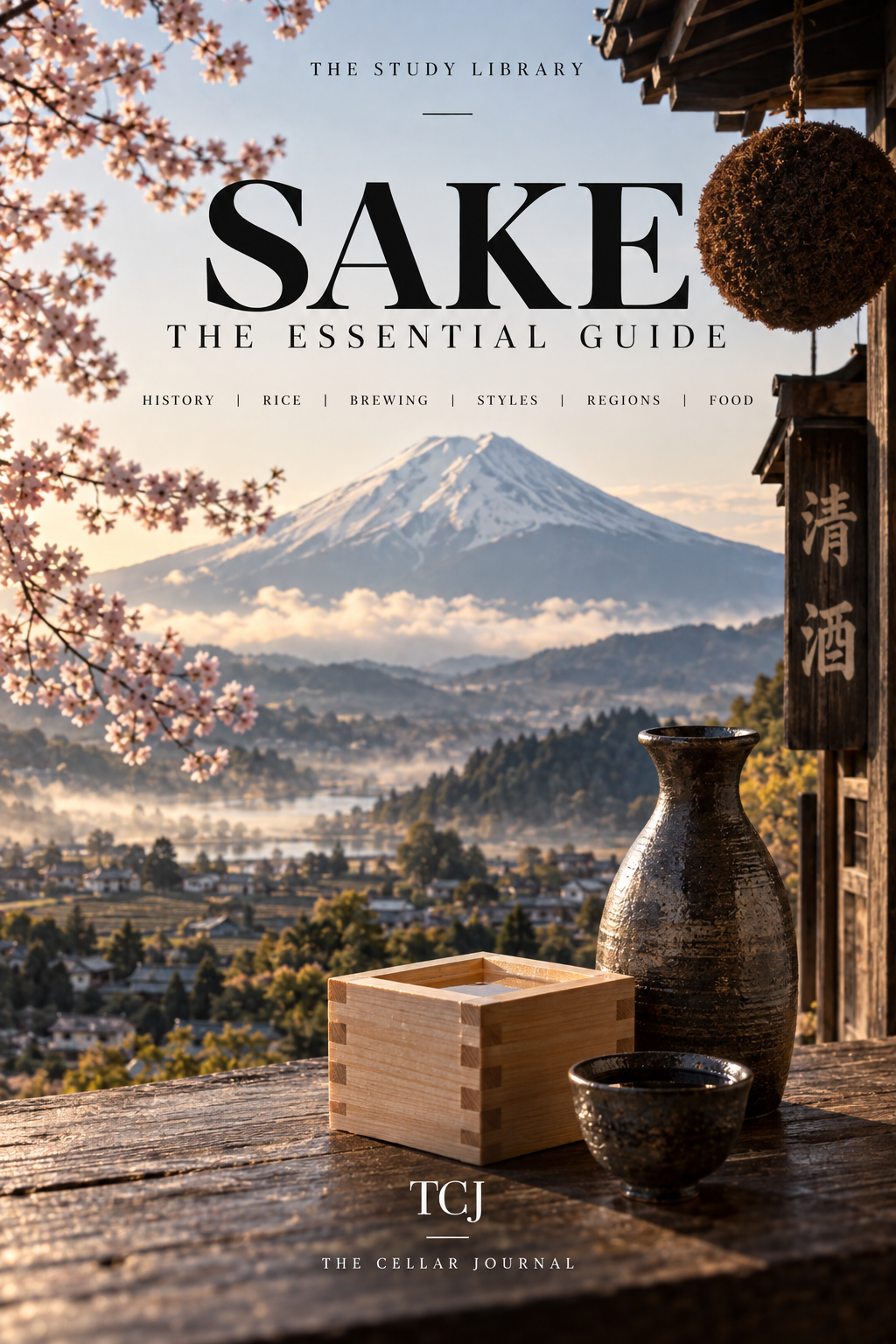
SAKE The Essential Guide
A complete introduction to sake, connecting rice, kōji, yeast, fermentation, classifications and service to explain how Japanese brewers transform a neutral grain into one of the world’s most technically complex beverages.

Thorvald Is Scaling in California Vineyards Before Full Autonomy
More than 100 Thorvald UV-C robots are expected to treat 2,600 acres of California vineyards in 2026. Research supports powdery mildew control, but cost, field reliability and a 1977 safety rule still limit full autonomy.