At Bodega Garzón, the Smallest Parcels Explain the Largest Project
Inside Bodega Garzón in Uruguay, monumental architecture, Atlantic vineyards, more than 1,000 plots, Petit Clos parcel wines and a complete Balasto vertical reveal how extraordinary scale can become precision.
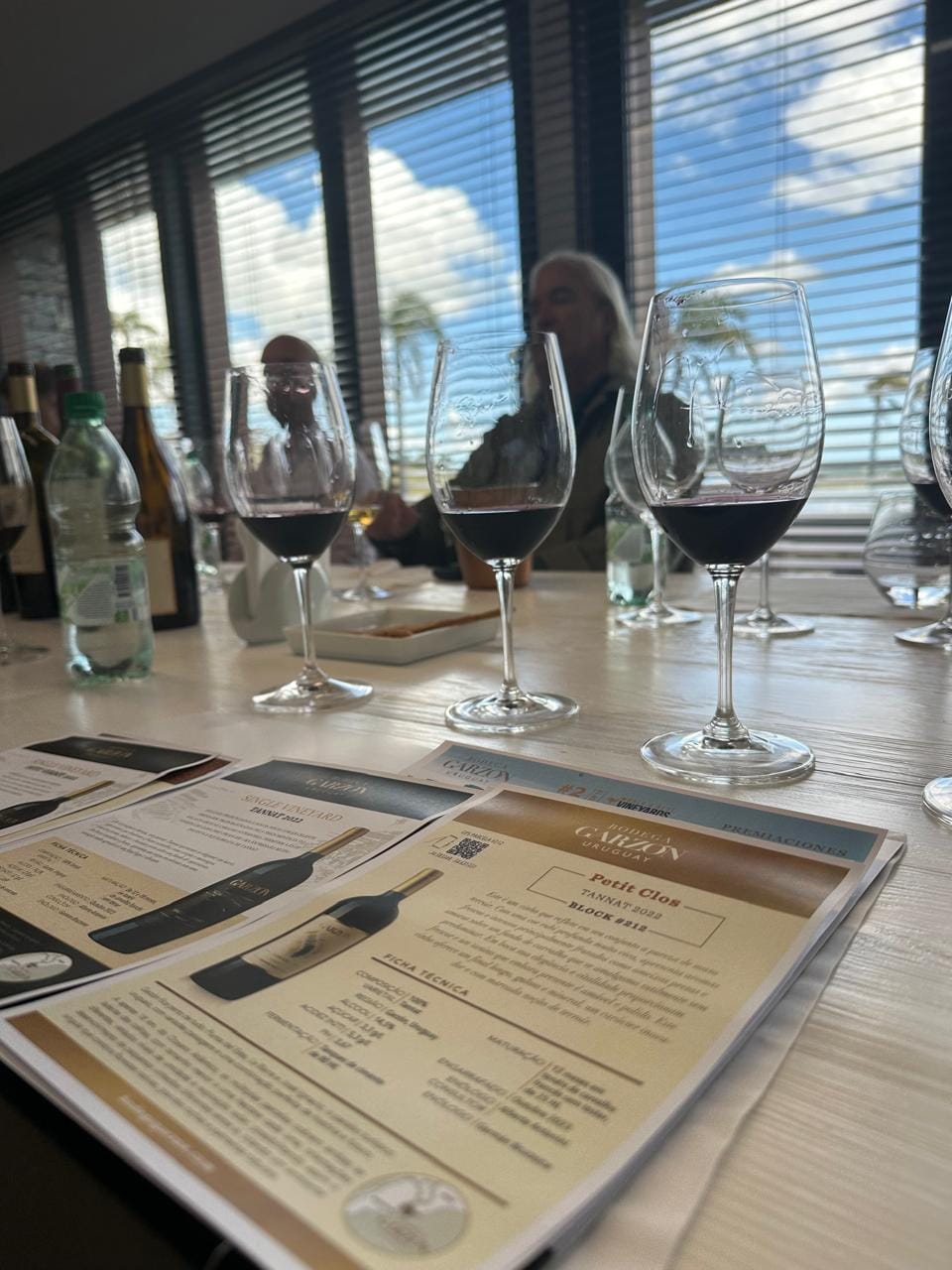
Bodega Garzón is a winery, restaurant, private club and destination built on an extraordinary scale. What gave the visit meaning was the estate’s determination to understand that vast property one vineyard, one plot and one block at a time.
By The Cellar Journal · Maldonado, Uruguay · 11 min read
Arrival
Bodega Garzón does not introduce itself quietly. The winery rises from the hills of Maldonado as an immense piece of concrete and glass, its production rooms opening across several levels, its tanks and sorting equipment arranged with the confidence of a project that was allowed to begin at full scale. Beyond the cellar are the restaurant, the private club and a championship golf course. The first impression is not simply of a winery. It is of an entire destination built around wine.
Luxury is impossible to ignore here, and it would be artificial to try. The architecture is monumental, the hospitality highly controlled, the dining room looks over vineyards and olive groves, and the resources behind the estate reach far beyond agriculture. Yet spectacle is not what made the visit persuasive. The project became more interesting as the scale became smaller: first from the property to the vineyard, then from the vineyard to more than a thousand plots, and finally from those plots to individual blocks bottled on their own.
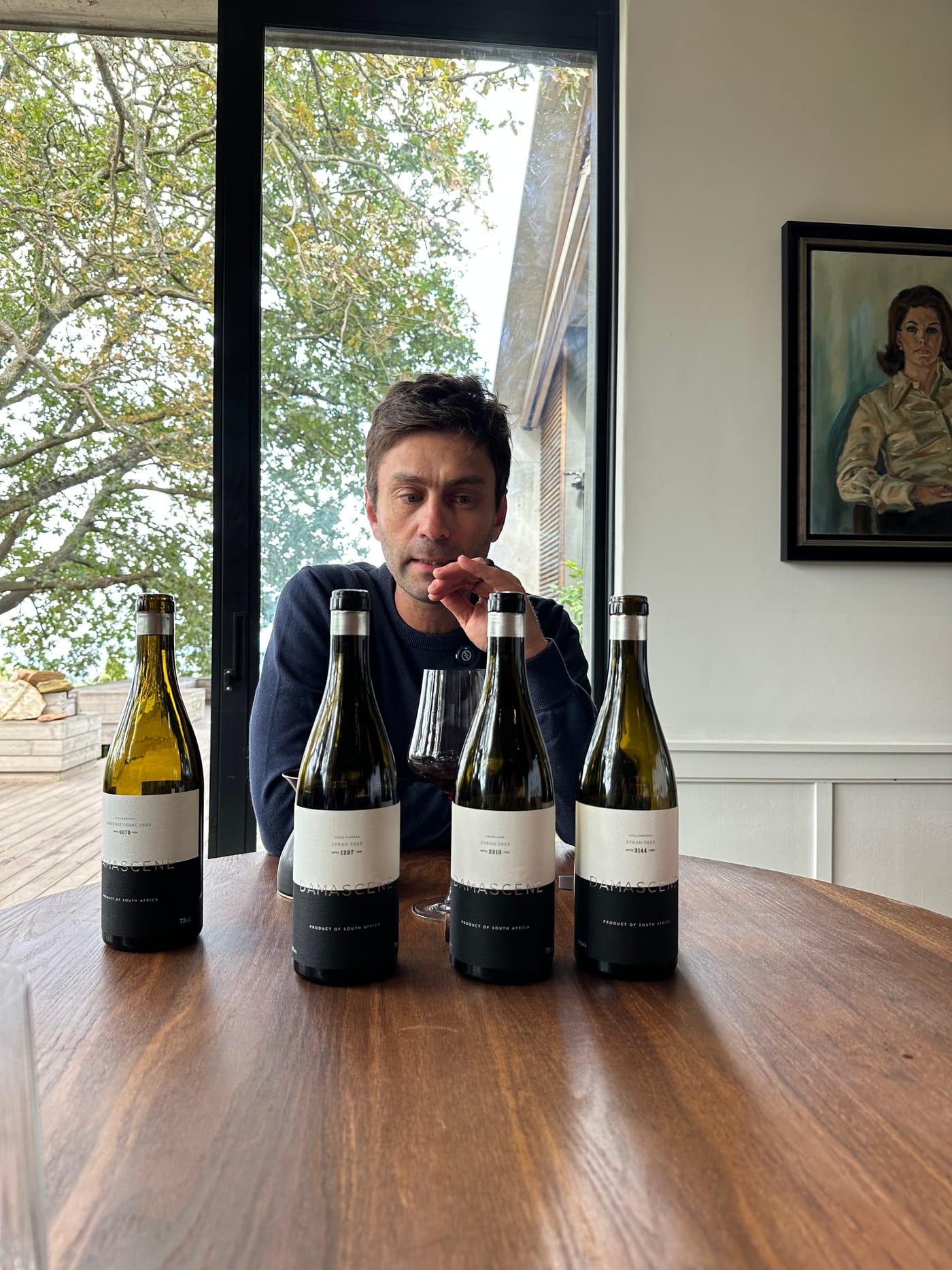
At Damascene, One Cellar Holds Many South Africas
At Damascene in Elgin, Jean Smit uses gentle cellar methods to preserve the differences among Franschhoek Sémillon, Stellenbosch Cabernet Franc, regional Syrah and Moya Meaker Riesling across South Africa’s Western Cape.
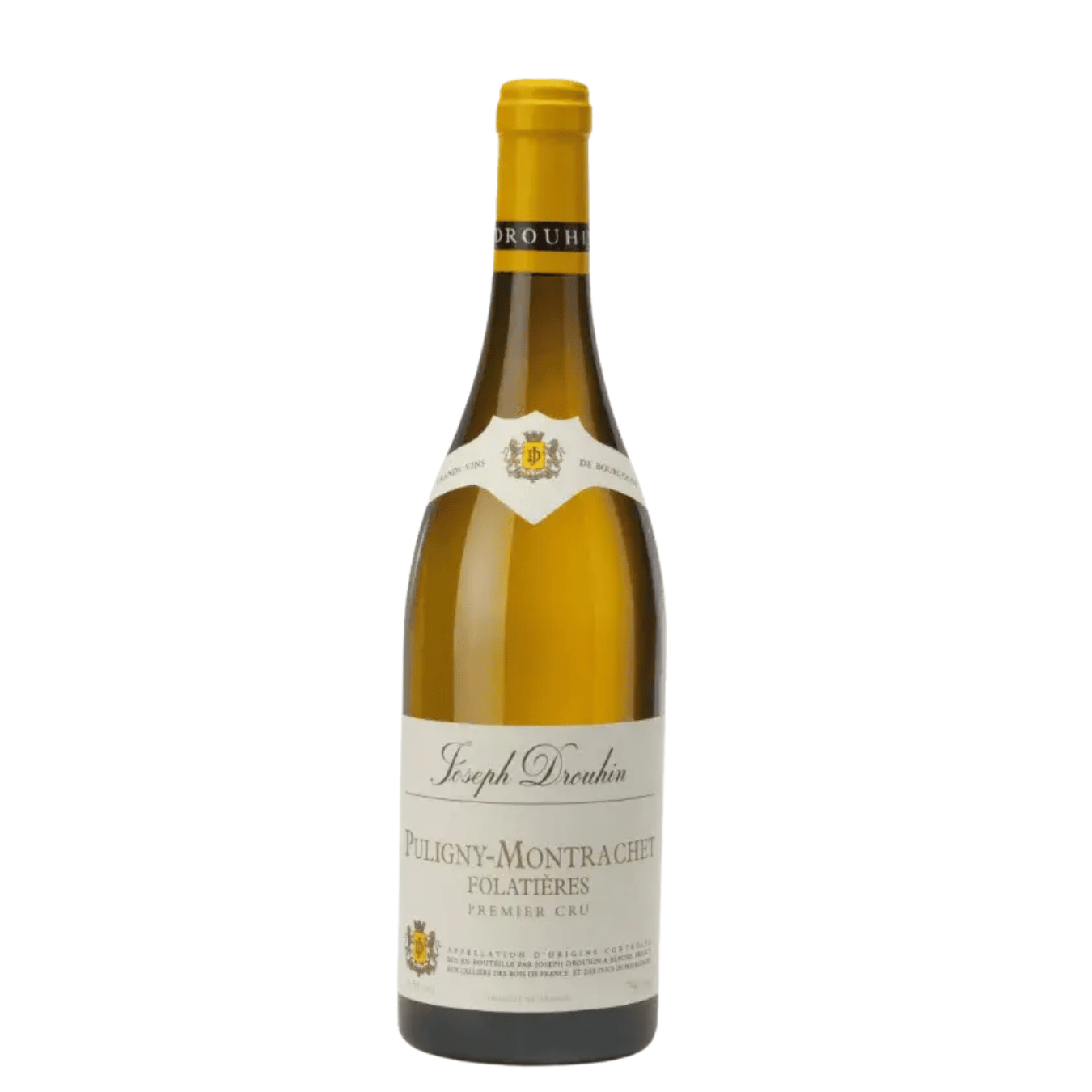
Joseph Drouhin Puligny-Montrachet 1er Cru Les Folatières 2022
Members Only — subscribe to read.
SAKE The Essential Guide
A complete introduction to sake, connecting rice, kōji, yeast, fermentation, classifications and service to explain how Japanese brewers transform a neutral grain into one of the world’s most technically complex beverages.