A New Beginning, Chosen Parcel by Parcel
Cascina Penna-Currado marks Luca Currado and Elena Penna’s new chapter in the Langhe after Vietti. From Serralunga d’Alba to Monforte and the Colli Tortonesi, the family is building a Piedmont estate around carefully chosen parcels, freshness and precise wines.
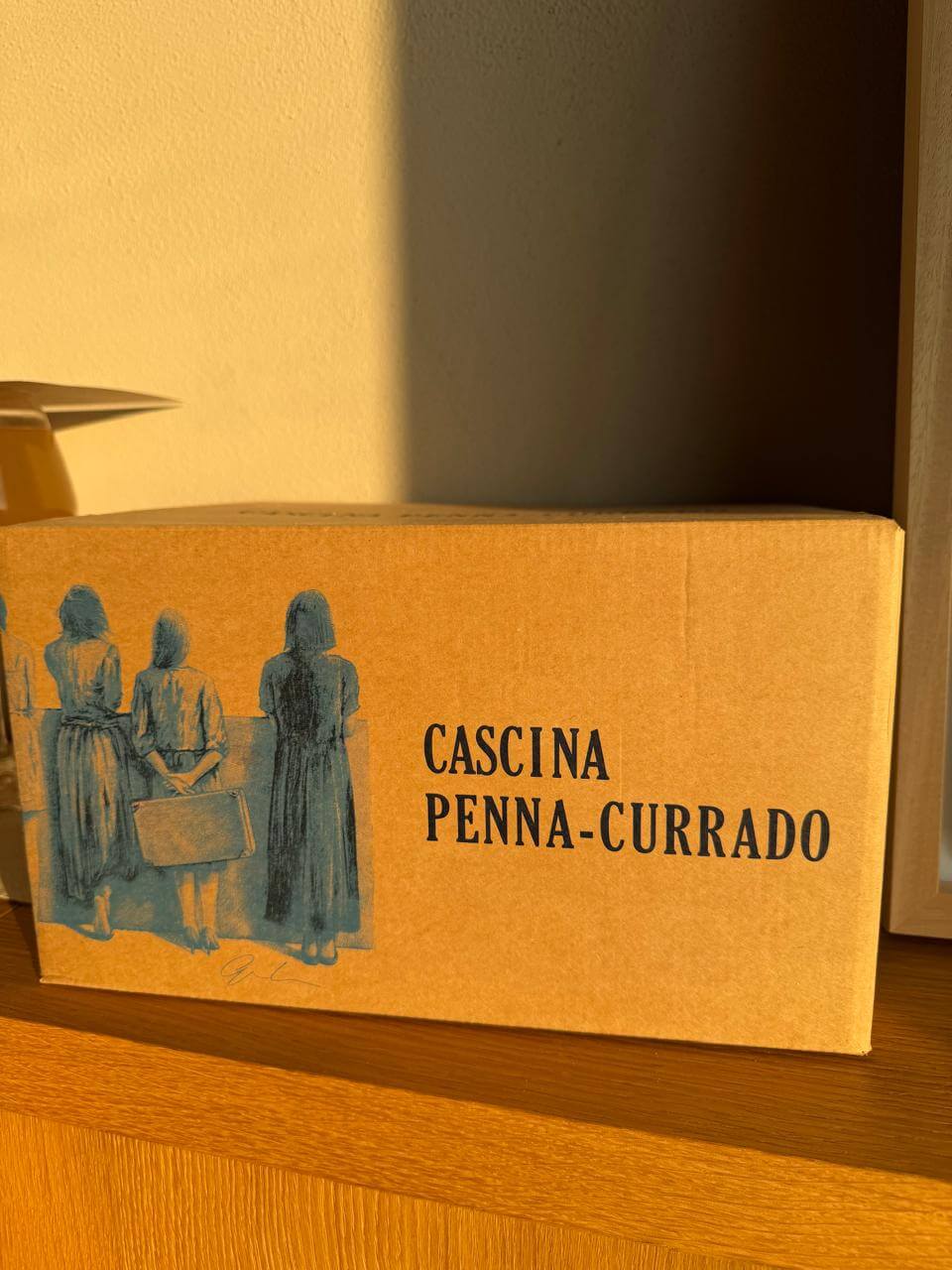
At Cascina Penna-Currado, Luca Currado and Elena Penna have turned decades of experience into something deliberately smaller: a family estate built around place, restraint and the difficult art of choosing what matters.
Arrival
There are places in the Langhe that announce themselves through a famous vineyard name. Cascina Penna-Currado begins differently. It occupies a ridge near Serralunga d’Alba, inside a farmhouse first recorded in 1554, with the hills of Barolo opening around it in every direction. The view provides scale, but the property itself asks for attention at closer range: old masonry preserved rather than disguised, working spaces restored for use, and a cellar arranged around the practical sequence from arriving fruit to ageing wine.
The care is visible before it needs explanation. This is not care as decoration, and not the polished theatre that sometimes separates a visitor from the agricultural reality of a winery. It is care as order: the feeling that each element has been considered because the people working here already know which details become consequential later. The building carries centuries of agricultural history, yet nothing about the project feels designed to live in the past.
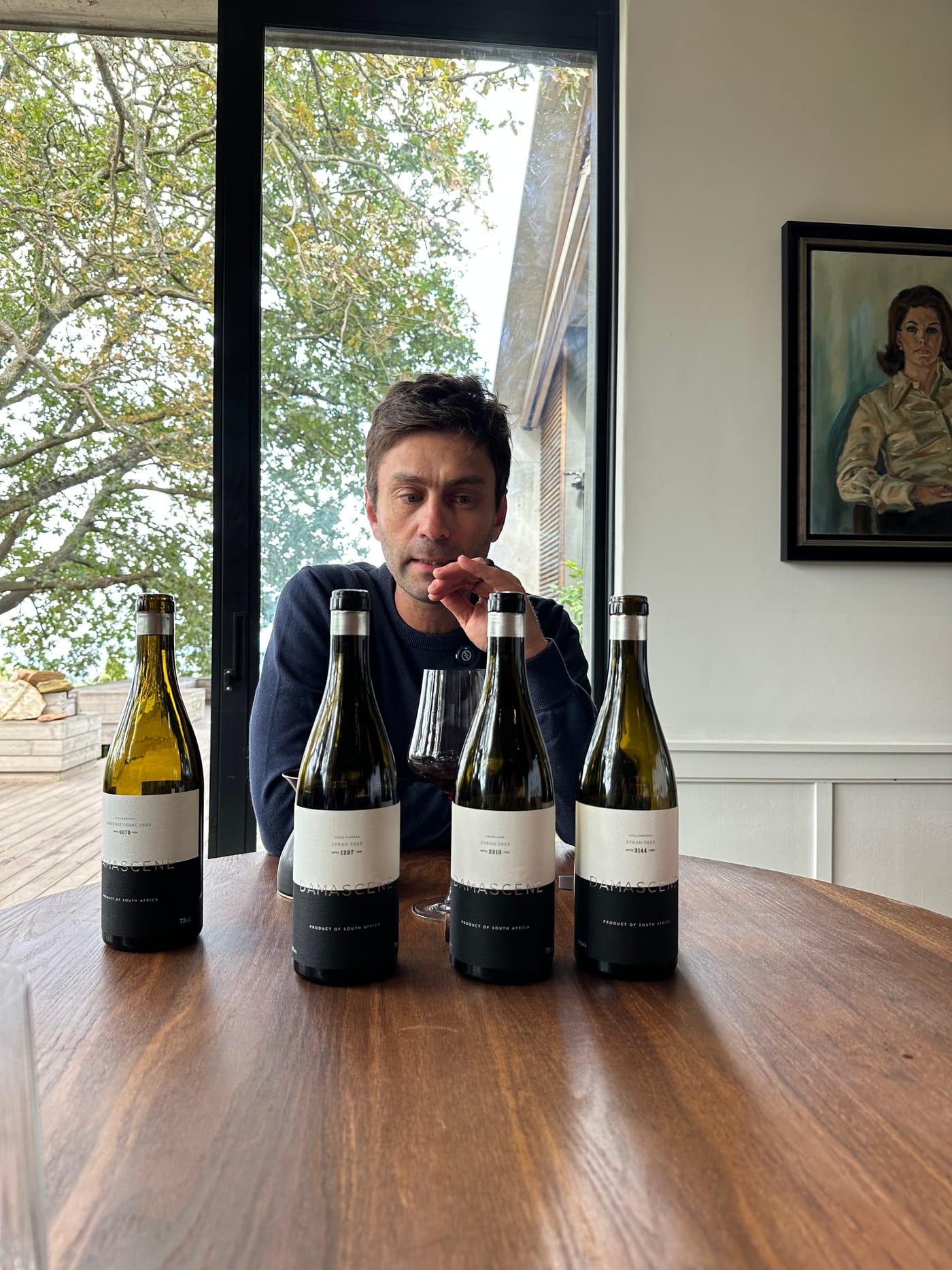
At Damascene, One Cellar Holds Many South Africas
At Damascene in Elgin, Jean Smit uses gentle cellar methods to preserve the differences among Franschhoek Sémillon, Stellenbosch Cabernet Franc, regional Syrah and Moya Meaker Riesling across South Africa’s Western Cape.

SAKE The Essential Guide
A complete introduction to sake, connecting rice, kōji, yeast, fermentation, classifications and service to explain how Japanese brewers transform a neutral grain into one of the world’s most technically complex beverages.

Thorvald Is Scaling in California Vineyards Before Full Autonomy
More than 100 Thorvald UV-C robots are expected to treat 2,600 acres of California vineyards in 2026. Research supports powdery mildew control, but cost, field reliability and a 1977 safety rule still limit full autonomy.